Kissing Bugs Disease Explained
Get a clear overview of kissing bugs disease with insights into how it spreads, early warning signs, and why awareness matters. This concise guide breaks down essential facts to help readers stay informed.

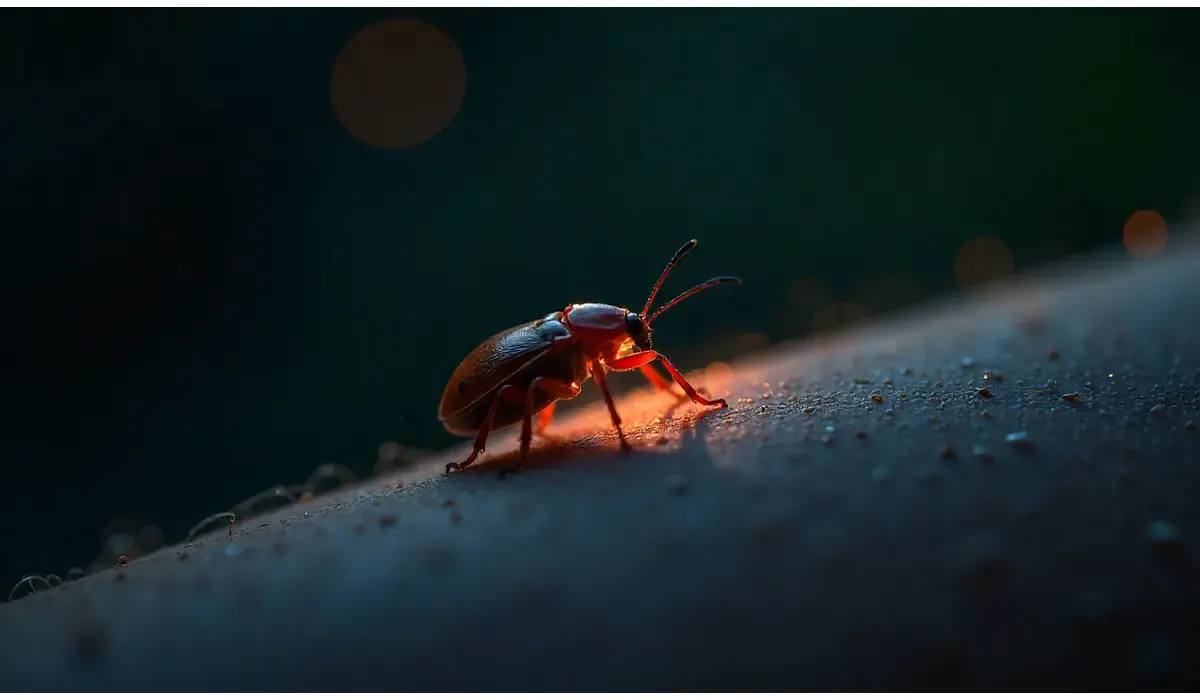
Introduction
Kissing bugs disease, also known as Chagas disease, affects millions across the Americas and is often called a “silent killer.”
- Spread by blood-sucking insects called kissing bugs.
- Can cause long-term heart and digestive problems if untreated.
- Prevention and early diagnosis are critical for survival.
What Is Kissing Bugs Disease?
Kissing bugs disease refers to Chagas disease, an infection caused by the parasite Trypanosoma cruzi. It is spread mainly through the bite of triatomine insects, commonly called kissing bugs. These bugs feed on human blood, usually at night, leaving behind parasites that can enter the body.
Key Facts About Kissing Bugs Disease
- Cause: The parasite Trypanosoma cruzi.
- Transmission: Mostly by kissing bugs, but also via blood transfusion, organ transplant, or mother-to-child.
- Regions: Endemic in Latin America but increasingly detected in the U.S. and Europe.
- Phases: Acute (mild, short-term) and chronic (long-term, possibly fatal).
- Symptoms: Fever, fatigue, swelling, digestive issues, heart problems
Why Kissing Bugs Disease Matters
Chagas disease is considered one of the world’s most neglected tropical diseases (NTDs). The WHO estimates over 6 million people are currently infected, but most are unaware.
- Public health impact: Chronic infections can lead to heart failure and sudden death.
- Social impact: Many patients face stigma due to the disease’s association with poverty.
- Economic impact: Loss of productivity from long-term illness.

Symptoms and Stages
Acute Phase
- Fever, fatigue, rash.
- Swelling near the bite site (often the face).
- Enlarged lymph nodes.
- May last weeks to months.
Chronic Phase
- Irregular heartbeat.
- Enlarged heart, risk of sudden cardiac arrest.
- Digestive issues like enlarged esophagus or colon.
- May appear years after initial infection.
Diagnosis and Treatment
- Diagnosis: Blood tests to detect T. cruzi. In chronic cases, imaging may be needed to check organ damage.
- Treatment: Two medications, benznidazole and nifurtimox, are effective—especially if given early.
- Limitations: Chronic disease is harder to cure, but treatment can slow progression.
Prevention Strategies
- Insect control: Using insecticides and improved housing.
- Screening: Blood donations and organ transplants should be tested.
- Awareness: Educating communities in affected regions.
- Travel precautions: Avoid sleeping in mud or poorly constructed housing in rural Latin America.

Practical Takeaways
- If you live or travel in areas with kissing bugs, use bed nets and insect repellent.
- Get tested if exposed, especially after long stays in Latin America.
- Seek medical care immediately if you experience unexplained fever, fatigue, or swelling after possible exposure.
- Early detection saves lives—treatment works best in the first phase.
FAQs
What is kissing bugs disease?
Kissing bugs disease is another name for Chagas disease, caused by the parasite Trypanosoma cruzi.
How do kissing bugs spread disease?
They bite humans and defecate near the wound, allowing parasites to enter through the skin or mucous membranes.
Can kissing bugs disease be cured?
Yes, early treatment with benznidazole or nifurtimox can cure the disease, especially in the acute stage.
Is kissing bugs disease found in the U.S.?
Yes, kissing bugs are present in southern U.S. states, though most infections occur in Latin America.
Key Takeaways
- Kissing bugs disease (Chagas) is caused by the parasite Trypanosoma cruzi.
- Millions are infected worldwide, often without knowing it.
- Symptoms include fever, swelling, and long-term heart or digestive issues.
- Treatment is most effective during the acute stage.
- Preventive steps include insect control, screening, and awareness.
Conclusion
Kissing bugs disease remains a serious but preventable illness. With awareness, early testing, and timely treatment, many lives can be saved. If you suspect exposure, consult a healthcare provider immediately. For related concerns about insect-borne illnesses, see Can Lyme Disease Kill You? to understand the risks, symptoms, and prevention of Lyme disease.
What’s your take on kissing bugs disease? Share your thoughts below.