Did Trump Cross the Line on Kashmir Issue? | Explained
Explore the Trump Kashmir controversy—Did Trump overstep in his comments on Kashmir mediation? Understand the facts, reactions, and what it means for global diplomacy.

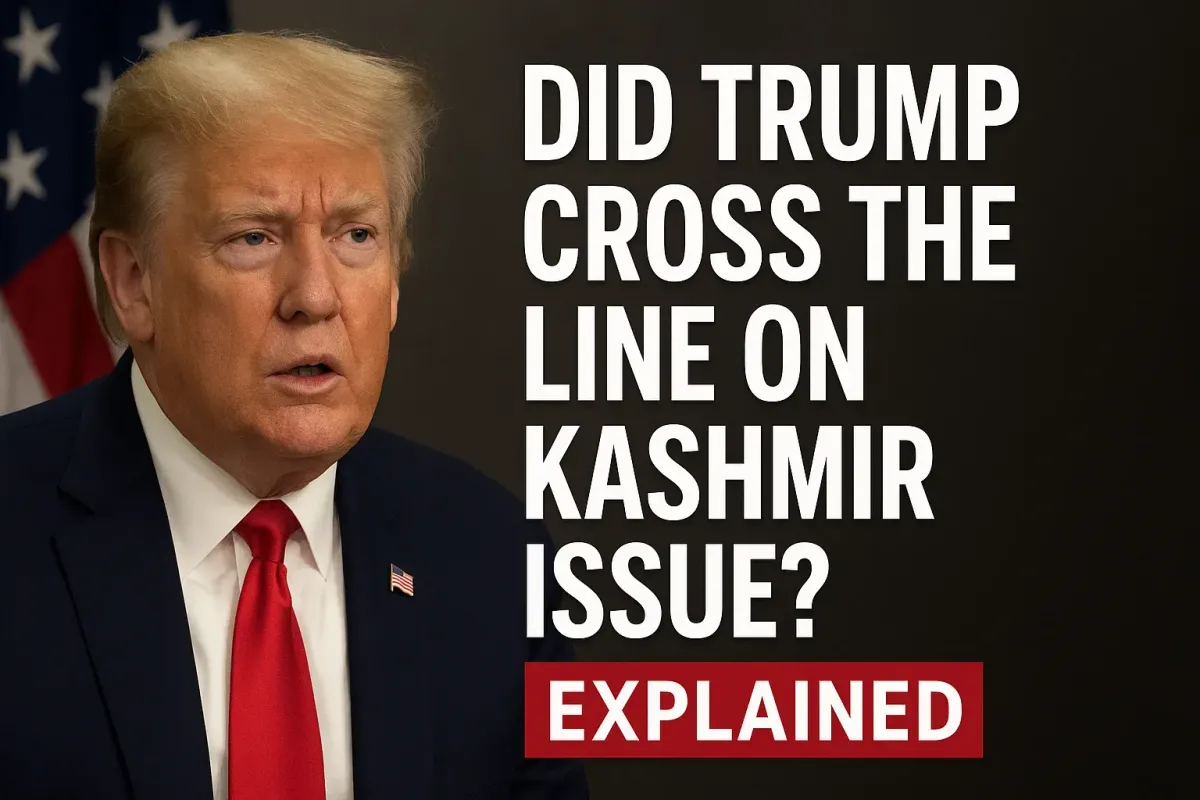
“If I can help mediate, I would love to be a mediator,” said Donald Trump in July 2019, sparking immediate headlines and political ripples across South Asia. His comments about offering to mediate the long-standing Kashmir Issue dispute between India and Pakistan touched a nerve — not only diplomatically but also emotionally for millions.
Why did this statement draw such global attention? And did Trump really cross a diplomatic line? This article explores the Trump Kashmir controversy in detail — offering context, viewpoints, and facts that matter to readers worldwide, especially those in the U.S., India, and Pakistan.
What is the Trump Kashmir Controversy?
The Trump Kashmir Issue controversy refers to former U.S. President Donald Trump’s unexpected claim during a joint press conference with Pakistan’s Prime Minister Imran Khan in 2019. Trump said Indian Prime Minister Narendra Modi had asked him to mediate the Kashmir dispute — a statement India immediately denied.
For a region already sensitive to international commentary, Trump’s remarks stirred debate on diplomatic protocol, international involvement, and misinformation.

$500 Walmart Gift Card
Not everyone qualifies for this $500 Walmart gift card. Checking only takes a moment. You can check if you’re eligible.
What is the Kashmir Issue?
Kashmir is a Himalayan region claimed by both India and Pakistan since 1947. The area has sparked three wars and countless skirmishes. India controls Jammu and Kashmir Issue, while Pakistan administers parts known as Azad Kashmir and Gilgit-Baltistan.
This territorial disagreement has become a symbol of national pride for both countries — and a humanitarian concern for the international community.
What Did Trump Actually Say?
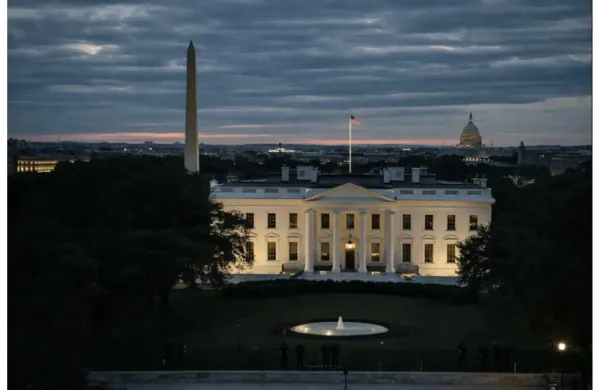
During a White House press conference on July 22, 2019, Trump said:
“I was with Prime Minister Modi two weeks ago, and we talked about this subject. He actually said, ‘Would you like to be a mediator or arbitrator?’ I said, ‘Where?’ He said, ‘Kashmir Issue.’”
This statement was shocking because India has consistently rejected third-party mediation on Kashmir, seeing it as a bilateral issue.
India’s Immediate Response
India’s Ministry of External Affairs issued a swift and firm denial, stating:
“No such request has been made by Prime Minister Modi. It has been India’s consistent position that all outstanding issues with Pakistan are discussed only bilaterally.”
This created diplomatic tension and made headlines across all major global media outlets.
Why Were Trump’s Comments Problematic?
Trump’s comments raised eyebrows for several reasons:
- Lack of verification: No record or statement from Modi’s side supported the claim.
- Violation of diplomatic norms: It is rare for a U.S. President to comment unilaterally on such a sensitive issue without formal backing.
- Potential regional fallout: Inflammatory remarks on Kashmir risk triggering unrest in a volatile region.
Historical U.S. Position on Kashmir
The United States has traditionally maintained a neutral stance on Kashmir, supporting bilateral talks between India and Pakistan. Trump’s deviation from this policy confused analysts and diplomats alike.
Global Reactions to Trump’s Remarks
- Pakistan welcomed the offer and saw it as a diplomatic win.
- India firmly rejected any mediation, emphasizing sovereignty.
- U.S. Congress members and the State Department later clarified that America’s policy had not changed.
Was It a Diplomatic Blunder or Strategic Play?
Some experts argue Trump may have been improvising, not realizing the impact. Others believe it could have been a strategic move to engage more deeply in South Asia amid growing U.S.-China tensions.
Could Trump’s Statement Have Escalated Tensions?
Yes. Within India, many saw the remark as a threat to national integrity. In Pakistan, it fueled expectations. Such mismatched signals can intensify cross-border tensions and domestic unrest.
Lessons Learned from the Trump Kashmir Controversy
- Words matter in global diplomacy.
- Misinformation or unverified claims can harm international relationships.
- Understanding regional sensitivities is crucial for any global leader.

$500 PayPal Gift Card
Not everyone qualifies for this $500 PayPal gift card. Checking only takes a moment. You can check if you’re eligible.
Trump Kashmir Controversy – Frequently Asked Questions
What is the Trump Kashmir controversy?
It refers to Donald Trump’s 2019 claim that PM Modi asked him to mediate on the Kashmir issue — a statement India strongly denied.
Did PM Modi ask Trump to mediate on Kashmir?
No. India officially denied making such a request, reiterating that Kashmir Issue is a bilateral matter with Pakistan.
Why is third-party mediation in Kashmir controversial?
India views Kashmir Issue as a sovereign issue and believes that any negotiation should be between India and Pakistan only.
How did Pakistan respond to Trump’s statement?
Pakistan welcomed the idea of U.S. mediation, considering it a potential breakthrough for diplomatic talks.
What is the current U.S. policy on Kashmir?
The U.S. supports bilateral discussions and does not take a position on Kashmir’s territorial status
Conclusion: The Power and Responsibility of Words
The Trump Kashmir Issue controversy reminds us how even a few words can shift global conversations and strain diplomatic ties. Whether it was a slip or a strategy, Trump’s comment touched a raw nerve in international politics.
For global citizens — especially those in the USA, India, or Pakistan — it’s a case study in understanding why foreign policy requires clarity, caution, and context.
You May Also Like
- Did Trump Really End India-Pakistan Hostilities
- United Nations in Global Politics
- The Rise and Fall of Empires
- Power of Political Protests
- Politics of Climate Change
- The History and Evolution of Political Campaigning:
- Populism in Politics
- The Role of Women in Politics
- Globalization Change Politics
- Understanding Federalism
- Bangladeshi Migrant Workers in Malaysia Seek Unpaid Wages