10 Smart and Legal Ways to Find Part-Time Jobs in USA for Indian Students — Without Risking Your Visa or Grades

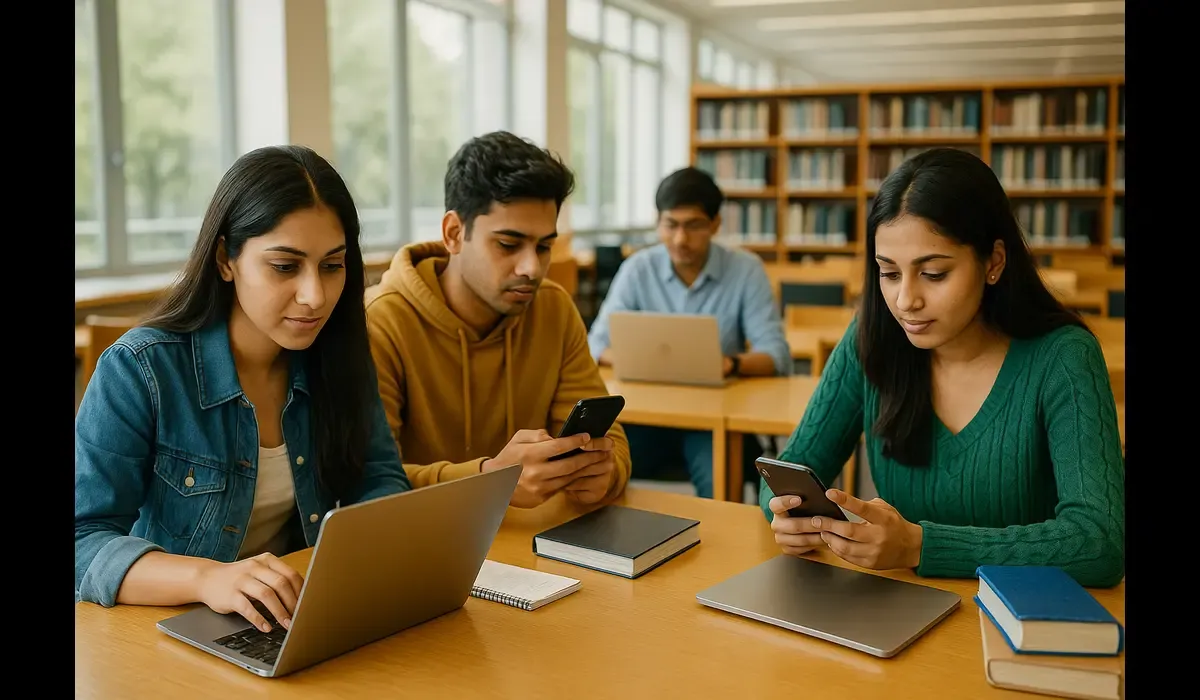
Finding part-time jobs in USA as an Indian student is one of the smartest ways to manage expenses, gain practical exposure, and build a professional network while studying abroad.
With the cost of living and tuition fees rising across U.S. universities, many Indian students look for flexible work opportunities that align with their F-1 visa regulations.
According to the 2025 Open Doors Report, over 250,000 Indian students are currently enrolled in U.S. universities — the highest ever — and almost 70% of them engage in part-time employment during their academic years. However, many fail to understand the legal and practical aspects of on-campus work, internships, and Optional Practical Training (OPT).
- Indian students can work up to 20 hours/week on-campus during semesters.
- Always verify visa eligibility before applying for any job.
- Use university career portals, networking, and faculty connections to find openings.
- Never accept unauthorized off-campus work, which can risk visa cancellation.
What Are Part-Time Jobs in USA for Indian Students?
A part-time job in the USA refers to any employment where a student works fewer than 20 hours per week during academic terms or up to 40 hours during breaks.
Under the F-1 Indian student visa, you can only work:
- On-Campus: Directly within university departments or affiliated facilities.
- Authorized Off-Campus: Under specific programs like CPT (Curricular Practical Training) or OPT (Optional Practical Training) after approval.
Why Finding Part-Time Jobs in the USA Matters
Balancing work and study helps Indian students develop life skills beyond academics. It also builds a strong resume for post-graduation employment.
Benefits
- Financial Relief: Earn $1,000–$1,500 monthly to offset living costs.
- Professional Exposure: Gain U.S. work culture experience early.
- Networking: Build relationships that support future internships.
- Confidence: Adapt to new systems, accents, and professional expectations.
Working part-time isn’t just about money — it’s about developing self-discipline, independence, and cross-cultural skills.
Where Can Indian Students Find Part-Time Jobs in the USA?
1. University Campus Jobs
Most international Indian student start here because it’s visa-safe and easily accessible.
Common roles include:
- Library assistant
- Teaching or research assistant
- IT support staff
- Campus café or bookstore clerk
- Student ambassador
Average Pay: $12–$18/hour
2. Academic Department Positions
Professors often hire Indian student for grading papers, managing research data, or administrative help. These jobs enhance subject-specific experience and provide strong references.
3. Internships through CPT (Curricular Practical Training)
CPT allows Indian students to work off-campus if the job is related to their field of study.
- Must complete one academic year before applying.
- CPT requires approval from your Designated School Official (DSO).
Example:
A computer science student interning at Amazon under CPT for 10 weeks.
4. OPT (Optional Practical Training)
OPT is available after graduation (or during, in some cases).
- 12-month employment permit, extendable to 24 months for STEM graduates.
- Allows full-time work in your area of study.
- Excellent stepping stone for U.S. career opportunities.
5. Work-Study Programs
Some universities offer federal or institutional work-study options that connect financial aid with on-campus jobs. While international students may not qualify for federal funds, they can apply for institutional work-study if permitted.
6. Freelance or Remote Work (Caution)
Freelancing or gig work like online tutoring is not permitted under F-1 unless it’s through an authorized on-campus or CPT framework. Unauthorized freelance work can lead to serious visa violations.
How to Find Part-Time Jobs in the USA — Step-by-Step
Step 1: Use University Job Portals
Every U.S. university maintains a career portal for students. Examples include Handshake, Symplicity, or internal systems where you can search for “on-campus” jobs.
Step 2: Visit Career Services
Meet your Career Development Office. They offer resume workshops, mock interviews, and help you match openings to your profile.
Step 3: Attend Career Fairs
Universities organize semesterly job fairs featuring campus employers, startups, and research departments. Attend early to network with hiring managers.
Step 4: Network Actively
Build professional relationships with professors, student clubs, and alumni.
“Most campus jobs come from word-of-mouth recommendations rather than public listings.”
Step 5: Check Department Bulletin Boards
Many departments post part-time opportunities on internal boards or email lists.
Step 6: Apply Early
Apply at least 1–2 months before each semester begins. Competition intensifies during mid-terms.
What Kind of Part-Time Jobs Are Best for Indian Students?
| Job Type | Category | Avg Pay ($/hr) | Visa Safe? |
|---|---|---|---|
| Library Assistant | On-Campus | 13–17 | ✅ Yes |
| Teaching Assistant | Academic | 15–22 | ✅ Yes |
| Research Assistant | Academic | 16–25 | ✅ Yes |
| Food Court Worker | Campus Café | 12–15 | ✅ Yes |
| Resident Advisor | Housing | 14–18 | ✅ Yes |
| Data Entry Assistant | Departmental | 13–17 | ✅ Yes |
| Tutoring (in-person) | Academic | 15–20 | ✅ Yes |
| Freelance (Off-Campus) | Remote | 20+ | ❌ No (Unauthorized) |
What Mistakes Should Indian Students Avoid While Searching for Part-Time Jobs?
1. Ignoring Visa Regulations

Never work off-campus without prior authorization. F-1 violations can result in deportation or visa bans.
2. Prioritizing Work Over Academics
Working excessive hours often impacts GPA and study performance — which can affect future OPT eligibility.
3. Missing Application Deadlines
On-campus positions fill up quickly. Always apply before orientation week.
4. Failing to Build a U.S.-Style Resume
Indian CVs differ from U.S. resumes. Keep it one page, action-oriented, and results-driven.
5. Not Consulting the DSO
Before accepting any job, confirm visa compliance with your Designated School Official (DSO).
Expert Views and Case Studies
Case Study 1 — Priya Sharma, Northeastern University (Boston):
“My on-campus role as a research assistant taught me project management before my actual internship. It also helped me secure CPT approval easily.”
Case Study 2 — Arjun Patel, University of Texas:
“Networking was key. I got my campus job through a senior who referred me. Staying proactive makes all the difference.”
Expert Comment:
“International students should focus on compliant, skill-oriented jobs early on. The right part-time work can shape your U.S. career trajectory.”
— Dr. Linda Evans, Career Advisor, EducationUSA

FAQs
Q1. How can Indian students find part-time jobs in USA?
Use university portals, attend career fairs, and connect with professors for on-campus opportunities. Always confirm work authorization before accepting.
Q2. Can Indian students work off-campus in the USA?
Only through CPT or OPT authorization. Unauthorized off-campus work is illegal under F-1 rules.
Q3. How much can Indian students earn from part-time jobs?
Most earn between $12–$20/hour, depending on the role and location.
Q4. Do all U.S. universities offer campus jobs?
Yes, most medium to large universities provide on-campus positions for international students.
Q5. Can I apply for online freelance work?
Not unless authorized through CPT or OPT. Unauthorized work can terminate your visa.
Key Takeaways
- Finding part-time jobs in USA as an Indian student is achievable through legal and structured channels.
- Focus on on-campus or authorized work only.
- Build networking and resume skills early.
- Avoid visa violations at all costs.
- Remember, smart planning equals a stronger academic and professional foundation.
Conclusion
In conclusion, understanding how to find part-time jobs in USA as an Indian student involves patience, strategy, and compliance.
Working on-campus or through approved CPT/OPT programs helps you gain experience, financial stability, and industry insight — all while maintaining your visa status.