Iran Under Pressure: Internal Unrest, External Threats, and a System Under Strain
Iran is facing its most serious challenge since 1979 as economic anger fuels protests while US pressure and nuclear tensions grow. Talks may ease external stress, but deep internal unrest keeps the country’s future uncertain.

Iran Faces Its Biggest Challenge Since the 1979 Islamic Revolution
Since the 1979 Islamic Revolution, Iran’s ruling system is facing its most serious challenge to date. This is not just internal unrest; it is also accompanied by a significant external threat.
Trump’s Military Warnings and the Shadow of the Iran–Israel War
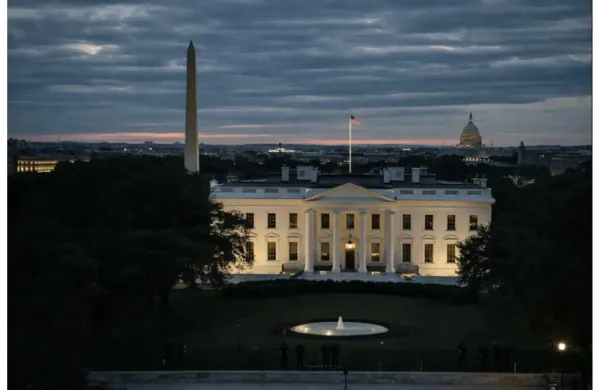
US President Donald Trump has been repeatedly warning of military action, and these warnings have come roughly seven months after the twelve-day war between Iran and Israel. During that conflict, the United States carried out strikes on key Iranian nuclear facilities, which weakened the Iranian regime’s grip on power.
Trump now claims that Iran has reached out again to resume talks. However, the central question remains whether negotiations can cool the deep anger building inside the country.

$750 Cash App Gift Card
Not everyone qualifies for this $750 Cash App gift card. Checking only takes a moment. You can check if you’re eligible.
Will negotiations cool the anger that is burning within Iran?
Dialogue alone is unlikely to fully extinguish this internal unrest, and it is also clear that Iran will not easily bow to the United States. Among Washington’s key demands is zero nuclear enrichment, which is regarded as a major red line in the strategic thinking of Iran’s religious leadership. No matter how intense the current pressure becomes, there are no signs that Iran’s leaders are ready to change their core policies.
Expert View: Repression as the Regime’s Default Strategy
Vali Nasr, a professor at the Johns Hopkins School of Advanced International Studies and author of Iran Grand Strategy, says
The regime has historically relied on strict repression to survive difficult phases. According to him, even if the current protests are suppressed, Iran has very limited options to improve the everyday lives of its people given sanctions, US pressure, and regional tensions.
The question now is whether Iran and the wider region will once again be pushed into a phase of military conflict, or whether brute force will be used to completely crush these protests, as has happened in the past.
Iran’s Foreign Minister Abbas Araghchi told diplomats in Tehran that the situation is now fully under control. The Iranian government is directly blaming foreign enemies—namely Israel and the United States—for this internal unrest.
These accusations have gained greater traction this time because, during last year’s twelve-day war, the deep infiltration of Israel’s intelligence agency Mossad became clearly visible.
How the Protests Began and Why They Spread
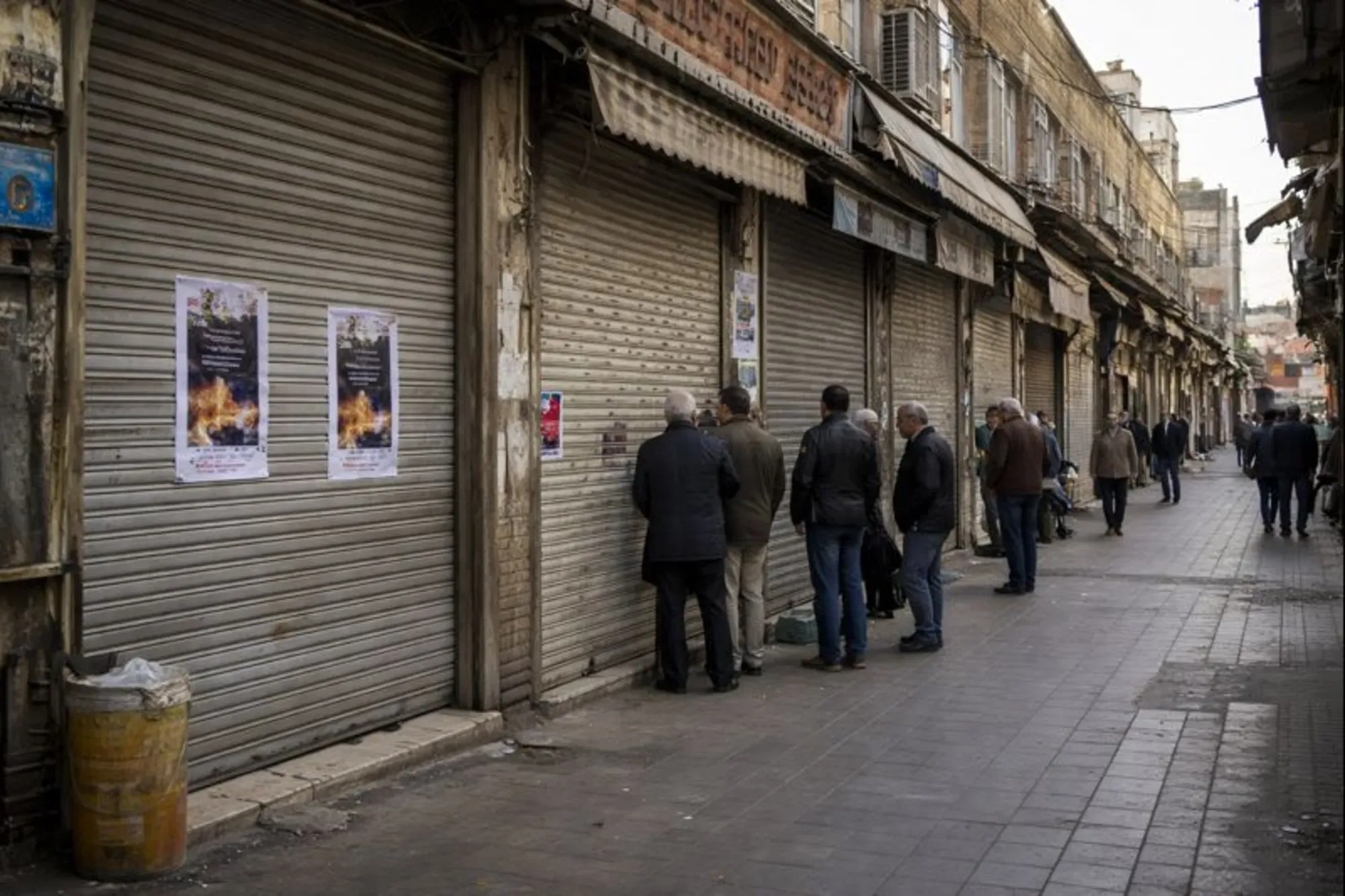
With every new wave of protests in Iran, the same questions arise again: how far have these protests spread, how broad are they, and who exactly is taking to the streets and public squares? The most important question is how the authorities will respond this time.
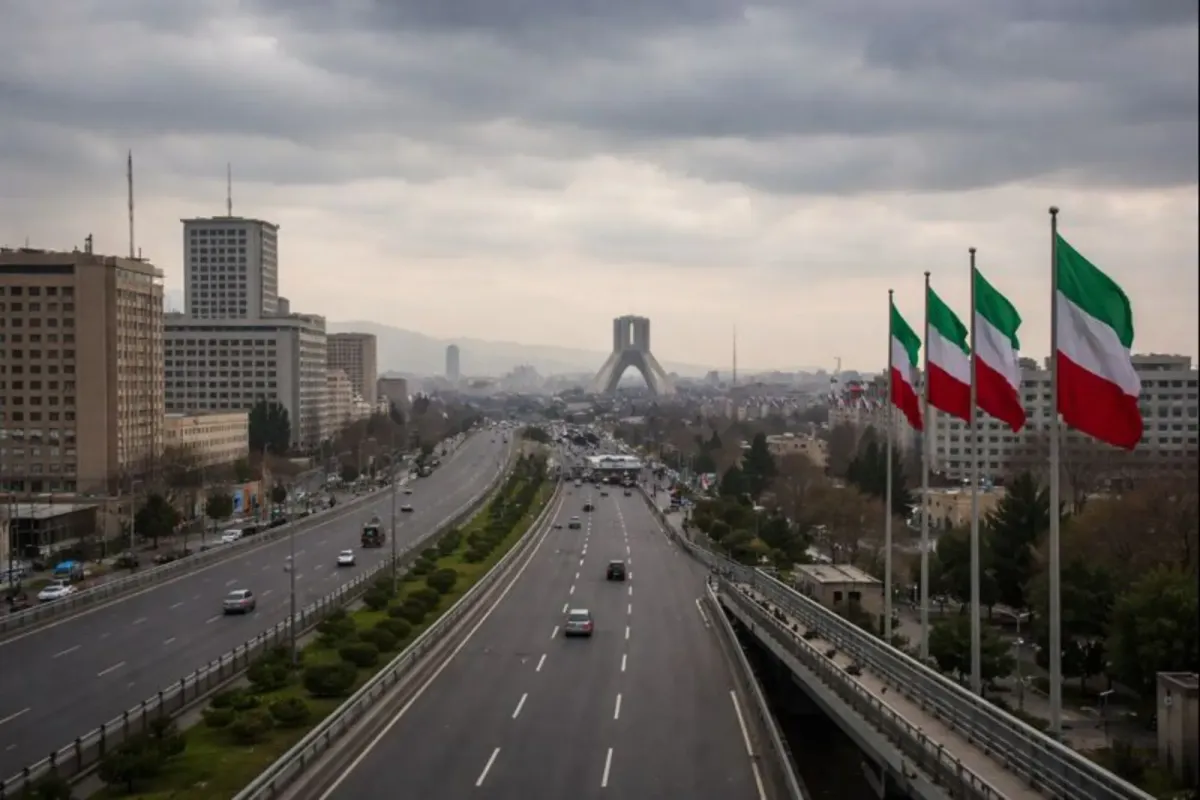
This latest wave of protests is different in many ways, and its beginning was remarkably ordinary. On December 28, in Tehran, traders selling electronic goods were shaken by the sharp fall of the Iranian currency. They shut their shops, went on strike, and appealed to other market traders to join them.
The government’s initial response was swift and conciliatory. The president promised talks and accepted what he called legitimate demands. To reduce the pressure of inflation, the government announced that every citizen would receive a new monthly assistance payment of around seven dollars directly into their bank accounts.
But the situation did not improve. Prices continued to rise, and the wave of discontent kept spreading. Within less than three weeks, Iranians began marching in many parts of the country. No easy solution emerged.
A System Under Strain but Still Holding
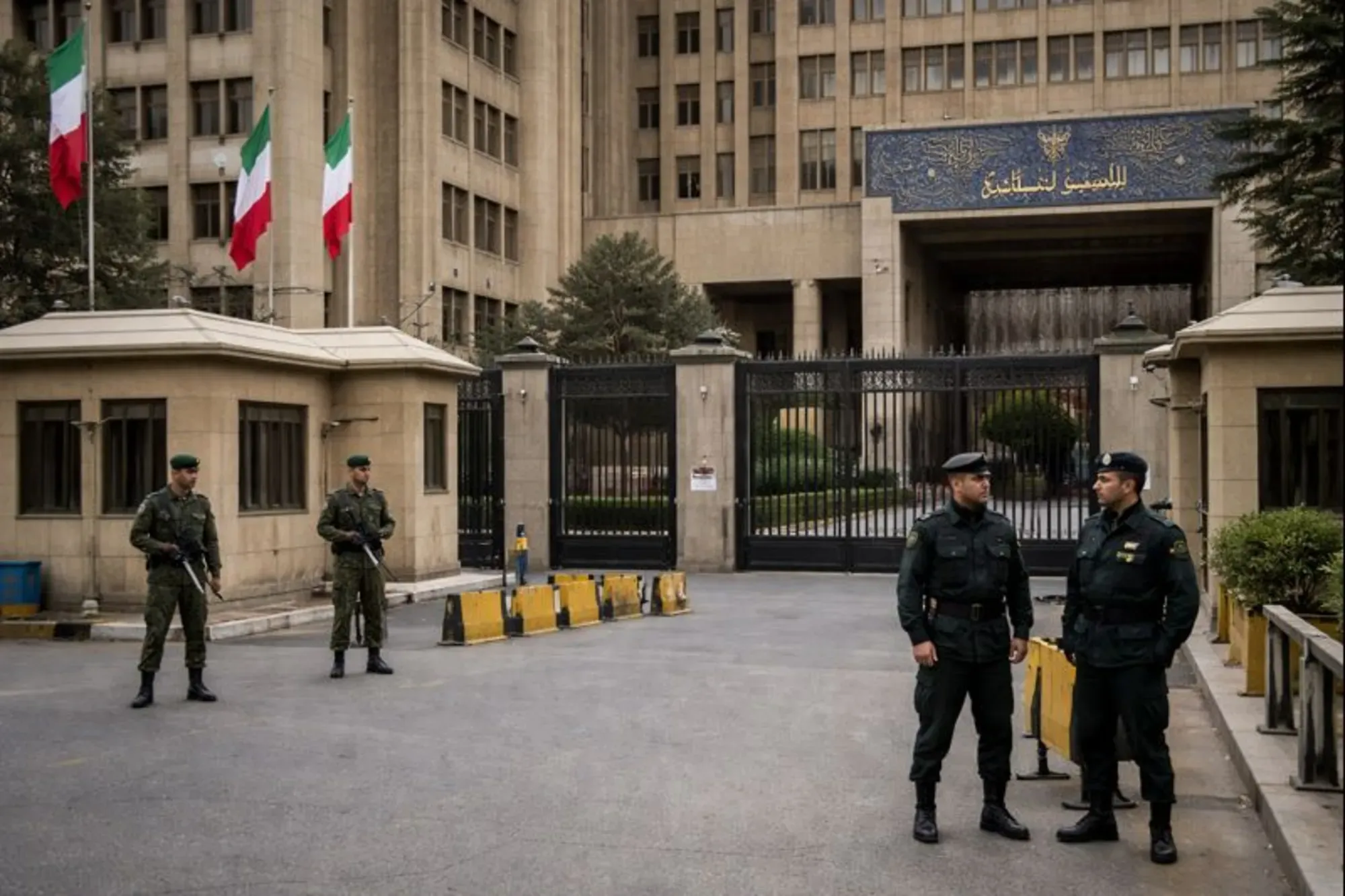
People are now questioning not just the government, but the entire Iranian system. There is anger over restrictions on social freedoms, and ordinary citizens are paying a heavy price for the long-running confrontation with the West in the form of daily hardship.
Despite all this, the center of power still appears to be holding—for now. Karim Sadjad pour, a senior fellow at the Carnegie Endowment in Washington, says that the most crucial thing that typically precedes a complete collapse of power has still not happened. That moment comes when the forces of repression decide that they no longer benefit from the system and are unwilling to kill people to preserve it.
Leadership Divisions and the Fight to Preserve Power
Even before the current crisis, the most powerful figures in Iran’s establishment were deeply divided on key issues—such as whether to resume negotiations with the United States over a new nuclear deal, and how to restore strategic balance after the setbacks suffered by their military allies and political partners during the Gaza war.
But above everything else, there is one overriding priority: saving the system itself. Ultimately, power rests in the hands of the 86-year-old Supreme Leader. Surrounding him are his most loyal supporters, including the Islamic Revolutionary Guard Corps.
Iran’s economy, politics, and security have all been deeply affected. President Trump’s nearly daily threats have made Iran’s top leadership even more cautious and alert.
 Deepak Singh

$500 Walmart Gift Card
A $500 Walmart gift card may be available to select users. Checking eligibility is quick. You can check if you’re one of them.
FAQs
1. Why is this crisis different from previous unrest in Iran?
Because internal economic anger is coinciding with serious external pressure and military threats.
2. Will talks with the US solve Iran’s internal problems?
Because internal economic anger is coinciding with serious external pressure and military threats.
3. What is the biggest obstacle to a US–Iran agreement?
Iran’s refusal to accept zero nuclear enrichment, which it sees as a red line.
4. How did the current protests actually start?
They began with market strikes after the currency collapsed, then spread nationwide.
5. Why does the Iranian power structure still appear stable?
Because security forces and core institutions remain loyal to preserving the system.
What may happen in the future?
In the near future, Iran may face either tighter control through force or limited dialogue aimed at easing external pressure, but neither path is likely to remove public anger quickly. Continued unrest could strain the economy further, raise the risk of regional conflict, and demand close global attention.