10 Powerful Truths About Indian Student Life in USA Every Aspirant Must Know Before It’s Too Late

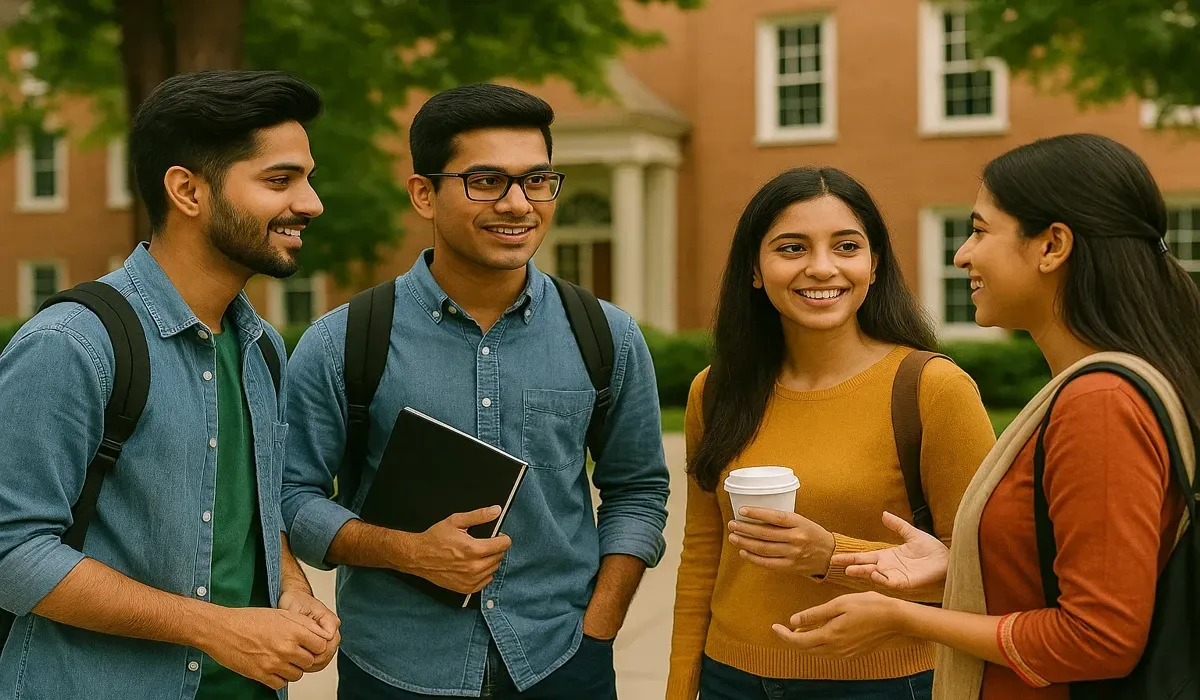
Indian student life in USA is one of the most enriching, challenging, and transformative experiences an Indian youth can have. Every year, more than 268,000 Indian students pursue higher education in the U.S. (Open Doors Report, 2024). They arrive with big dreams — global careers, independence, and exposure to diverse cultures. But beyond the brochures and rankings lies the real journey: balancing studies, social life, homesickness, and financial independence.
This guide goes deep into that journey — exploring how Indian students adapt to the U.S. education system, adjust culturally, manage food and lifestyle differences, and thrive while staying connected to their roots.
- The U.S. offers unmatched academic flexibility, but self-discipline is key.
- Indian students often balance rigorous academics with part-time jobs and social adaptation.
- Community, cultural groups, and Indian food outlets make life abroad easier and enjoyable.

$500 Walmart Gift Card
Not everyone qualifies for this $500 Walmart gift card. Checking only takes a moment. You can check if you’re eligible.
What Is Indian Student Life in the USA?
Indian student life in USA refers to the academic, cultural, and personal experiences Indian students undergo while pursuing education in the United States. It encompasses a wide range of aspects — from classroom learning to daily living, friendships, festivals, food, and adapting to a new cultural rhythm.
Historically, the first wave of Indian students arrived in the U.S. in the early 1950s through Fulbright scholarships. Today, Indian students form the largest group of international students in the U.S., surpassing even China in 2024. The growing number reflects both the global recognition of U.S. education and the aspirations of India’s youth to explore international opportunities.
Why Indian Student Life in USA Matters
- Global Exposure:
Living in the U.S. opens a world of diversity — students meet people from every continent and gain perspectives that shape leadership and adaptability. - Career Launchpad:
U.S. universities provide access to top recruiters, research projects, and internship networks that accelerate professional growth. - Personal Growth:
Students become independent, financially aware, and emotionally resilient — skills that last a lifetime. - Cultural Bridge:
Indian students act as cultural ambassadors, representing India’s traditions, language, and innovation on global campuses.
Academic Life: Adapting to the U.S. Education System
1. Interactive Learning Style
Unlike rote learning in India, the U.S. emphasizes critical thinking, participation, and project-based evaluation.
- Professors expect opinions and debate, not memorization.
- Grades depend on class discussions, presentations, and group assignments.
2. Coursework and Grading
Most programs use a credit system, where students manage their own pace of study. A typical master’s student completes 30–36 credits for graduation.
3. Professors and Mentorship
Professors are approachable and prefer first-name interaction. Students often meet them during office hours to discuss research, grades, or internships.
4. Teamwork and Collaboration
Group projects teach communication and problem-solving — skills critical for global careers.
Pro Tip: Always maintain academic integrity. U.S. universities have strict plagiarism rules; even unintentional copying can lead to penalties.
Cultural Adjustment: Blending Traditions and Diversity
How Do Indian Students Adapt to American Culture?
The cultural shift is often both exciting and overwhelming. U.S. society values individuality, punctuality, and direct communication.
- Greeting with a handshake, maintaining eye contact, and addressing professors by name are standard practices.
- Small talk and social networking play a major role in forming friendships.
Cultural Shock Stages:
- Honeymoon Phase: Enthusiasm and curiosity.
- Frustration Phase: Homesickness or adaptation stress.
- Adjustment Phase: Routine comfort.
- Acceptance Phase: Full adaptation and belonging.
Cultural Events and Communities
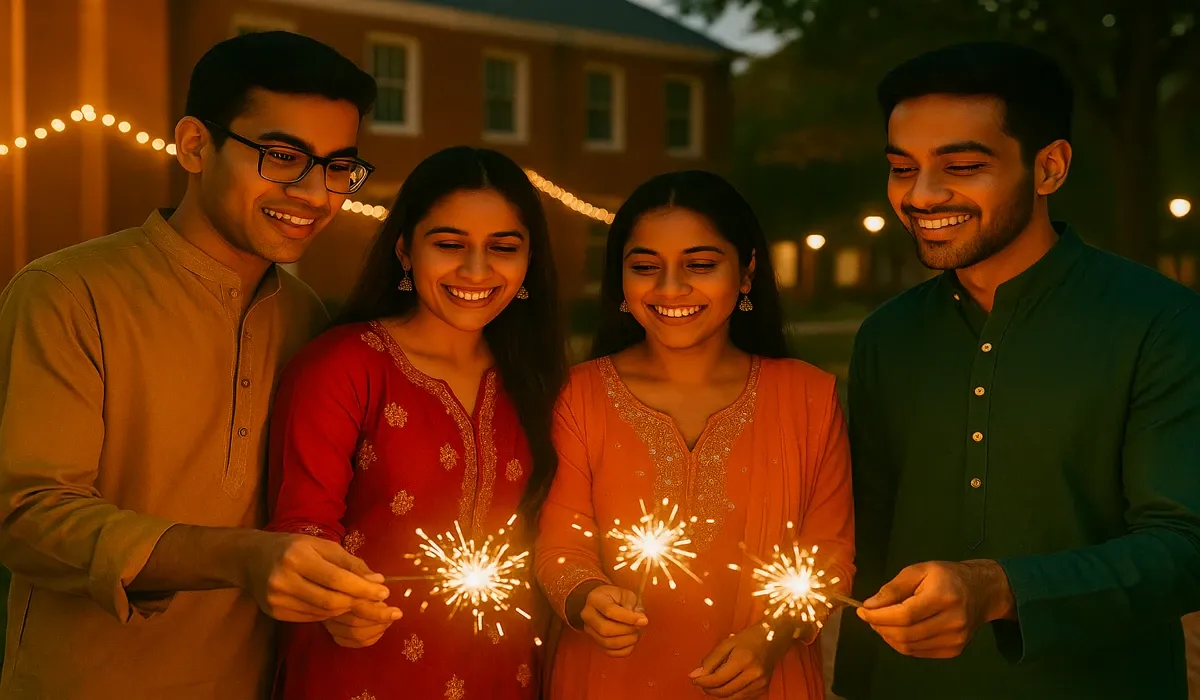
Most campuses have Indian Student Associations (ISA) that host Diwali, Holi, and Independence Day events. These communities are vital support systems that bridge cultures.
Food Life: Indian Flavors Meet Global Palates
How Do Indian Students Manage Food in the USA?
Food is one of the first emotional challenges for Indian students abroad.
Options include:
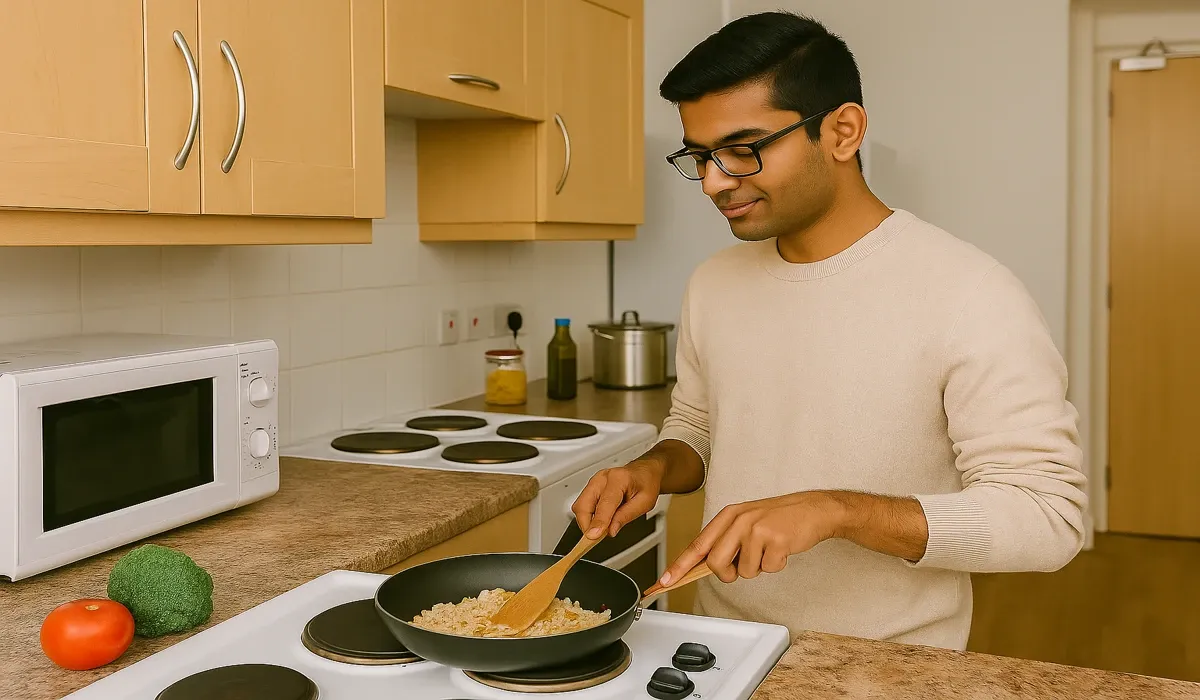
- Cooking at Home: Saves money and connects students to home.
- Campus Cafeterias: Offer international menus; many include vegetarian and halal sections.
- indian student life in usa, diwali celebration on campus, indian students celebrating diwali, indian culture abroad, usa university festivals Restaurants: Easily found near major universities like NYU, Purdue, or UC Berkeley.
Average Monthly Food Budget: $200–$400.
Indian Grocery Stores
Cities like Boston, Chicago, and San Francisco have Patel Brothers or Apna Bazar outlets selling Indian spices, snacks, and ready-to-eat meals.
Pro Tip:
Learn basic cooking before flying. Knowing how to make dal, rice, and parathas can save both money and homesickness.
Social and Cultural Life
Friendship and Networking
American students are open but value mutual respect and shared interests. Join clubs, volunteer programs, and networking events to build relationships beyond academics.
Festivals and Celebrations
Universities celebrate Holi, Diwali, Eid, and Onam with multicultural enthusiasm.
ISA events often feature Bollywood nights, Indian food stalls, and cultural dance shows.
Dating and Social Norms
Social interactions are liberal compared to Indian standards. Respecting consent, space, and boundaries is essential.
Balancing Education, Work, and Life
Can Indian Students Work While Studying?
Yes. F-1 visa holders can work:
- On-campus: Up to 20 hours/week during semesters.
- Internships (CPT): With department approval.
- Post-graduation (OPT): Up to 12 months, or 36 months for STEM programs.
Budgeting and Time Management
Balancing coursework, part-time jobs, and personal life requires discipline.
Use digital tools like Google Calendar or Notion to organize tasks and deadlines.
Mental Health and Well-being
The U.S. education system can be intense.
Universities offer counseling centers, meditation workshops, and peer support programs.
Housing and Transportation
- On-campus Housing: Convenient but costlier (~$900–$1,500/month).
- Off-campus Apartments: Shared housing cuts costs by 30–40%.
- Transportation: City bus passes ($50–$100/month) or student discounts on metro systems.
- Carpooling: Popular among Indian students in suburban universities.
Common Challenges Faced by Indian Students
- Homesickness: Missing family and festivals.
- Cultural Misunderstandings: Learning communication norms.
- Financial Strain: Managing rent and tuition simultaneously.
- Academic Pressure: Adapting to self-driven learning models.
- Weather Adjustment: Coping with U.S. winters, especially in northern states.
Tip: Build resilience through community and consistent communication with family.
Case Studies / Real Experiences
Case 1: Priya from Mumbai (MS, NYU)
“Cooking became therapy. My roommates and I celebrated every small win with chai and samosas. That made New York feel like home.”
Case 2: Rohit from Hyderabad (MBA, Purdue University)
“Initially, I struggled with group projects and direct communication. Once I adapted, I realized how collaborative learning empowers leadership.”
Case 3: Anjali from Delhi (PhD, University of Texas)
“My professors treat students as equals. It pushes you to think independently, something I wish Indian universities emphasized more.”
Future Trends in Indian Student Life
- Rise in Hybrid Learning:
More U.S. universities now offer online + on-campus flexibility. - Increase in STEM Enrollment:
Over 80% of Indian students pursue STEM-designated programs for OPT advantage. - Mental Health Awareness:
Indian student groups increasingly prioritize emotional wellness. - Cultural Integration:
“Global Indian” identities are redefining student diversity and leadership roles.

$500 PayPal Gift Card
A $500 PayPal Gift card may be available to select users. Checking eligibility is quick. You can check if you’re one of them.
FAQs
1. What is Indian student life in USA like?
It’s a balance of academics, culture, and independence — combining global exposure with emotional adaptation.
2. How do Indian students manage food in the USA?
They cook at home, eat at campus cafeterias, or dine at local Indian restaurants.
3. Is it hard to adjust to U.S. culture?
Initially yes, but with open-mindedness and community support, most students adapt within months.
4. How do Indian students balance study and social life?
Time management, supportive peers, and setting priorities help balance academics with socializing.
5. Do Indian students face discrimination?
Most U.S. campuses are inclusive, but occasional bias incidents may occur — handled through diversity offices.
6. What’s the cost of living for Indian students in the USA?
$1,200–$2,000 per month, including housing, food, and utilities.
7. How do Indian students celebrate festivals abroad?
Through cultural clubs and Indian associations hosting Diwali, Holi, and Eid celebrations.
Key Takeaways
- Indian student life in USA is diverse, vibrant, and full of learning opportunities.
- Students balance rigorous academics with cultural adaptation and independence.
- Indian communities, food options, and student groups ease the transition.
- Strong support systems and self-discipline ensure academic and personal success.
- The experience builds global perspective, leadership, and resilience.
Conclusion
The Indian student life in USA represents more than studying abroad — it’s about transformation. Every meal cooked, every friendship formed, and every challenge overcome builds a story of growth and global identity.
By balancing culture, food, and education, Indian students not only thrive academically but also contribute meaningfully to America’s multicultural fabric.