Why India Is Furious at the UN’s Claim About the Pahalgam Attack — Experts Decode the Real Story
Why India is furious at the UN’s claim about the Pahalgam attack becomes clearer as experts dissect the controversial allegation. This analysis explains India’s response, the evidence cited, and the diplomatic stakes behind the dispute.

The India Rejects UN Allegation on Pahalgam Attack has ignited a major diplomatic storm. When a UN Special Rapporteur suggested links between the Pahalgam terror incident and the treatment of Myanmar refugees in India, New Delhi struck back—calling the claims “baseless, biased, and detached from reality.”
But why did this particular report provoke such outrage? And what does it reveal about India’s changing approach to international criticism?
- The UN alleged India’s actions after the Pahalgam attack affected Myanmar refugees.
- India dismissed the claim as “politically motivated.”
- Experts say it marks a shift in India’s stance on global rights narratives.
What Is the UN Allegation About?
The controversy began when UN Special Rapporteur Thomas Andrews released a report implying that India’s security actions following the April 2025 Pahalgam terror attack may have led to “pressure” or “detention” of displaced Myanmar nationals.
The report also referenced alleged restrictions on humanitarian access and freedom of movement for refugees living in border regions.
India immediately rejected these allegations, emphasizing that no Myanmar nationals were linked to the Pahalgam attack and that the report relied on “unverified secondary sources.”

$750 Cash App Gift Card
A $750 Cash App gift card may be available to select users. Checking eligibility is quick. You can check if you’re one of them.
India’s Official Response: A Firm Denial
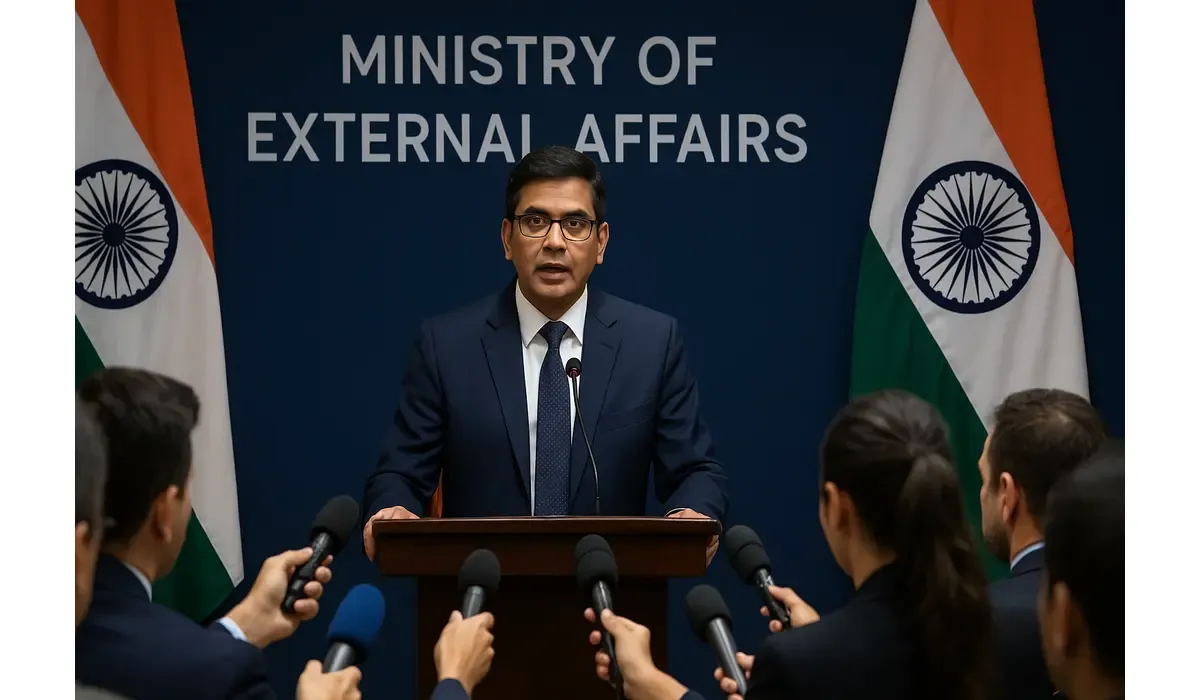
The Ministry of External Affairs (MEA) issued a sharply worded statement describing the UN’s claims as “one-sided, misleading, and lacking factual basis.”
It accused the Rapporteur of “ignoring evidence-based investigations” conducted by Indian authorities and mixing unrelated issues of refugee policy with terrorism.
An MEA spokesperson stated:
“India has a zero-tolerance policy toward terrorism and a proven record of assisting displaced communities. Attempts to link the Pahalgam incident to refugee management are nothing but agenda-driven narratives.”
The Pahalgam Attack: What Happened
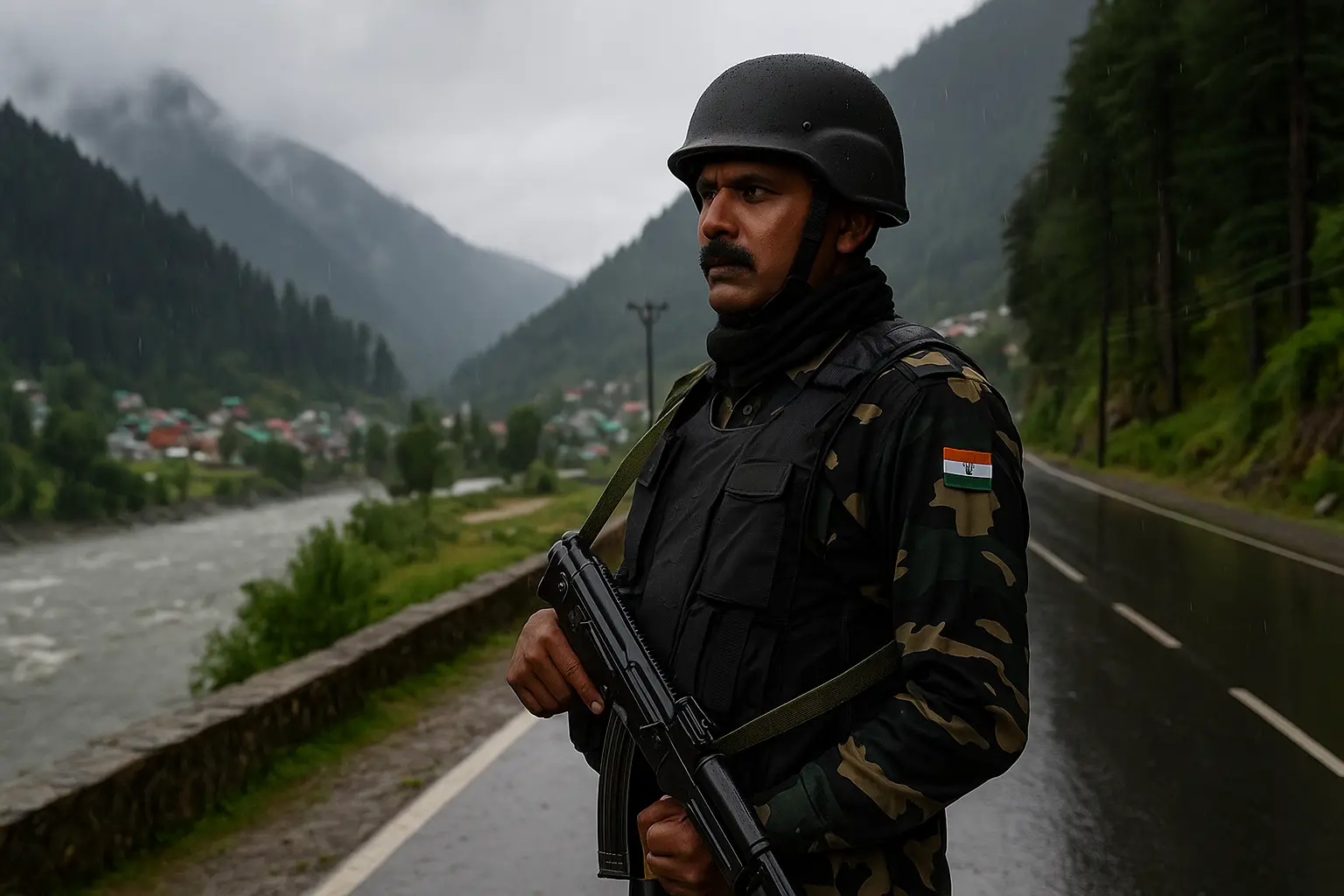
On April 22, 2025, a group of militants ambushed tourist buses near Pahalgam in Jammu and Kashmir, killing 26 and injuring over 40.
Investigations pointed toward The Resistance Front (TRF)—a Lashkar-e-Taiba-backed organization operating from across the border.
Security analyst Colonel (Retd.) Ajay Mehra explains:
“There was no evidence connecting the attack to refugees or domestic groups. It was a calculated proxy operation orchestrated from outside India. That’s why the UN report’s assumptions shocked Indian officials.”
Why India Rejects UN Allegation on Pahalgam Attack Matters Globally
India’s strong rebuttal isn’t just about one report—it reflects a broader pushback against perceived bias in global human rights mechanisms.
For years, New Delhi has argued that certain UN rapporteurs and Western institutions apply double standards when assessing developing nations’ security policies.
According to Dr. Priya Ghosh, Senior Fellow at the Centre for Global Governance,
“This isn’t India versus the UN—it’s India versus selective narratives. The government feels these reports ignore ground realities and the threat of cross-border terrorism. The tone of India’s response shows that New Delhi now wants to challenge global watchdogs head-on.”
This position resonates with many developing nations frustrated by what they view as Western moral posturing in multilateral forums.
Timeline of Events
| Date | Event |
|---|---|
| April 22, 2025 | Terrorists attack a tourist convoy in Pahalgam, killing 26. |
| April 24, 2025 | Indian intelligence identifies TRF’s involvement. |
| October 28, 2025 | UN Special Rapporteur publishes report mentioning Myanmar refugees. |
| October 30, 2025 | India issues a formal diplomatic protest to the UN. |
| November 2, 2025 | MEA statement condemns report as “baseless.” |
Deconstructing the UN’s Stand
The UN Special Rapporteur claimed that the “climate of fear” following the Pahalgam attack led to detention and deportation of refugees from Myanmar in India’s northeastern regions.
However, Indian officials insist these claims are “factually incorrect.”
They point out that India’s counterterror operations are confined to Jammu and Kashmir and have no operational link to refugee management in northeastern states.
Foreign policy researcher Rahul Bansal notes:
“It’s rare for the UN to directly link a terror attack to refugee conditions. Such framing broadens the scope of international involvement, which India interprets as overreach.”
Why This Diplomatic Clash Could Reshape India-UN Relations
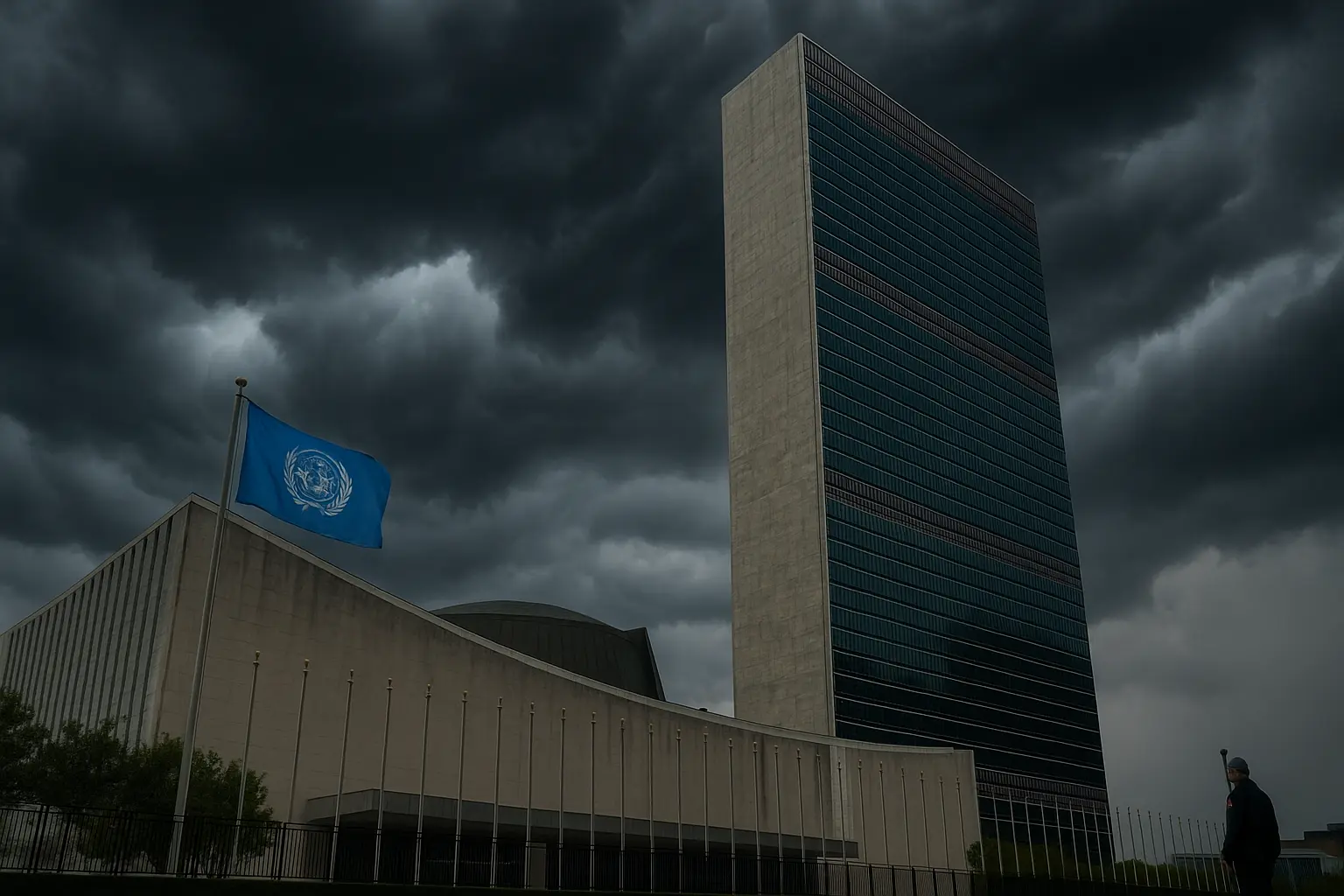
This episode exposes deeper fault lines between India’s national security narrative and the UN’s rights-based lens.
1. Redefining Sovereignty and Oversight
India sees such UN reports as intrusions into its sovereign space—especially in internal security and refugee issues.
2. The Global South’s Shared Sentiment
Several Global South countries view India’s pushback as a stand for balanced multilateralism.
3. A New Assertiveness in Diplomacy
Post-2023, India has been more vocal in rejecting foreign commentaries it deems biased—whether from think tanks, NGOs, or human rights rapporteurs.
Political analyst Ananya Reddy sums it up:
“India’s tone is part of a broader diplomatic evolution. It’s not isolationist—it’s assertive sovereignty in an age of narrative warfare.”
Expert Opinion: The Deeper Implications
Dr. Vivek Kaul, Professor of International Law at Jawaharlal Nehru University, shares:
“This incident underscores the need for accountability on both sides. UN mechanisms must ensure evidence-based reporting, while member states like India should enhance transparency in security operations to build global trust.”
He adds that such confrontations may push the UN to modernize its verification systems, improving credibility and balance in global human rights oversight.
What This Means for Citizens
While the diplomatic battle unfolds, it has real implications for both domestic security and public perception.
Here’s what readers should understand:
- India’s refugee policy remains active. Despite the dispute, India continues to host refugees from Myanmar, Afghanistan, and Sri Lanka.
- Security remains top priority. Intelligence inputs after the Pahalgam attack show enhanced surveillance across tourist zones in J&K.
- Narrative sensitivity is growing. The government is increasingly proactive in responding to external criticism swiftly.
- Diplomatic engagement continues. India has not withdrawn cooperation with the UN but insists on “mutual respect and factual integrity.”

$500 Walmart Gift Card
A $500 Walmart gift card may be available to select users. Checking eligibility is quick. You can check if you’re one of them.
FAQs
Ministry of External Affairs (MEA)
The UN alleged that India’s actions after the terror attack indirectly pressured Myanmar refugees, hinting at detentions or deportations.
Q2. How did India respond?
India rejected the allegations as “false, biased, and politically motivated,” stressing its commitment to human rights and refugee protection.
Q3. Did the UN name any Indian agency or official?
No. The report was general in nature and did not identify specific agencies.
Q4. Will this affect India’s engagement with the UN?
Experts say it may cause friction but not a rupture. India remains an active contributor to UN peacekeeping and policy debates.
Key Takeaways
- The India response to UN allegation on Pahalgam attack shows a new phase of assertive diplomacy.
- India rejects attempts to link internal terror incidents to refugee policies.
- Experts call for more factual accountability in UN human rights mechanisms.
- The issue underscores rising tensions between national sovereignty and international oversight.
Conclusion
The India response to UN allegation on Pahalgam attack isn’t just another diplomatic rebuttal—it’s a glimpse into India’s growing confidence on the world stage.
By challenging what it perceives as narrative bias, India is sending a clear message: global institutions must evolve beyond one-sided perspectives if they wish to remain credible.
Whether the UN adapts—or the rift widens—will define how nations balance human rights, national security, and narrative control in the years ahead.