
WHO Alert: Deadly Cough Syrups Behind India’s Growing Child Death Toll
See how the **India cough syrup child** crisis escalated after WHO flagged toxic formulations linked to rising fatalities. This concise teaser highlights the urgent warnings, regulatory gaps, and life-saving actions parents must understand now.

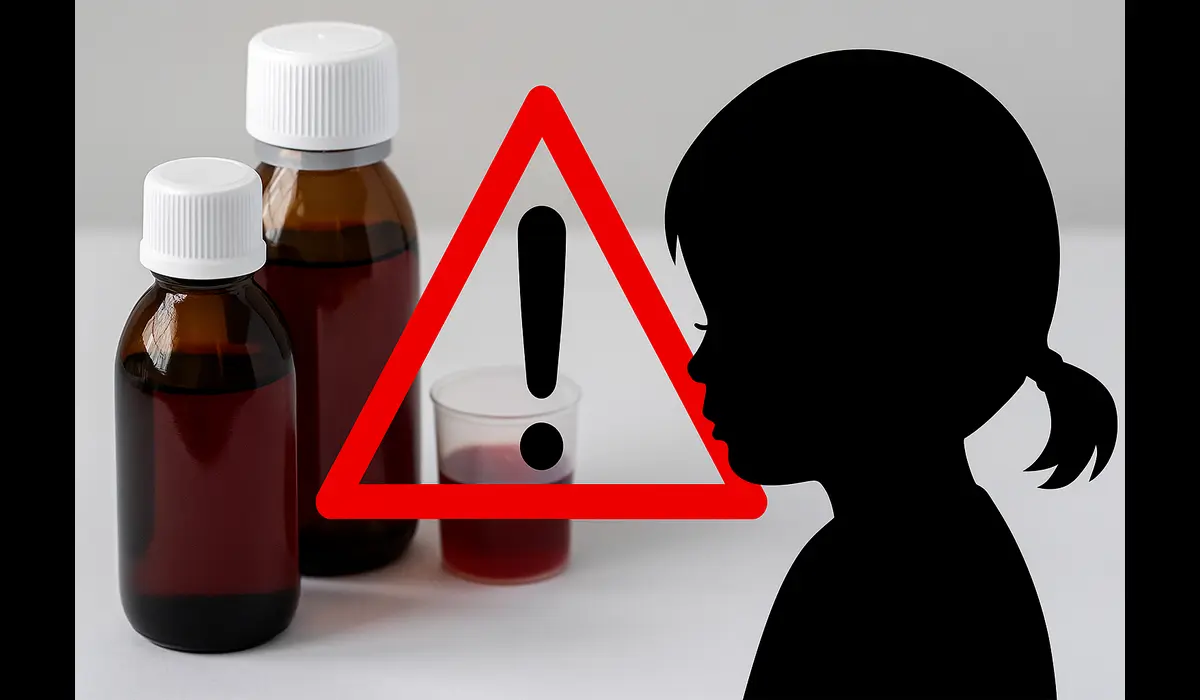
India cough syrup child deaths WHO report has sparked nationwide alarm and international scrutiny. Reports show that multiple children died after consuming contaminated cough syrup, exposing serious flaws in drug safety enforcement.
- The WHO is investigating whether affected syrups were exported.
- Regulators across India have launched inspections and bans.
- Parents and health experts call for urgent reforms.
2. What Is the WHO Report Saying? (Definition / Quick Context)
The WHO report raises alarms about contaminated paediatric medicines—especially cough syrups—in several countries, including India, where industrial solvents like diethylene glycol (DEG) were found in fatal concentrations.
This incident is part of a global concern over substandard and falsified medical products affecting children.
3. Latest Update: Death Toll & Regulatory Response

Deaths in India
Indian drug regulators have confirmed at least 17 child deaths in Madhya Pradesh linked to a cough syrup brand “Coldrif,” which reportedly contained 500 times the permissible DEG limit. The batches implicated include batch SR-13 with an expiry of April 2027.
Regulatory Actions
- Sresan Pharmaceutical’s operations have been shut down. Reuters+1
- Inspections ordered in manufacturing units across six states. Reuters+1
- State Health Agencies in Uttar Pradesh, Madhya Pradesh, Rajasthan are seizing stocks and banning distribution. The Times of India+1
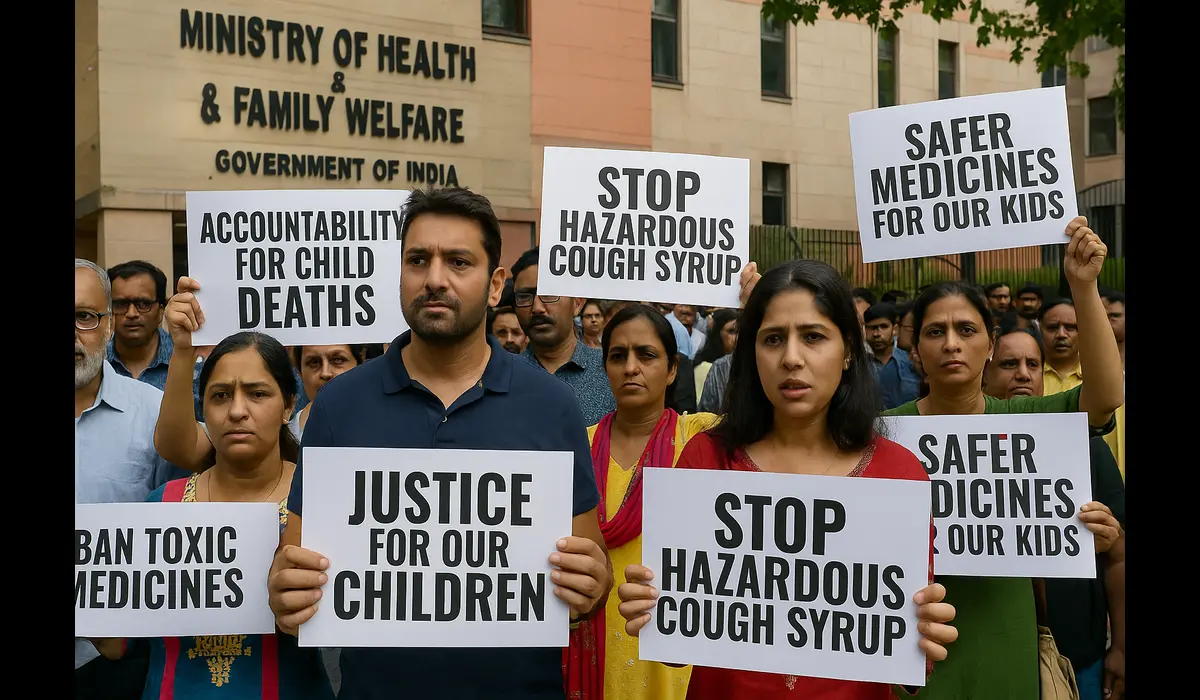
- NHRC has issued notices to state governments over children’s deaths. The Times of India
4. How Did This Happen? (Details / Key Facts)
Chemical Contamination
The key toxin is diethylene glycol (DEG) — an industrial solvent. In one tested sample from Bhopal, DEG concentration was found at 46.28%, well beyond safe limits.
DEG is often used or misused in place of non-toxic pharmaceutical solvents such as glycerin.
Manufacturing & Testing Failures
Sresan Pharma allegedly broke rules across procurement, storage, sample testing, and distribution. Multiple firms had lapses in raw material quality checks and final product testing.
Over 100 cough syrup samples in India have failed quality checks linked to earlier fatal incidents.
Global Context
This is not isolated to India. Previous outbreaks in The Gambia, Uzbekistan, and Indonesia saw dozens of child deaths tied to contaminated Indian-made syrups. The WHO has issued multiple medical product alerts over these cases.
5. Why It Matters — Impact on Public Health
Child Safety & Trust
These deaths erode public trust in generic medicine safety and raise fears about over-the-counter pediatric drug use.
Strain on Pharma Reputation
India is a major global supplier of generic drugs. A scandal of this magnitude can damage its pharmaceutical export credibility.
Regulatory & Legal Repercussions
The case spotlights weak regulation, enforcement gaps, judicial delays, and supply chain opacity. Reform is essential to protect vulnerable populations.
6. What Should Be Done? (Practical Takeaways)
- Strengthen oversight & random sampling: More frequent, third-party lab tests.
- Improve traceability: End-to-end tracking of raw materials and finished products.
- Transparent accountability: Penalize negligent companies and regulators.
- Public alerts & recalls: Quickly disseminate warnings when products are flagged.
- Educate caregivers: Warn parents to avoid giving cough syrups to infants without medical advice.
7. Expert Perspectives / Evidence
A commentary in the AMA Journal of Ethics described how DEG contamination typically enters the supply chain—through mislabeled imports or adulterated excipients.
In India, previous investigations into contaminated medicines found that lax regulatory oversight enabled repeated incidents.
8. Comparisons / Alternatives
| Parameter | Contaminated Syrups | Safe Practices / Alternatives |
|---|---|---|
| Chemical Content | High DEG / unknown toxins | Use tested, approved syrups |
| Regulation Compliance | Weak or ignored | Strict audits & enforcement |
| Public Response | Panic and distrust | Transparent communication |
| Health Outcomes | Kidneys failure & death | Safe medicine use & early detection |
9. FAQs
Q1: What does WHO report about India cough syrup child deaths?
The WHO report highlights repeated incidents of contaminated pediatric medicines, including cough syrups in India with toxic solvents, warranting global alerts.
Q2: How many children died due to cough syrup in India in 2025?
At least 17 children under age five have died in Madhya Pradesh linked to a contaminated batch of “Coldrif” syrup.
Q3: Why is diethylene glycol (DEG) dangerous?
DEG is a toxic industrial solvent that causes acute renal failure, neurological damage, and can be fatal if ingested.
Q4: Are these syrups exported?
WHO is investigating whether the contaminated syrup batches were exported.
10. Key Takeaways
- India cough syrup child deaths WHO report reveals deep failures in regulation, manufacturing, and surveillance.
- The implicated cough syrup “Coldrif” reportedly contained dangerously high DEG levels.
- At least 17 child deaths in MP have been confirmed.
- Urgent reforms in oversight, supply chain management, and public safeguards are needed.
- Awareness among caregivers and prompt recalls are critical to prevent further harm.
11. Conclusion
The India cough syrup child deaths WHO report sends a stern warning: systemic negligence in pharmaceutical safety can cost innocent lives. Rebuilding trust demands immediate action from regulators, manufacturers, and society.