7 Strong Reasons Why India Continues Buying Discounted Russian Oil 2025 Despite Global Pressure
Discover why India continues buying discounted Russian oil in 2025 despite mounting global pressure. This sharp, research-driven snapshot breaks down seven strategic, economic, and energy-security reasons shaping New Delhi’s steadfast approach.


The question of why India continues buying discounted Russian oil 2025 is central to global energy and geopolitics. Despite pressure from the U.S. and Western countries, India still sources a significant share of its crude from Russia at steep discounts.
Key drivers behind this decision include:
- Economic need for affordable energy
- Trade arbitrage by Indian refiners
- Strategic autonomy and supply security
Context: India’s Oil Needs & Global Sanctions
India is one of the world’s biggest energy importers, relying on crude imports for nearly 85–90% of consumption. Domestic production is limited, making import strategy vital.
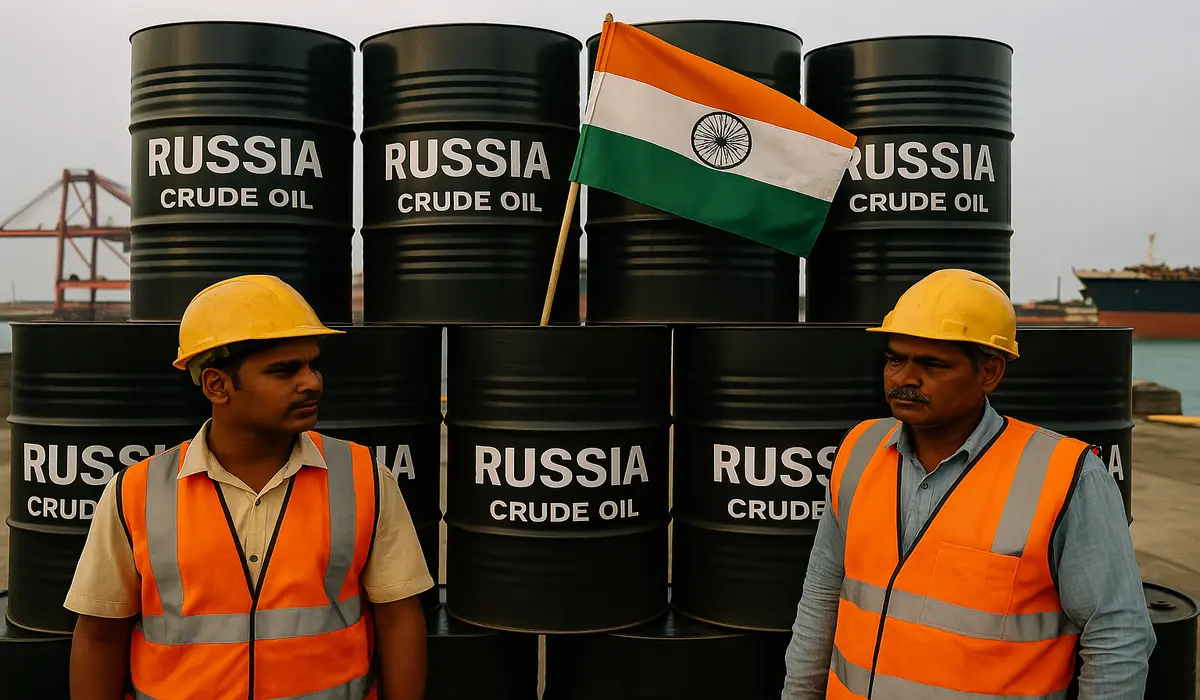
Since Russia faced Western sanctions over the Ukraine conflict, Moscow has offered steep discounts to buyers outside Europe and North America. India has stepped in as a major customer. (See also India–Russia relations context)
But purchases must comply with legal terms — Indian refiners insist on sanctions-compliant cargoes and shipping to avoid secondary penalties.
Latest Post
Economic Logic & Discount Arbitrage
Discounted Price Gap
The heart of why India continues buying discounted Russian oil 2025 lies in the price advantage. At times, Russian crude has been offered at discounts exceeding USD 15–20 per barrel relative to global benchmarks. Even with narrower discounts in 2025, the cost benefit remains meaningful.
This discount helps reduce India’s import bill and manage inflationary pressure.
Refining & Re-exports
Some of India’s refineries—private players like Reliance and Nayara—refine discounted Russian crude and re-export high-value finished fuels. That arbitrage earns additional margins.
Hence, India’s energy strategy is not purely consumption-based, but also involves trade economics.
Existing Contracts & Lead Time
Crude oil contracts are often arranged weeks or months ahead. Sudden stoppage is impractical; deliveries already in motion must be honored.
This lag means continued imports even if policy shifts.
Geopolitical & Strategic Reasons
Strategic Autonomy
India often frames its energy decisions in terms of strategic independence—resisting external pressure to align fully with Western policies. Buying discounted Russian oil is viewed as maintaining geopolitical flexibility.
Diplomatic Balancing
India must balance its relations with the U.S., Europe, and Russia. Its import policy sends a message that national energy security takes precedence over external demands.
Supply Security
Diversification is essential. If India abandons Russian crude abruptly, it risks exposure to supply shocks or sudden price spikes. Discounted Russian oil offers a buffer in a volatile global energy market.
Risks, Pressures & Constraints
US & Western Pressure
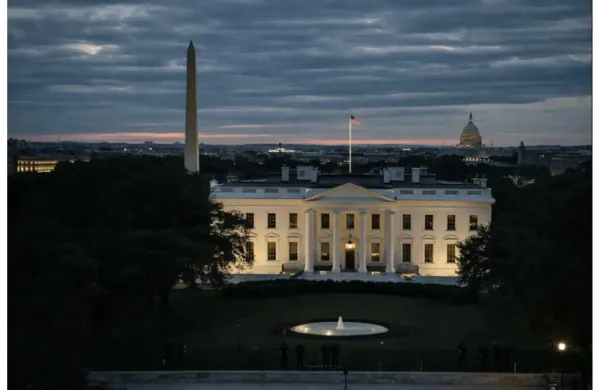
The U.S. and allied nations have ramped up pressure on India to cut Russian oil imports.
Trump has imposed new tariffs tied to India’s Russian oil imports.
Sanctions & Compliance Costs
Working with sanctioned zones, shipping insurance, and regulatory scrutiny raises costs and risk. Refiners must ensure vessels and cargoes are cleared under sanctions rules.
Discount Erosion
As global markets adjust, the discount on Russian crude has shrunk. The gap is not as large as it once was.
Political & Reputation Risk
India faces criticism from Ukraine, Western nations, and domestic voices over whether discounted Russian oil undermines moral standing in global conflict.
Comparative Alternatives & Constraints
| Option | Benefits | Drawbacks |
|---|---|---|
| Middle Eastern & African Crude | Stable markets, fewer geopolitical risk | Higher landed cost |
| U.S. Oil | Strategic alignment with the West | More expensive, supply constraints |
| Increased Domestic Production | Lower import reliance | Long lead time and investment needed |
| Renewable Transition | Clean energy future | Doesn’t replace oil demand overnight |
Thus, fully replacing discounted Russian oil in 2025 is neither feasible nor economical for India.
Evidence & Expert Insights
Researchers note that India justified continued Russian imports based on economic sensitivity—higher oil costs drive inflation and stress the rupee.
Analysts point out that Western tariffs appear as trade-coercion tools, not solely moral pressure.
The Indian government has denied profiteering, asserting that imports stabilize global supplies and protect Indian consumers.
Recent reports say major refiners continue heavy Russian crude purchases as sanctions-compliant cargoes.
Practical Takeaways
- Gradual Diversification: Phase away from Russian imports while securing alternative crude.
- Strengthen Domestic Supply: Invest in domestic production and alternative energy to reduce import dependence.
- Ensure Compliance: Maintain sanction-compliant supply chains to avoid secondary penalties.
- Transparent Policy Signals: Clearly communicate energy strategy to global partners to mitigate diplomatic tensions.
FAQs
Q: Why India continues buying discounted Russian oil 2025?
A: Because discounted pricing, refining arbitrage, and strategic autonomy make it economically and politically viable.
Q: How large is Russian share in India’s oil imports?
A: It recently hovered around 30–35%, making Russia one of India’s top crude suppliers.
Q: Does India violate sanctions by buying Russian oil?
A: India insists it only buys sanctions-compliant cargoes, to avoid legal exposure.
Q: Can India stop Russian oil imports immediately?
A: No — existing contracts, supply logistics, and market constraints make abrupt shift impractical.
Key Takeaways
- The core of why India continues buying discounted Russian oil 2025 lies in the cost advantage, refining margins, and strategic necessity.
- Geopolitical pressures and sanctions impose risks, but economic imperatives and supply security remain dominant factors.
- Indian strategy is not static — gradual reduction is possible, but replacement cannot occur instantaneously.
Conclusion
The decision why India continues buying discounted Russian oil 2025 is complex, rooted in cost efficiency, global markets, and sovereign strategy. In balancing diplomacy, economics, and energy security, India is walking a tightrope between external pressure and domestic necessity.