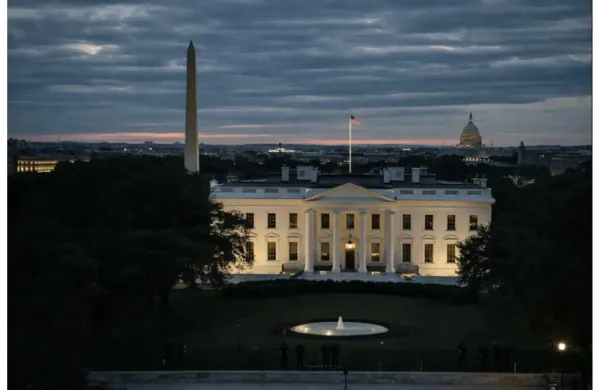
9 Hidden Rules for Visiting North Korea Legally – What’s Allowed and What Can Get You in Trouble

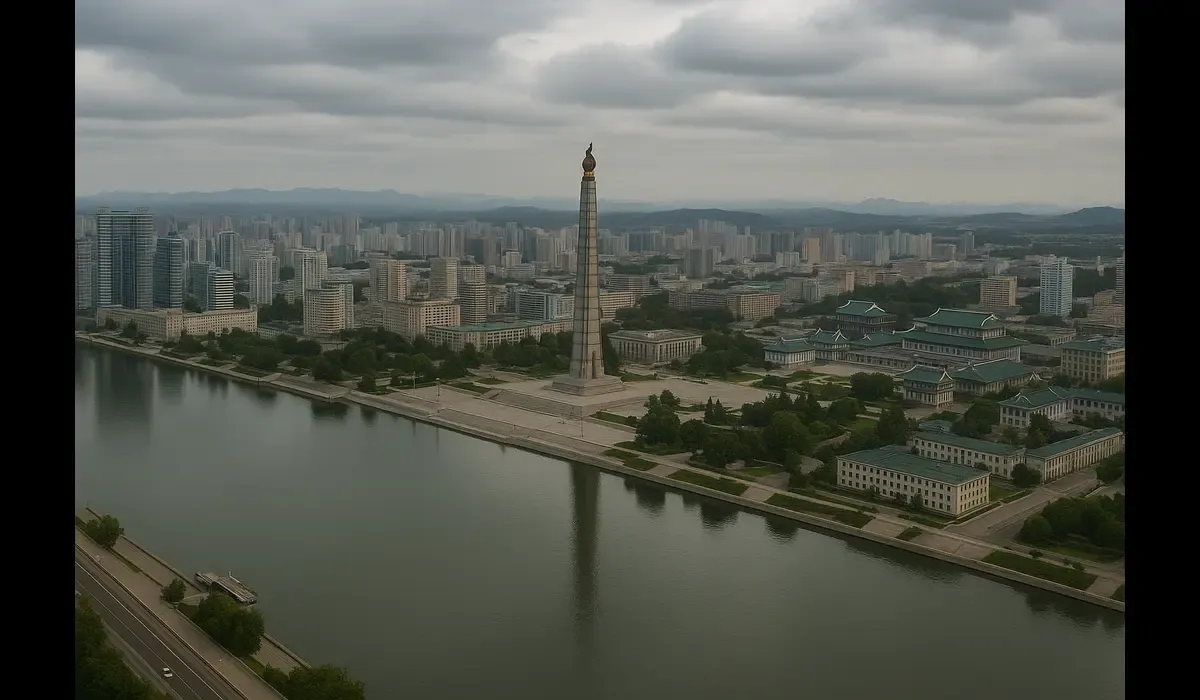
How to visit North Korea legally is one of the most intriguing travel questions in the world. The Democratic People’s Republic of Korea (DPRK) is unlike any other destination — a country shrouded in secrecy, governed by strict regulations, and accessible only under carefully controlled conditions.
While many assume it’s impossible to enter North Korea, it is technically possible for foreigners to visit legally. However, the process is unlike any other form of international tourism. From government-approved agencies to rigid tour rules and restricted itineraries, every aspect of the trip is managed.
- Tourists can legally visit North Korea, but only via state-approved guided tours.
- Independent travel is prohibited; all itineraries are pre-arranged.
- Entry requires a DPRK tourist visa and compliance with strict behavioral rules.
What Does “Visiting North Korea Legally” Mean?
To visit North Korea legally, travelers must comply with the DPRK government’s tourism policies, enter only through approved routes, and participate in authorized tours.
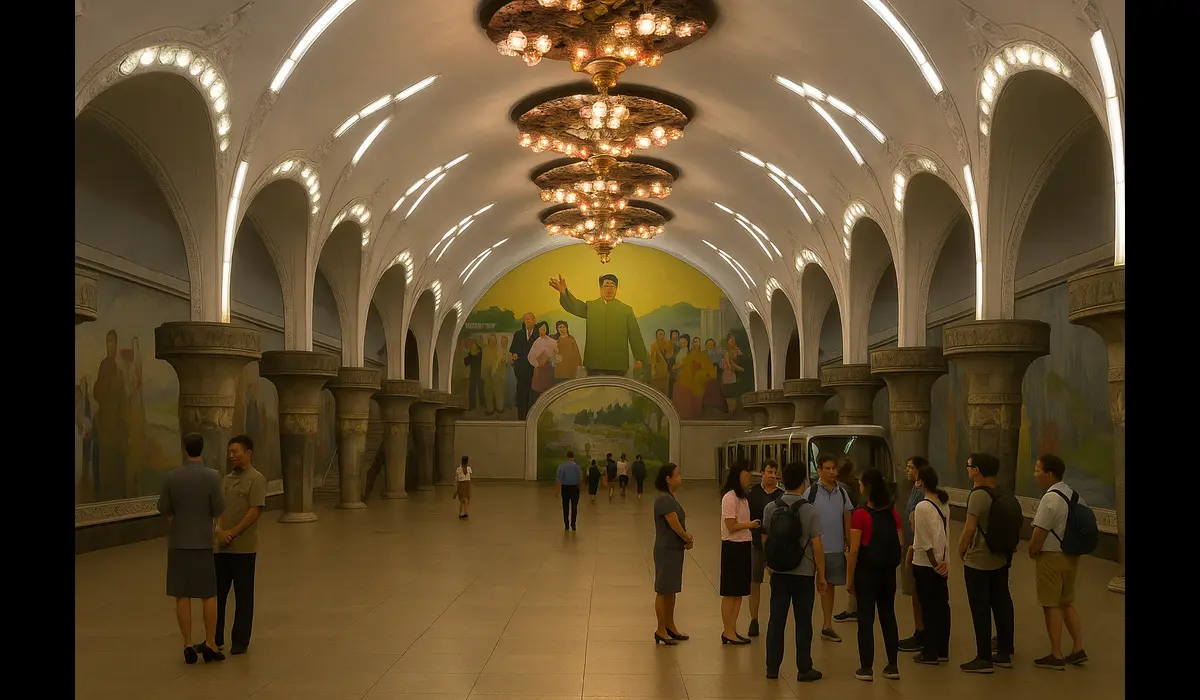
Unlike other destinations, where tourists can travel freely, North Korea operates a guided tourism system. This means your itinerary, accommodation, meals, and movement are monitored by government-assigned guides.
Background & Context
Tourism in North Korea legally was introduced in the late 20th century through specialized travel partnerships with Chinese agencies. These programs were designed to showcase North Korea’s achievements and cultural heritage while minimizing foreign influence.
Even today, visiting the DPRK legally means agreeing to complete supervision during your trip.
In short: You’re not just visiting a country — you’re participating in a controlled cultural experience designed by the North Korean government.
Why Visiting North Korea Legally Matters
1. Legal Protection
Traveling legally through approved agencies ensures compliance with both North Korean and your home country’s regulations. Entering illegally (for example, across the China border without a visa) is a criminal act that can result in imprisonment.
2. Safety
North Korea legally enforces strict laws regarding photography, communication, and behavior. Legal tours reduce risks by guiding tourists through safe and approved environments.
3. Ethical Travel
Authorized tours operate under agreements that prevent exploitation and ensure cultural respect. Legal tourism avoids violating international sanctions or funding prohibited activities.
4. Diplomatic Compliance
Several countries (including the U.S. and Japan) have travel restrictions related to North Korea. Legal channels ensure travelers don’t violate home-country laws or international sanctions.
How Does Legal Travel to North Korea Work?
Entry Pathways
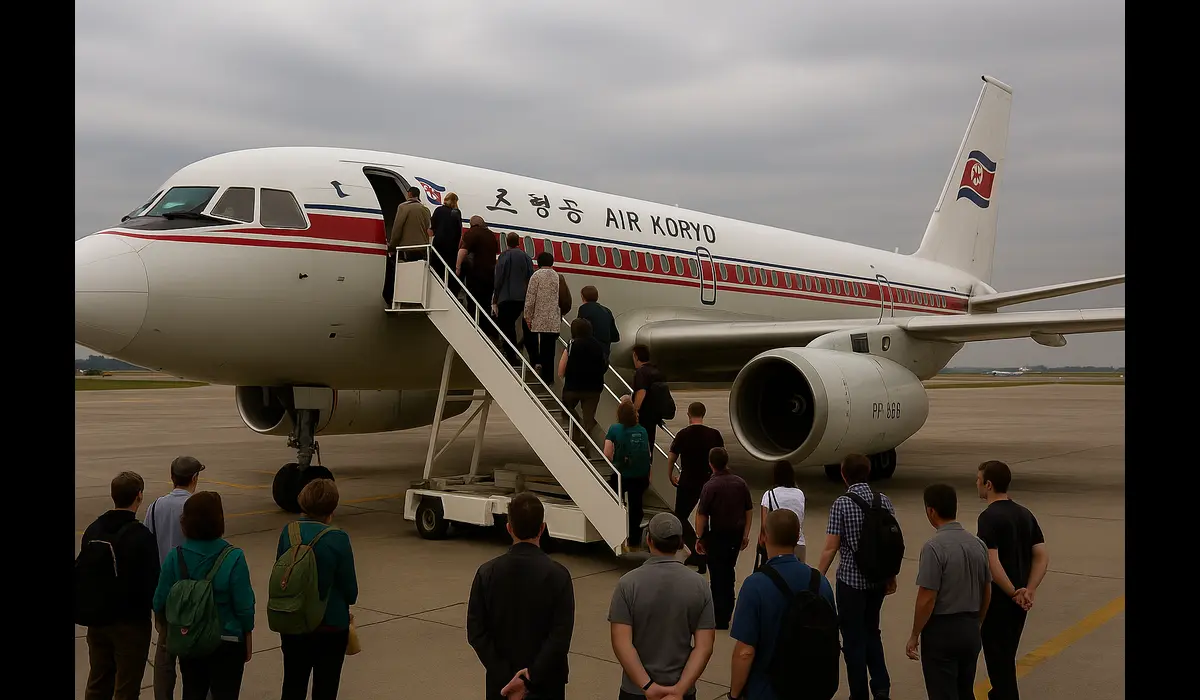
Currently, foreigners can only enter North Korea through China or Russia.
Most visitors use Beijing as the main gateway.
Authorized Tour Operators
You must book through an official DPRK-licensed agency. These agencies coordinate with the Korean International Travel Company (KITC), the country’s state tourism body.
Popular routes include:
- Pyongyang City Tour (3–5 days)
- Mass Games & Cultural Events Tours
- DMZ Visit (Panmunjom area)
- Mount Myohyang & Kaesong Cultural Route
Group vs. Individual Tours
- Group Tours: Most common; 10–15 tourists with guides.
- Private Tours: Available at higher cost, but still fully guided.
Important Rule
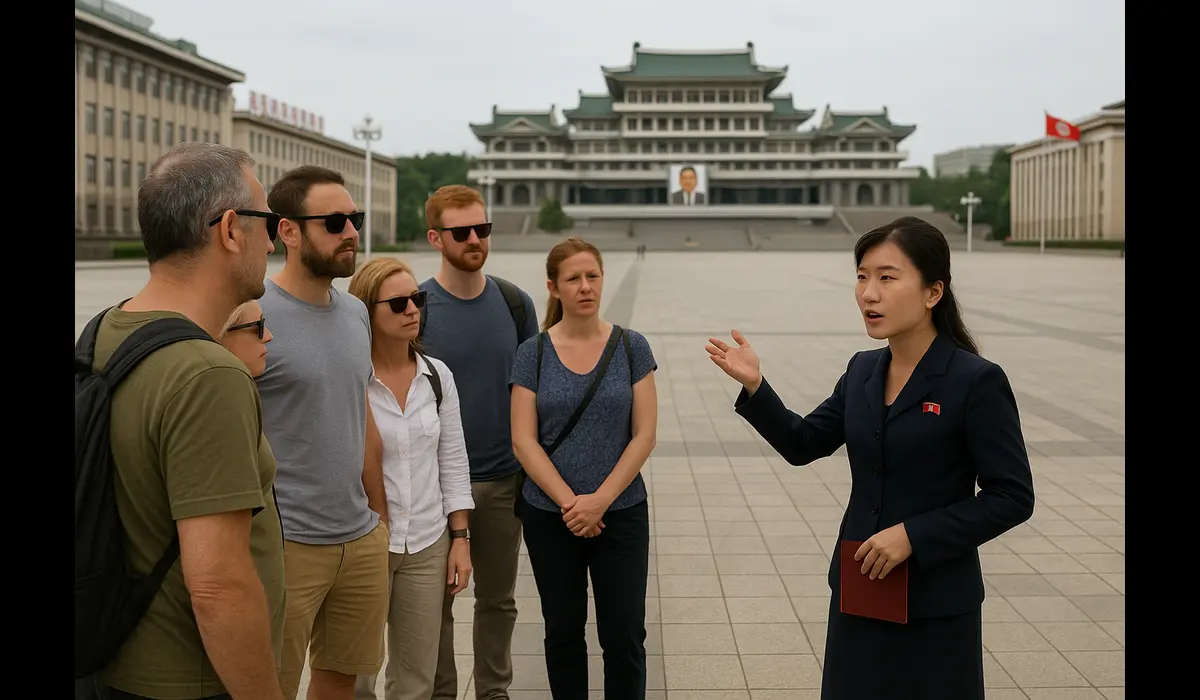
All tourists must be accompanied by two North Korean guides and a driver at all times. No unsupervised activity is permitted.
Step-by-Step Guide: How to Visit North Korea Legally
Here’s a full breakdown of the legal travel process — from visa application to returning home safely.
Step 1 – Research Legal Requirements
Begin by understanding your home country’s stance on travel to North Korea. Some governments (like the U.S.) restrict entry altogether. Others allow travel under specific conditions.
Step 2 – Choose an Approved Tour Agency
Select a licensed DPRK tour operator such as:
- Koryo Tours
- Young Pioneer Tours
- Uri Tours
- Asia Pacific Travel
These agencies handle permits, itineraries, and communication with the North Korean authorities.
Step 3 – Apply for a DPRK Tourist Visa
Your agency submits your visa request to the DPRK Embassy (usually in Beijing).
You’ll need:
- Valid passport (minimum 6 months validity)
- Passport-sized photo
- Personal information and occupation details
- Travel insurance
- Completed visa form
Processing Time: 2–3 weeks.
Note: Most tourists receive a visa card, not a passport stamp.
Step 4 – Secure Transit Visas
Since you must enter via China or Russia, obtain the necessary transit visa for these countries.
Step 5 – Attend the Pre-Departure Briefing
Before departure, the agency will explain:
- Conduct expectations
- Photography restrictions
- Political sensitivity guidelines
- Communication and dress code rules
Step 6 – Travel to Beijing or Vladivostok
All travelers meet their group and guides at the departure point. Flights to Pyongyang are operated by Air Koryo or occasionally Air China.
Step 7 – Enter North Korea
Upon arrival:
- Customs will inspect electronics, printed materials, and cameras.
- You will be issued a visitor badge and temporary ID.
- Internet and mobile SIMs are disabled for foreigners.
Step 8 – Follow Rules During the Tour
During your stay:
- Always remain with your guides.
- Photograph only approved sites.
- Show respect at all monuments.
- Avoid discussing politics or sensitive topics.
- Comply fully with schedule instructions.
Step 9 – Departure
Before leaving:
- All electronic devices and luggage may be checked.
- Officials may delete unapproved photos.
- Exit visa and group clearance are processed together.
Step 10 – Return to Transit Country
After the tour, most tourists fly back to Beijing or Vladivostok for onward travel.
Rules Tourists Must Follow in North Korea
- No Independent Exploration – You cannot walk around alone.
- Respect for Leaders – Always bow or behave respectfully near statues or portraits.
- Restricted Photography – Only shoot approved scenes.
- No Religious or Political Material – Books, pamphlets, or political content are banned.
- Limited Communication – No social media or Wi-Fi access.
- Currency Control – Tourists use only foreign currency (EUR, USD, RMB).
- Behavioral Discipline – Do not joke or comment on politics, military, or daily life.
Violating these rules can lead to immediate expulsion or detention.
Legal Documents You Need
| Document Type | Issued By | Purpose |
|---|---|---|
| DPRK Tourist Visa | DPRK Embassy / Tour Agency | Legal entry permit |
| Transit Visa | China / Russia | Required for passage |
| Tour Contract | Agency | Proof of organized travel |
| Travel Insurance | Any approved provider | Required for emergencies |
What Are the Legal Risks of Unsupervised Travel?
- Unauthorized Entry: Crossing the DPRK border illegally is punishable by imprisonment.
- Visa Violation: Straying from guided routes violates visa conditions.
- Sanctions Breach: Certain travelers (e.g., U.S. citizens) could face legal issues at home.
Common Myths About Visiting North Korea Legally
Myth 1 – Anyone Can Just Fly to Pyongyang
False. Only organized tours are allowed; there are no tourist visa-on-arrival options.
Myth 2 – It’s Too Dangerous to Visit
Partially false. While politically sensitive, legal tours operate safely under strict oversight.
Myth 3 – You Can Talk Freely with Locals
False. Conversations outside supervised settings are prohibited.
Myth 4 – You’ll Be Spied on Constantly
Partially true. Monitoring is part of the structure, but compliant tourists rarely face harassment.
Case Study: Legal Travel Experience
A European traveler who visited Pyongyang on a guided 5-day tour described the trip as “surreal but safe.”
- Movement was limited to approved landmarks.
- Guides were professional but reserved.
- Photography was restricted to monuments and cultural sites.
The traveler reported feeling secure yet constantly aware of the controlled nature of the environment.
Expert Insight: Responsible DPRK Travel
Travel analysts emphasize ethics and awareness. Legal visits must prioritize cultural respect and avoid misrepresentation. Experts advise:
- Avoid political discussions.
- Support only reputable tour companies.
- Document experiences objectively, not sensationally.
Future of Legal Travel to North Korea
- Gradual Reopening: After pandemic-era closures, selective reopening to limited foreign groups is expected.
- Increased Surveillance: Digital monitoring will likely intensify.
- Niche Market Growth: Political tourism may expand for history enthusiasts.
- Ethical Tourism Focus: Future travelers will face higher scrutiny regarding their intent and conduct.
FAQs
Q1: How can I visit North Korea legally?
A: You can visit legally only by joining a state-approved guided tour arranged by a licensed DPRK travel agency.
Q2: What visa is required for North Korea?
A: A DPRK tourist visa or tourist card, arranged through your travel operator.
Q3: Can Americans visit North Korea?
A: Currently, U.S. citizens cannot legally travel to North Korea using a U.S. passport.
Q4: Is it safe to visit North Korea?
A: Yes, if you follow all rules. However, political risk and lack of consular support make it a high-risk destination.
Q5: How long can I stay in North Korea?
A: Most legal tours last 3–10 days depending on itinerary approval.
Q6: What should I avoid bringing?
A: Religious materials, political books, drones, and professional cameras.
Q7: Can I film or post online?
A: Only approved images may be shared. Internet access is restricted.
Key Takeaways
- How to visit North Korea legally: Only through licensed, guided tours.
- Requires DPRK tourist visa and transit visas from China or Russia.
- Independent travel is illegal and can lead to detention.
- Follow strict rules on conduct, photography, and communication.
- Legal travel is safe but highly controlled—an experience of observation, not exploration.
Conclusion
Understanding how to visit North Korea legally means recognizing that travel to the DPRK is not conventional tourism — it’s a structured experience inside one of the world’s most secretive nations.
If you’re drawn to history, political studies, or cultural curiosity, a legal guided tour provides rare insight into a nation unlike any other. However, it demands discipline, awareness, and respect for local laws.