9 Powerful Secrets Indian Students Use to Secure Admission in Top USA Universities with Confidence


How to apply for higher education in USA is one of the most common and important questions among Indian students planning to study abroad. With over 270,000 Indian students currently enrolled in American universities (according to Open Doors Report 2024), the U.S. remains the top global destination for quality education, research exposure, and career growth.
However, the process of applying—from selecting universities to obtaining a student visa—can seem overwhelming. This article simplifies the entire journey, offering a comprehensive step-by-step roadmap tailored specifically for Indian students, combining official guidelines with practical strategies.
- Start your U.S. college application process at least 12–15 months before your intake.
- Focus on test prep (TOEFL/IELTS, GRE/GMAT/SAT), documentation, and financial planning.
- Applying early, authentic documents, and proper visa strategy improve admission success.
What Is the U.S. Higher Education Application Process?
The U.S. higher education application process refers to a structured sequence of steps — from shortlisting universities to obtaining the F-1 visa — that international students must complete to study in America.
Unlike India’s centralized admission system, U.S. universities operate autonomously, each with its own criteria, deadlines, and evaluation policies. According to U.S. News Education, universities assess applicants holistically — considering academic performance, test scores, essays, recommendations, and extracurricular activities.
Why It Matters
1. Global Recognition
A degree from the U.S. carries global credibility, opening doors to international employment and research opportunities.
2. Research and Innovation Ecosystem
American universities are home to cutting-edge labs and startup ecosystems, making them ideal for STEM and management aspirants.
3. Cultural Exposure
Studying in the U.S. provides exposure to diverse ideas, collaborative environments, and leadership-driven education.
4. Long-Term Career Growth
Graduates from U.S. universities benefit from better job placements, Optional Practical Training (OPT) extensions, and networking opportunities worldwide.
Step-by-Step Guide: How to Apply for Higher Education in USA (For Indian Students)
Step 1: Understand the U.S. Education System
The U.S. offers multiple levels of higher education:
- Undergraduate (Bachelor’s) – 4 years
- Graduate (Master’s) – 1–2 years
- Doctoral (Ph.D.) – 3–6 years
Institutions are categorized into:
- Community Colleges (2-year associate programs)
- Public Universities (state-funded; affordable tuition)
- Private Universities (independent, often specialized)
- Ivy League / Elite Institutions (prestige and research focus)
Each level has different admission criteria, costs, and deadlines.
Step 2: Research and Shortlist Universities
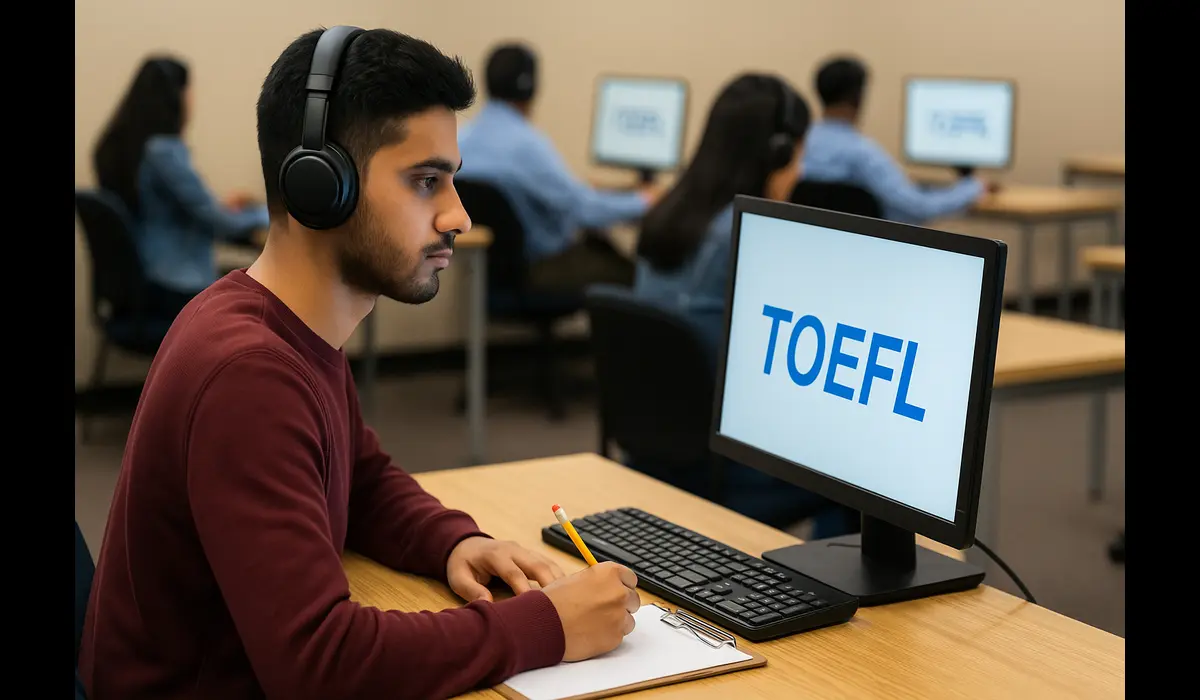
Use reliable ranking systems like Times Higher Education (THE) and QS World University Rankings. Focus on:
- Academic Fit: Course curriculum, faculty, and specialization.
- Financial Fit: Tuition fees, assistantships, or scholarships.
- Location: State living costs and climate.
- Career Opportunities: Internship and job placement rates.
Pro Tip: Shortlist 6–8 universities — 2 “safe,” 3 “target,” and 2 “ambitious.”
Step 3: Check Admission Requirements
Typical eligibility for Indian students:
- Minimum GPA of 3.0/4.0 or equivalent (for graduate programs).
- Standardized test scores:
- TOEFL/IELTS – English proficiency.
- SAT/ACT – Undergraduate entry.
- GRE/GMAT – Master’s/Ph.D. or MBA programs.
Some universities have waived GRE/GMAT post-2022, but always confirm at the department level.
Step 4: Prepare for Standardized Tests
Begin preparation 8–10 months before your target intake.
| Test | Purpose | Ideal Score Range | Average Cost |
|---|---|---|---|
| TOEFL | English Proficiency | 90+ | ₹16,000 |
| IELTS | English Proficiency | 6.5+ Band | ₹17,000 |
| GRE | Graduate Admission | 310+ | ₹22,000 |
| GMAT | Business Schools | 650+ | ₹28,000 |
| SAT | Undergraduate | 1300+ | ₹12,000 |
Tip: Use official resources like ETS or College Board for authentic practice.
Step 5: Gather Required Documents
You’ll need:
- Academic Transcripts – 10th, 12th, degree certificates.
- Standardized Test Scores – TOEFL/IELTS, GRE/GMAT/SAT.
- Statement of Purpose (SOP) – A personal essay outlining your academic goals.
- Letters of Recommendation (LORs) – Usually 2–3 from professors or employers.
- Resume/CV – Highlight academic and extracurricular achievements.
- Passport Copy & Application Forms
- Financial Proofs – Bank statements, sponsor letters, or scholarship confirmations.
Pro Tip: Tailor your SOP for each university. Admissions officers value clarity, authenticity, and purpose.
Step 6: Apply Online via University Portals
Most universities have dedicated portals.
For undergraduate programs, use Common Application or Coalition Application.
For graduate programs, apply directly through the university’s website.
Typical Intake Seasons
- Fall Intake (August–September) – Primary and most preferred.
- Spring Intake (January–February) – Secondary option.
Application Timeline (Example):
| Activity | Timeline |
|---|---|
| Research universities | Jan – Mar 2025 |
| Test preparation | Mar – Aug 2025 |
| Document collection | Jul – Sep 2025 |
| Submit applications | Oct – Dec 2025 |
| Visa & departure | Apr – Jul 2026 |
Step 7: Track Application Status and Wait for Offers
After submission, you’ll receive portal access to monitor progress.
Admission results typically arrive 3–4 months before the session begins.
If accepted, you’ll get:
- I-20 Form: Official proof for student visa application.
- Offer Letter: Contains tuition fees, start date, and conditions.
Step 8: Arrange Finances and Scholarships
Average Cost Overview (per year):
- Tuition: $25,000–$45,000
- Living Expenses: $10,000–$15,000
- Total (approx.): ₹30–50 lakhs annually
Funding Options for Indian Students
- University Scholarships (merit-based or need-based)
- Government Scholarships – Fulbright-Nehru, Inlaks, Tata Scholarship
- Assistantships – Research or Teaching Assistant (RA/TA) positions
- Education Loans – Provided by SBI, HDFC Credila, ICICI, etc.
Tip: Apply for scholarships at least 6–8 months before your start date.
Step 9: Apply for Student Visa (F-1 Visa)
Once you receive your I-20 form, pay the SEVIS fee ($350) and schedule an interview at a U.S. Embassy or Consulate in India.
Documents for Visa Interview
- Valid passport
- Form I-20
- SEVIS payment receipt
- DS-160 confirmation page
- Proof of funds
- Admission letter
During the interview, be concise and confident about your study plans and future intentions.
U.S. Embassy New Delhi reports that most student visa rejections occur due to unclear funding or intent to return post-study—so clarity is key.
Step 10: Prepare for Departure
After visa approval:
- Book tickets 30–45 days before orientation.
- Arrange on-campus housing or private accommodation.
- Attend pre-departure briefings organized by EducationUSA.
- Carry academic documents and original I-20 in hand luggage.
Common Mistakes Indian Students Should Avoid
- Applying to Too Many or Too Few Universities – Focus on quality, not quantity.
- Ignoring Application Deadlines – Missed dates mean lost opportunities.
- Generic SOPs – Each SOP must reflect genuine academic fit.
- Unverified Financial Documents – Always ensure bank letters meet embassy standards.
- Late Visa Applications – Start your visa process at least 3 months in advance.
Expert Views & Real-World Insights
- Forbes Education (2025): Indian students in the U.S. now represent over 25% of all international enrollments, driven by STEM demand.
- Times Higher Education: 9 out of 10 Indian students in the U.S. pursue STEM, business, or data science programs.
- EducationUSA India: 85% of successful visa applicants demonstrate clear financial backing and return intent.
Case Study:
A Hyderabad-based student, Arjun Rao, secured admission to Carnegie Mellon University (Fall 2024) through early GRE preparation, a strong SOP, and an assistantship worth $22,000 annually—illustrating the importance of preparation and authenticity.
FAQs
Q1: How to apply for higher education in USA from India?
A1: Research universities, prepare required tests (TOEFL/IELTS/GRE/GMAT), gather documents, apply online, secure funding, and obtain an F-1 visa.
Q2: What are the eligibility criteria for Indian students?
A2: Minimum GPA 3.0, English proficiency, valid standardized scores, SOP, LORs, and proof of funds.
Q3: When should I start applying to U.S. universities?
A3: Start preparation 12–15 months before your target intake (Fall or Spring).
Q4: What is the total cost to study in USA for Indian students?
A4: Approximately ₹30–50 lakhs per year including tuition and living expenses.
Q5: Can I work while studying in the U.S.?
A5: Yes, international students can work 20 hours/week on-campus and apply for OPT/CPT post-graduation.
Key Takeaways
- How to apply for higher education in USA involves research, exams, documentation, and visa processing.
- Begin early—preparation 12–15 months ahead ensures a smoother process.
- Scholarships and assistantships significantly reduce financial burden.
- Personalized SOPs and credible funding proof enhance admission success.
- Confidence and clarity are vital for U.S. student visa interviews.
Conclusion
Applying for higher education in USA as an Indian student may seem complex, but with structured planning and early preparation, it becomes a manageable journey toward academic and professional growth.
The key is to start early, stay organized, and remain authentic. By following this step-by-step roadmap—covering research, tests, applications, funding, and visas—you can successfully navigate one of the world’s most prestigious education systems.