10 Shocking Hidden Costs of Studying in USA Every Indian Student Must Avoid

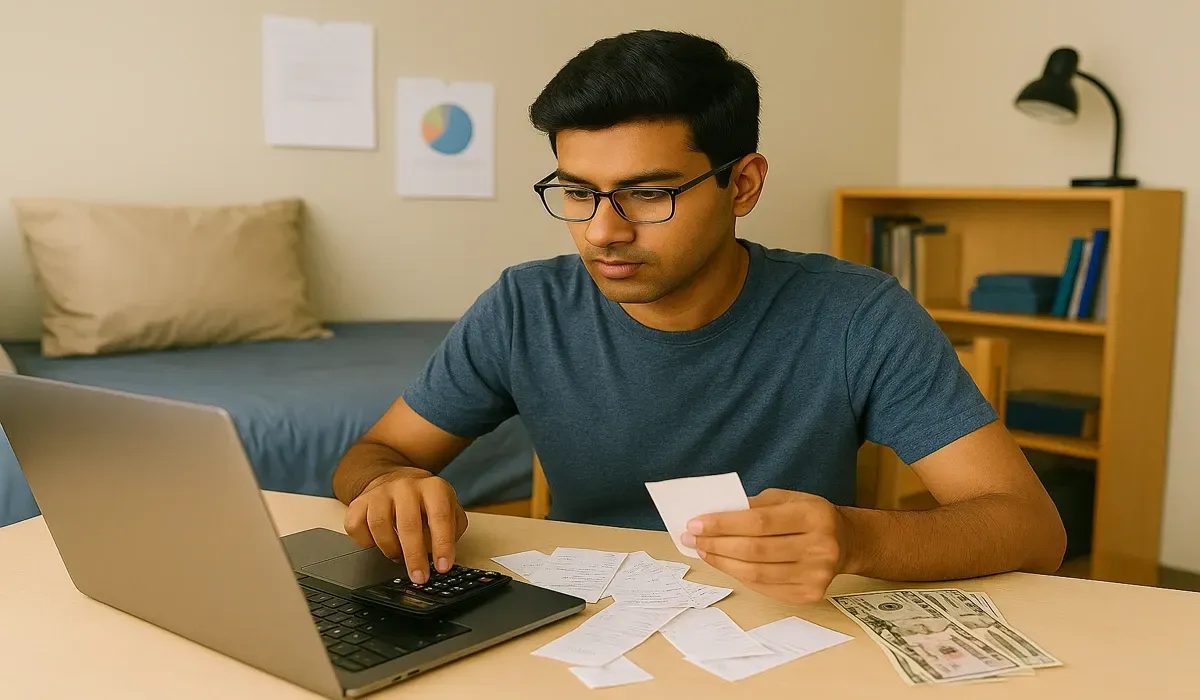
The hidden costs of studying in USA can surprise even the most well-prepared Indian families. While tuition fees are widely known—often between $25,000 and $55,000 per year—many overlook essential, recurring, or unexpected expenses that can inflate the total budget by 15–30%.
From healthcare insurance and technology fees to visa renewals and everyday living, these hidden costs can quickly accumulate if not planned early. Awareness of these details is the key to financial stability during your academic journey.
- Expect an additional 15–30% of your annual budget in hidden or indirect costs.
- Key overlooked expenses include healthcare, visa renewals, housing deposits, and campus fees.
- Early financial planning and expense tracking tools can prevent financial strain abroad.
What Are the Hidden Costs of Studying in USA?
“Hidden costs” refer to expenses not clearly outlined in university brochures or tuition invoices but still necessary for living, studying, and maintaining visa compliance in the U.S.
These often include:
- One-time setup costs (e.g., bedding, kitchenware, phone plans)
- Recurring academic or living expenses (e.g., health insurance, transport, internet)
- Unexpected or variable costs (e.g., emergencies, visa extensions, currency fluctuations)
According to the Open Doors Report 2024, over 268,000 Indian students are studying in the U.S., and 61% reported underestimating total annual expenses by at least $3,000–$5,000 in their first year.
Why Understanding Hidden Costs Matters
- Budget Accuracy:
Unplanned expenses can force students into financial stress or part-time overwork. - Visa Compliance:
Maintaining proof of sufficient funds is mandatory for visa renewals and OPT extensions. - Mental Well-being:
Constant financial anxiety can affect academic focus and adjustment abroad. - Long-Term Savings:
Knowing hidden costs allows families to optimize remittance, banking, and scholarship strategies.
How Much Do Hidden Costs Add Up to?
| Category | Estimated Annual Cost (USD) | Frequency |
|---|---|---|
| Health Insurance | $1,500–$2,500 | Annual |
| Housing Setup & Deposit | $800–$1,500 | One-time |
| Campus Fees & Supplies | $600–$1,000 | Per semester |
| Transportation (local) | $600–$900 | Annual |
| Technology & Connectivity | $400–$700 | Annual |
| Visa & SEVIS Renewals | $500–$800 | Periodic |
| Personal & Misc. | $1,000–$2,000 | Annual |
| Total Hidden Costs | $5,400–$9,400 |
Source: NAFSA International Student Expenditure Report, 2024.
1. Health Insurance and Medical Costs
Health insurance is mandatory for international students in most U.S. universities. Many underestimate how expensive the American healthcare system is.
- University Plan Cost: $1,800–$2,500 per year
- Private Insurance Alternative: $1,000–$1,800 per year
- Doctor Consultation (without insurance): $120–$250 per visit
Tip: Compare your university plan with private providers like ISO, Compass, or PSI to balance cost and coverage.
2. Housing Setup and Utility Deposits

Rent is not your only housing expense. The first month often includes security deposits, furniture purchases, and utility activation fees.
- Security Deposit: 1–2 months’ rent
- Furniture & Bedding: $300–$600
- Utilities Setup (electricity, Wi-Fi): $100–$200
Pro Tip: Join student marketplaces or Facebook “Buy & Sell” groups to find affordable second-hand items.
3. University & Technology Fees
Many U.S. institutions charge mandatory campus or technology fees not visible in tuition estimates.
- Campus Fee: $150–$400 per semester
- Technology Fee: $100–$250 per semester
- Printing, Lab, and Exam Materials: $50–$100 per term
These can add up to nearly $1,000 annually, depending on the university.
4. Visa, SEVIS, and Renewal Costs
Every Indian student must maintain visa compliance.
- F-1 Visa Application Fee: $185
- SEVIS Fee (I-901): $350
- Visa Renewal / Travel Costs: $500–$800 every few years
Additionally, students applying for OPT (Optional Practical Training) after graduation pay a $410 USCIS filing fee.
5. Local Transportation and Commute
Even in university towns, public transport and mobility expenses add up.
- Bus Passes: $30–$50/month
- Rideshares or Taxis: $10–$20 per trip
- Occasional Flights or Trips: $300–$600 per year
Many campuses offer discounted student passes, so always check university transit services.
6. Books, Subscriptions, and Software
Textbooks can cost up to $100–$200 each, and many courses require paid software access.
- Average Textbook Budget: $600–$1,000 per year
- Software Licenses (SPSS, MATLAB, Adobe): $200–$400 annually
- Academic Subscriptions: $50–$150
Use platforms like Chegg, VitalSource, or university e-libraries to cut costs by up to 70%.
7. Currency Exchange and Banking Fees
Transferring money internationally often incurs hidden exchange markups and wire fees.
- Exchange Rate Markup: 1–3% per transaction
- Wire Transfer Fee: $20–$40 per transfer
- ATM Withdrawal Fees: $3–$5 per transaction
Solution: Use transparent transfer platforms like Wise or ICICI Money2World.
8. Lifestyle and Cultural Adjustment Costs
Students often overlook social, cultural, and lifestyle spending that contributes to networking and emotional well-being.
- Weekend Dining & Coffee: $80–$120/month
- Travel or Events: $500–$1,000 per year
- Clothing (seasonal): $200–$400
Budgeting for this category is crucial for overall quality of life.
9. Emergency and Healthcare Extras
Unexpected emergencies (medical, dental, or travel-related) can cause major financial setbacks.
- Dental Treatments: $100–$500
- Prescription Drugs: $40–$100 per month
- Emergency Room Visits: $700–$2,000
Consider a contingency fund of $1,000–$1,500 accessible through your U.S. bank account.
10. Post-Graduation Costs (OPT, H-1B, Travel)
Transitioning from student life to work or homecoming involves additional costs.
- OPT Application Fee: $410
- Travel Tickets: $1,000+ for India–USA
- H-1B Filing or Legal Fees (if applicable): $1,000–$3,000
Understanding these ensures smoother transitions after graduation.
How Can Indian Students Plan for These Hidden Costs?
1. Create a Realistic Annual Budget
Include a 25% “unseen expense” buffer.
2. Use U.S. Student Banking
Opt for no-foreign-fee accounts (Chase College, Bank of America Student).
3. Track Spending Digitally
Apps like Mint, Splitwise, and Wise help monitor daily spending.
4. Choose Affordable Housing Early
Start searching 3–4 months before arrival to avoid last-minute surcharges.
5. Buy Health Insurance Smartly
Compare coverage levels before accepting university default plans.
Common Mistakes and Myths
Myth 1: Scholarships cover everything.
Reality: Most cover tuition only, not living or visa costs.
Myth 2: Working part-time can pay for all expenses.
Reality: Campus jobs help but rarely exceed $800/month.
Mistake: Ignoring exchange rate volatility.
Tip: Always keep a dollar-denominated reserve to offset INR fluctuations.
Case Studies / Expert Insights
Case 1: Aditi, Purdue University
Aditi budgeted $40,000 for her first year but spent an extra $4,800 due to health insurance and transportation costs.
Case 2: Rohit, NYU
Rohit underestimated setup costs—spent $1,200 on basic furniture and security deposits in the first two weeks.
Expert Insight:
According to NAFSA (2024), “Unplanned non-tuition expenses are the leading cause of financial stress among first-year international students.”
Future Trends: Rising Cost Awareness
- Universities Increasing Transparency:
More institutions now publish full cost-of-attendance charts. - AI-Based Financial Tools:
Generative financial apps forecast student budgets and simulate inflation impacts. - Partnership Banking Models:
Fintech companies are collaborating with universities to simplify global money transfers.
FAQs
1. What are the hidden costs of studying in USA for Indian students?
They include health insurance, visa renewals, housing deposits, campus fees, and everyday expenses not listed in tuition.
2. How much extra money should I plan for hidden costs?
Plan for an additional 15–30% above your tuition and living cost estimates.
3. Are healthcare costs really that high?
Yes, without insurance, a single emergency can cost thousands of dollars. Always keep valid coverage.
4. Can part-time work cover hidden costs?
It helps offset small expenses but not major ones like insurance or rent.
5. Do scholarships reduce these hidden expenses?
Most scholarships cover tuition; very few include personal or visa-related costs.
6. How do currency fluctuations affect budgeting?
Exchange rate swings can raise total expense by 5–10%—plan reserves in USD.
7. Which U.S. states are cheaper for Indian students?
Midwestern and Southern states (e.g., Texas, Ohio, Indiana) generally have lower living costs.
Key Takeaways
- The hidden costs of studying in USA can add $5,000–$9,000 annually.
- Health insurance, visa renewals, and housing setup top the list.
- Students should maintain a 25% budget buffer.
- Using student banking and digital budgeting tools prevents overspending.
- Awareness and planning improve financial independence abroad.
Conclusion
Understanding the hidden costs of studying in USA is essential for every Indian student planning their academic journey abroad. Beyond tuition, these expenses influence lifestyle, mental health, and academic success.
Careful research, realistic budgeting, and open discussions with advisors can turn a potentially stressful experience into a financially secure one.