Can India Learn from America’s Green Auto Revolution?
This analysis of America’s green auto revolution explores the policies, incentives, and innovations driving the shift to clean mobility—revealing what India can adopt to accelerate its own sustainable transport future.

Introduction
Green Auto Policies in USA are rewriting the global rulebook on clean transportation. From electric highways to zero-emission mandates, America is turning its cars into climate warriors. But what if India could borrow this momentum — and adapt it to its own fast-growing, chaotic, and inspiring mobility landscape?
Today’s auto revolution isn’t just about vehicles — it’s about vision. America is accelerating toward a net-zero future with a mix of smart policy, bold incentives, and private innovation. The question for India is: how fast can we catch up — or even leap ahead?
Key Takeaways:
- The U.S. is leading the green auto movement through policy-driven innovation.
- India can localize similar models for EVs, infrastructure, and emission control.
- Future mobility depends on aligning incentives, technology, and public will.
What Are Green Auto Policies in the USA?
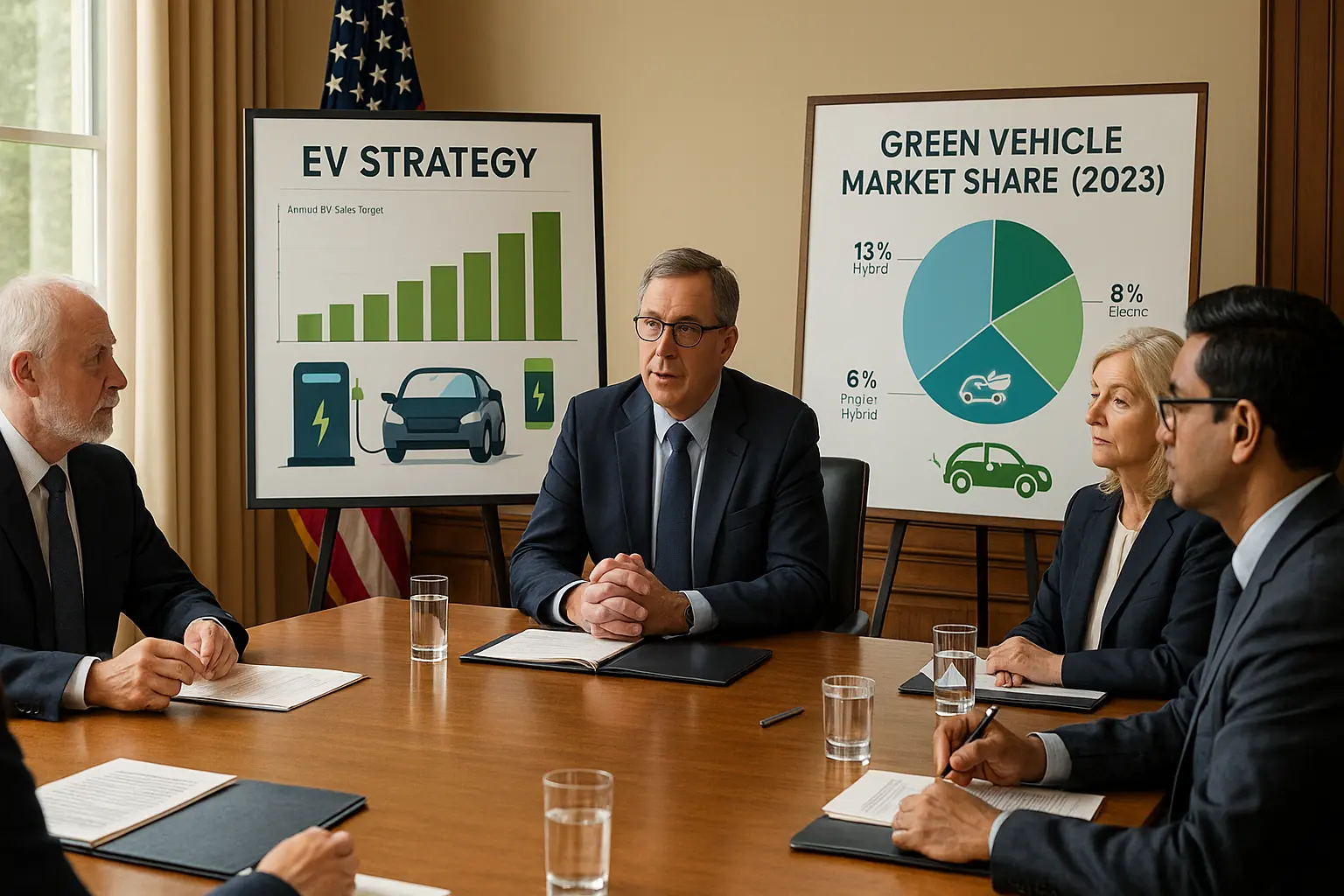
At its heart, green auto policy means transforming how a nation drives — not just the cars themselves. In the USA, this transformation involves laws and programs that reward cleaner manufacturing, electric mobility, and energy-efficient design.
These policies are built on three pillars:
- Regulation: Tougher fuel economy and emission standards.
- Incentives: Rebates, tax breaks, and subsidies for EV makers and buyers.
- Infrastructure: Nationwide charging networks, renewable energy grids, and cleaner fuel alternatives.
America’s green auto policies aren’t just environmental measures — they’re economic and strategic ones, positioning the U.S. as a clean-tech leader for the next industrial age.

$500 Walmart Gift Card
Some users qualify for a $500 Walmart gift card. You can check if you qualify.
Why It Matters for India
India stands at a similar crossroads the U.S. faced a decade ago: rising vehicle ownership, choking emissions, and energy dependence on fossil fuels.
Here’s why these policies matter to India’s future:
- Urban survival: India’s cities rank among the most polluted in the world. Transitioning to cleaner transport is a health necessity.
- Economic opportunity: A strong EV and clean fuel ecosystem can generate millions of green jobs.
- Energy independence: EV policies can reduce India’s massive oil import bill.
- Global positioning: By mirroring and innovating beyond the U.S. model, India can emerge as the clean mobility hub of the Global South.
The U.S. model shows that strong regulation plus incentives can drive rapid change — if implemented with long-term political will.
How the U.S. Is Leading the Green Auto Revolution
1. From Gas Guzzlers to Green Giants
For decades, American highways were dominated by SUVs and muscle cars. Today, that’s changing fast. U.S. policies now push automakers to electrify fleets, cut emissions, and innovate faster than ever before.
2. Electric First: A Strategic Shift
Federal and state programs reward EV production and penalize carbon-heavy vehicles. Buyers receive credits for electric purchases, while automakers gain incentives for clean manufacturing.
3. Charging the Future
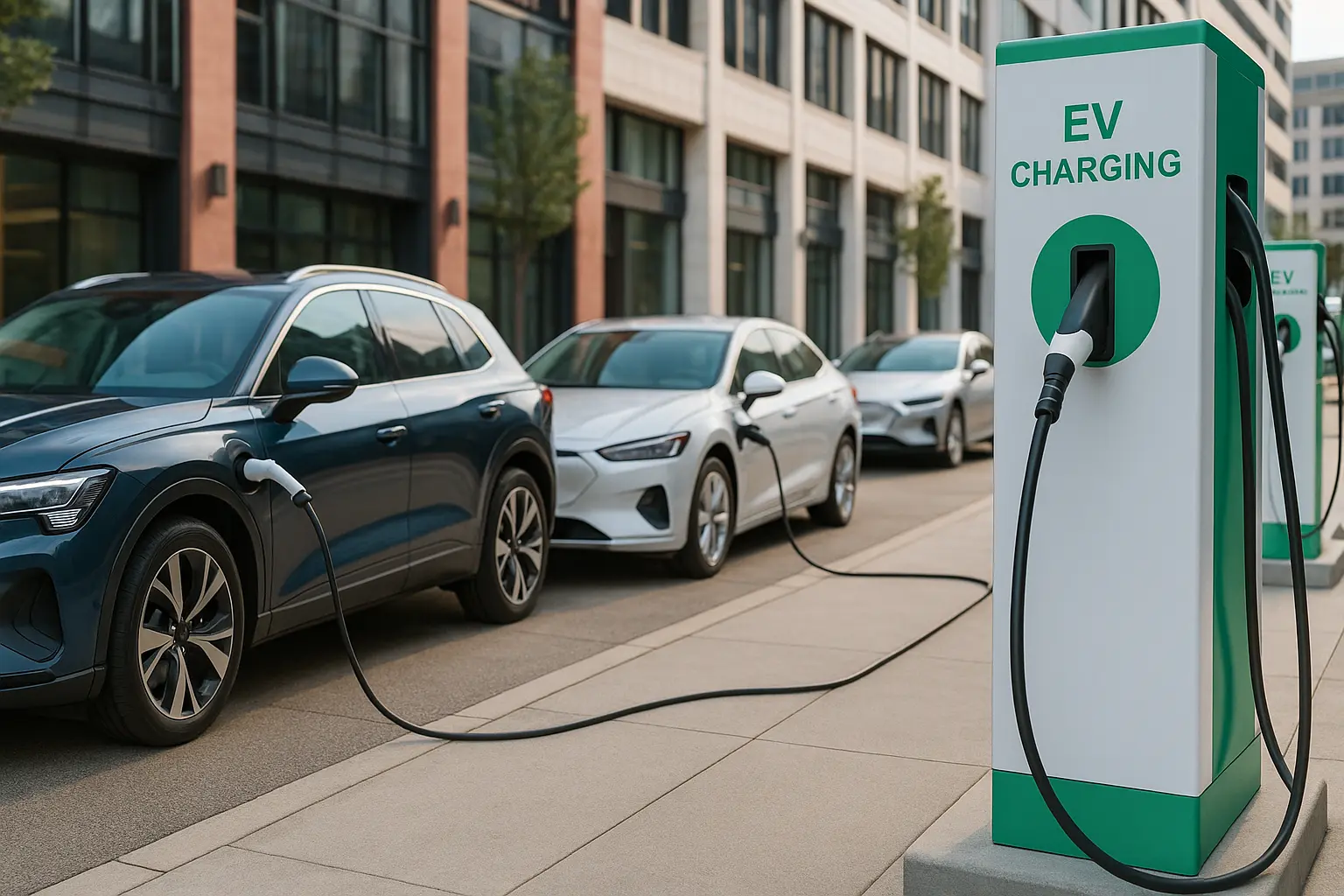
The government’s national charging network plan ensures drivers can cross the country without fuel anxiety. Every 50 miles, there’s an EV station waiting — symbolic of how infrastructure builds trust.
4. Corporate Commitments
American automakers like Ford, Tesla, and GM have pledged to go fully electric by 2035. These private commitments, backed by government regulation, make the change irreversible.
5. Green Auto Insurance
New “eco-insurance” models reward low-carbon vehicle owners with lower premiums, combining financial savings with environmental responsibility.
What India Can Learn from the U.S. Model
Lesson 1: Start with Policy, Not Technology
India doesn’t need to wait for perfect EV tech. Policy clarity — tax structures, subsidies, and long-term targets — drives innovation organically.
Lesson 2: Localize the Incentive Game
Instead of copying U.S. tax credits, India can offer differential road tax rebates, toll exemptions, and charging discounts to early EV adopters.
Lesson 3: Empower State Governments
Much like U.S. states such as California lead policy, Indian states like Delhi, Maharashtra, and Tamil Nadu can pioneer green auto zones.
Lesson 4: Integrate Energy & Transport Planning
The real U.S. advantage lies in connecting transport with clean energy. India can follow suit by linking EV growth with solar and battery storage investments.
Lesson 5: Make Clean Mobility Cool
The U.S. sells sustainability through lifestyle marketing — sleek, desirable EVs. India’s automakers can build similar aspirational value, shifting green from “good” to “great.”
How India Can Build Its Own Green Auto Roadmap
- Adopt long-term zero-emission targets – Commit to full EV transition in passenger vehicles by 2040.
- Build a national EV infrastructure grid – Public-private partnerships for charging highways and cities.
- Launch “Green Auto Policy 2030” – Combining incentives, penalties, and local manufacturing mandates.
- Introduce green auto insurance – Reward eco-friendly ownership and responsible driving.
- Educate the market – Awareness drives adoption. Campaigns should link clean cars to health and national pride.
India’s mobility revolution will not come from copying — it will come from adapting.
Common Myths About Green Auto Policies
Myth 1: Green policies slow economic growth
Reality: They create new industries — from batteries to software to logistics.
Myth 2: Electric vehicles are too costly
Reality: Cost parity is near; incentives make EVs increasingly affordable.
Myth 3: India isn’t ready for EVs
Reality: India’s startup ecosystem is already building scalable charging, recycling, and financing models.
Myth 4: These policies only help big cities
Reality: Rural electrification can extend benefits far beyond metros, enabling inclusive mobility growth.
Expert Perspective
Experts argue that India’s moment mirrors America’s post-2010 EV evolution. The U.S. faced skepticism, infrastructure challenges, and affordability gaps — yet turned policy into progress through persistence and partnership.
For India, replicating this success requires one thing: consistency. A ten-year vision aligned with energy, climate, and industrial policy could make India a green auto leader rather than a follower.
Automotive think tanks believe that if India implements even half of the U.S. model with local customization, its cities could witness a 30–40% emission reduction by 2040 — while creating millions of skilled jobs.

$750 Cash App Gift Card
Some users qualify for a $750 Cash App gift card. You can check if you qualify.
FAQs
Q1. What are green auto policies in USA?
They are government-led programs encouraging electric vehicles, emission-free engines, and clean transport infrastructure through regulation and incentives.
Q2. How can India benefit from such policies?
By adopting EV incentives, emission targets, and green financing models that attract private investment and reduce pollution.
Q3. Are EVs truly sustainable for India’s grid?
By adopting EV incentives, emission targets, and green financing models that attract private investment and reduce pollution.
Q4. Will green policies impact affordability?
Initially, yes, but scale and domestic production lower costs over time, as seen in the U.S. market.
Q5. What should India’s first step be?
Launch a national “Clean Auto Policy 2030” aligning fiscal, energy, and transport ministries under one unified mobility framework.
Key Takeaways
- Auto Policies in USA showcase how vision, incentives, and innovation can transform mobility ecosystems.
- India can localize these models through focused incentives, clear regulation, and integrated energy planning.
- The future of green mobility lies in policy consistency, infrastructure readiness, and cultural change.
- Both nations prove one truth: the car of tomorrow is not just cleaner — it’s smarter, faster, and freer.
Conclusion
The United States is driving a quiet revolution — one that’s reshaping its roads and redefining what “mobility” means. India, too, stands on the edge of transformation. By learning from America’s blueprint while writing its own, India could turn its automotive challenges into global leadership.
Green auto policies aren’t just environmental mandates — they’re economic catalysts. The question isn’t if India can replicate the U.S. model; it’s how fast we choose to move.