Significance of Gandhi Jayanti 2 October — Why India Celebrates Peace & Truth
Discover why the significance of Gandhi Jayanti 2 October endures, highlighting its message of peace, truth, and national reflection. A concise look at the day’s relevance and what it means for modern India.

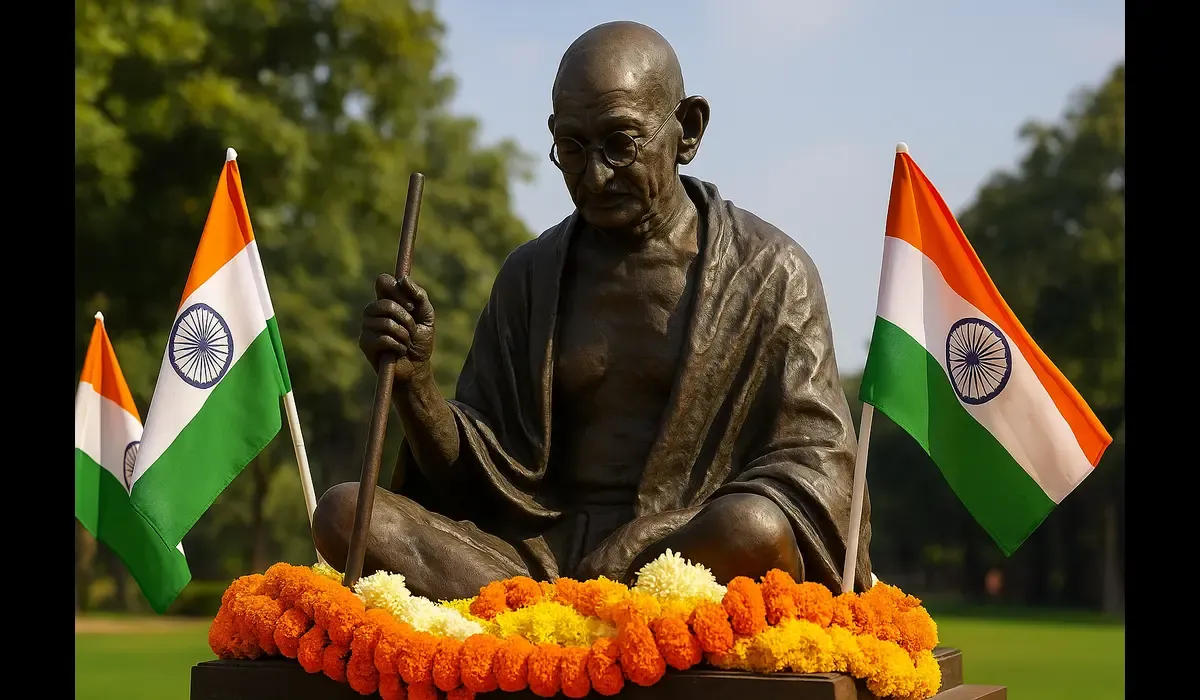
The significance of Gandhi Jayanti 2 October goes far beyond just marking a national holiday. Each year, India pauses to remember the birth anniversary of Mahatma Gandhi — the Father of the Nation — who inspired millions with his values of truth (Satya), non-violence (Ahimsa), and selfless service. Gandhi Jayanti is not just about looking back at history but about reaffirming moral courage and civic responsibility in today’s world.
- Gandhi Jayanti marks Mahatma Gandhi’s birth anniversary on October 2.
- It reminds citizens of truth, peace, and non-violence.
- Celebrated nationwide with tributes, prayers, and social service.
What is Gandhi Jayanti?
Gandhi Jayanti is observed every 2 October to honor Mahatma Gandhi, who led India’s struggle for independence through non-violent means. It is a national holiday, recognized not only in India but also by the United Nations as the International Day of Non-Violence. On this day, schools, government institutions, and citizens reflect on Gandhi’s timeless teachings.
Latest Observance & National Initiatives
Every year, the Government of India organizes official programs to celebrate Gandhi Jayanti:
- Raj Ghat Ceremony, New Delhi — The President, Prime Minister, and other leaders pay floral tributes at Gandhi’s memorial.
- Prayer Meetings & Bhajans — “Vaishnava Jana To” and other songs loved by Gandhi are sung.
- Swachh Bharat Abhiyan Drives — Inspired by Gandhi’s emphasis on cleanliness and self-reliance.
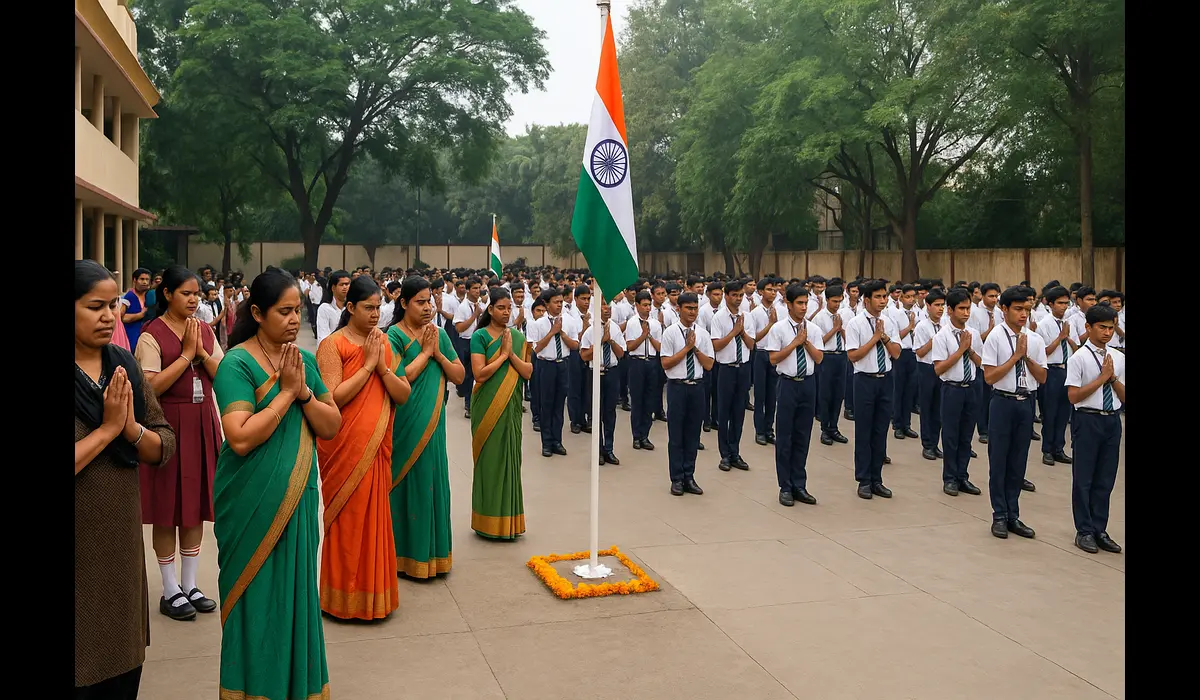
- Educational Activities — Students participate in debates, essay writing, and art contests about non-violence and peace.
2025 will see a renewed focus on sustainable living, echoing Gandhi’s belief in simple, self-sufficient lifestyles.
Historical Significance & Gandhi’s Ideals
Understanding the significance of Gandhi Jayanti 2 October requires looking at Gandhi’s life mission:
- Truth (Satya): Gandhi believed truth is the foundation of morality and social justice.
- Non-Violence (Ahimsa): He rejected violence in every form and used peaceful resistance to challenge injustice.
- Self-Reliance (Swadeshi): Gandhi advocated for local production and reduced dependence on foreign goods.
- Equality: He fought against caste discrimination and untouchability.
These values shaped India’s freedom struggle and continue to inspire global human rights movements.
Why Gandhi Jayanti Matters Today
Gandhi Jayanti remains relevant, even in 2025, because:
- Rising Social Tensions: Gandhi’s call for harmony is crucial for unity in a diverse society.
- Environmental Concerns: His vision of minimalism and sustainability fits modern eco-friendly efforts.
- Global Peace Movement: Non-violent activism remains a strong method for change worldwide.
For younger generations, this day is a chance to rediscover principles that go beyond politics and are deeply human.
How People Celebrate Gandhi Jayanti
Across India, the day is observed through simple but meaningful acts:
- Educational Programs: Schools organize skits and speeches on Gandhi’s life.
- Social Service: Blood donation camps, tree planting, and community clean-ups.
- Public Tributes: Cultural programs and exhibitions on India’s freedom struggle.
- Digital Campaigns: Sharing Gandhi quotes and messages of peace on social media.
Practical Takeaways — Living Gandhi’s Values
You can make Gandhi Jayanti meaningful by:
- Practicing Non-Violence Daily: Avoid hate speech online and promote respectful dialogue.
- Volunteering for Social Good: Join cleanliness drives, donate clothes, or help underprivileged children.
- Adopting Simplicity: Reduce unnecessary consumption and waste.
- Learning Gandhi’s Philosophy: Read his books like Hind Swaraj and The Story of My Experiments with Truth.
FAQs — Significance of Gandhi Jayanti 2 October
Q1. Why is Gandhi Jayanti celebrated on 2 October?
It marks Mahatma Gandhi’s birth anniversary, honoring his role in India’s freedom movement and his message of non-violence.
Q2. Is Gandhi Jayanti a national holiday?
Yes, it’s a national holiday across India, with government offices, banks, and schools closed.
Q3. Why did the UN declare October 2 as International Day of Non-Violence?
The UN recognized Gandhi’s non-violent philosophy as a global tool for peace and social change.
Q4. How can students celebrate Gandhi Jayanti?
Students can join debates, skits, art competitions, or community service to learn and spread Gandhi’s values.
Key Takeaways
- The significance of Gandhi Jayanti 2 October lies in honoring truth and non-violence.
- Celebrated across India with tributes, social work, and educational programs.
- Recognized globally as the International Day of Non-Violence.
- A reminder to practice compassion and equality daily.
Conclusion
The significance of Gandhi Jayanti 2 October is timeless — it’s not just about remembering Mahatma Gandhi but living his teachings in everyday life. In 2025 and beyond, his principles of truth, peace, and social justice remain a guiding light for India and the world.