What Can India Really Learn from USA’s Electric Car Future?
This analysis of the USA’s electric car future lessons for India breaks down charging growth, policy support, and tech innovation—revealing the key insights India can use to accelerate its own EV revolution.

Introduction
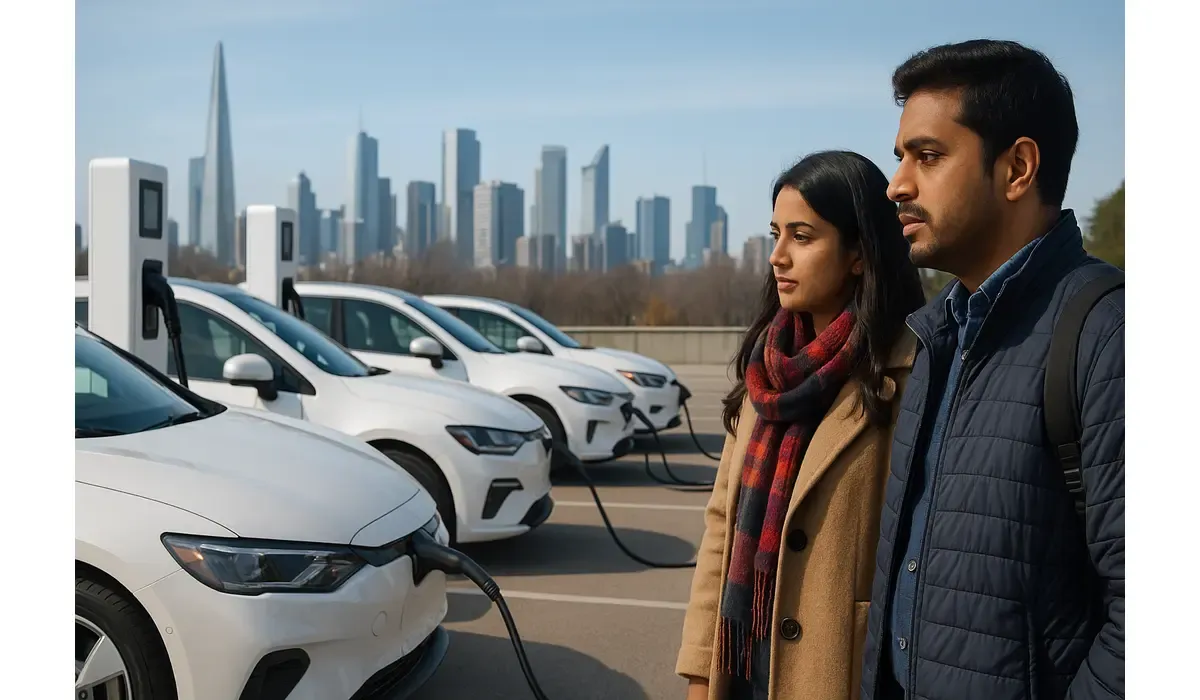
The future of electric cars in USA: lessons India can learn has become one of the most relevant conversations in sustainable mobility today. With the U.S. aggressively pushing toward an electric future and India aspiring to reduce dependence on fossil fuels, both countries stand at pivotal crossroads.
The U.S. electric vehicle (EV) industry is rapidly expanding—Tesla leads innovations, major automakers like Ford and GM have committed billions, and federal policies encourage adoption. For India, where the EV market is still in its nascent stage, understanding these developments provides a valuable roadmap.
Key Takeaways:
- USA is ahead in EV adoption, infrastructure, and policies.
- India can learn lessons in charging networks, incentives, and battery R&D.
- Both nations share challenges: affordability, grid readiness, and consumer awareness.
What Is the Future of Electric Cars in USA?
The future of electric cars in the U.S. refers to the nation’s transition from fossil-fuel vehicles to EVs through:
- Government Policies: Federal tax credits, zero-emission targets, and subsidies.
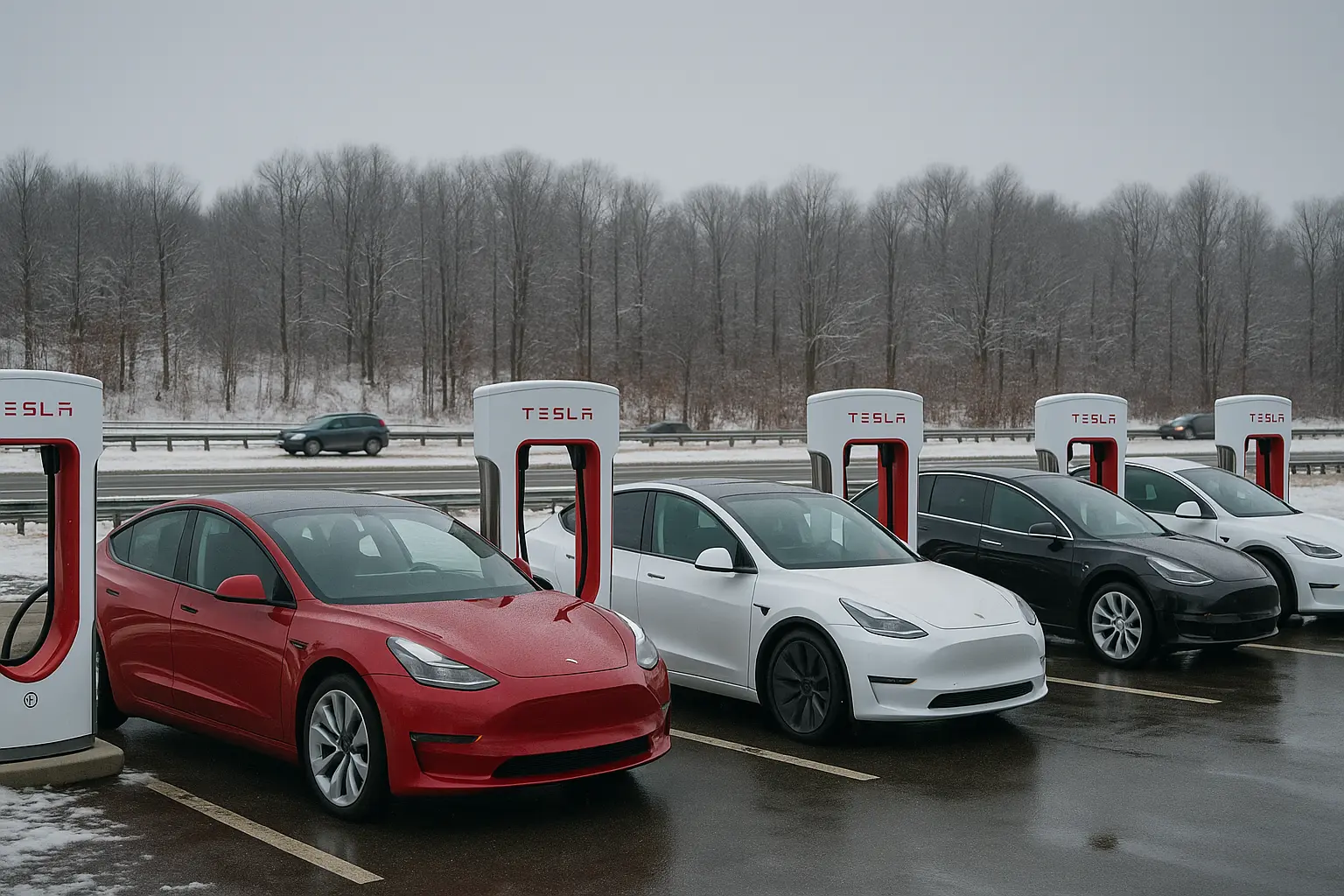
- Infrastructure Growth: Rapid expansion of charging stations nationwide.
- Market Trends: Increased EV production by Tesla, Ford, GM, Rivian, and others.
- Consumer Shift: Growing interest in clean mobility for environmental reasons.
Projections from Bloom berg NEF suggest that by 2040, 54% of all new car sales in the U.S. will be electric.

$750 Amazon Gift Card
Not everyone qualifies for this $750 Amazon gift card. Checking only takes a moment. You can check if you’re eligible.
Why It Matters for India
India is the world’s third-largest automobile market, but EV penetration is under 2%. By learning from U.S. experiences, India can:
- Avoid mistakes like uneven infrastructure rollout.
- Leverage cost-effective models to suit middle-class buyers.
- Boost domestic EV manufacturing aligned with “Make in India.”
- Reduce oil imports and pollution levels in mega-cities.
Thus, India’s EV success story could accelerate by adopting U.S. strategies—while tailoring them to Indian realities.
Key Lessons India Can Learn from the Future of Electric Cars in USA
1. Policy Support Drives Adoption
- U.S. Example: Federal EV tax credits up to $7,500.
- India’s Opportunity: Provide consistent, long-term incentives under FAME (Faster Adoption and Manufacturing of Hybrid and EV) scheme.
2. Infrastructure Is Critical
- U.S. Example: Over 170,000 public charging stations nationwide.
- India’s Opportunity: Expand beyond metros, ensuring highway charging corridors for intercity travel.
3. Consumer Awareness Builds Trust
- U.S. Example: Campaigns promoting clean mobility and cost savings.
- India’s Opportunity: Educate middle-class families about lifetime savings vs. upfront costs.
4. Private Sector Investment Accelerates Growth
- U.S. Example: Tesla, Rivian, GM, and Ford investing billions.
- India’s Opportunity: Encourage Tata Motors, Mahindra, Ola Electric to scale R&D and battery plants.
5. Battery Technology Is the Backbone
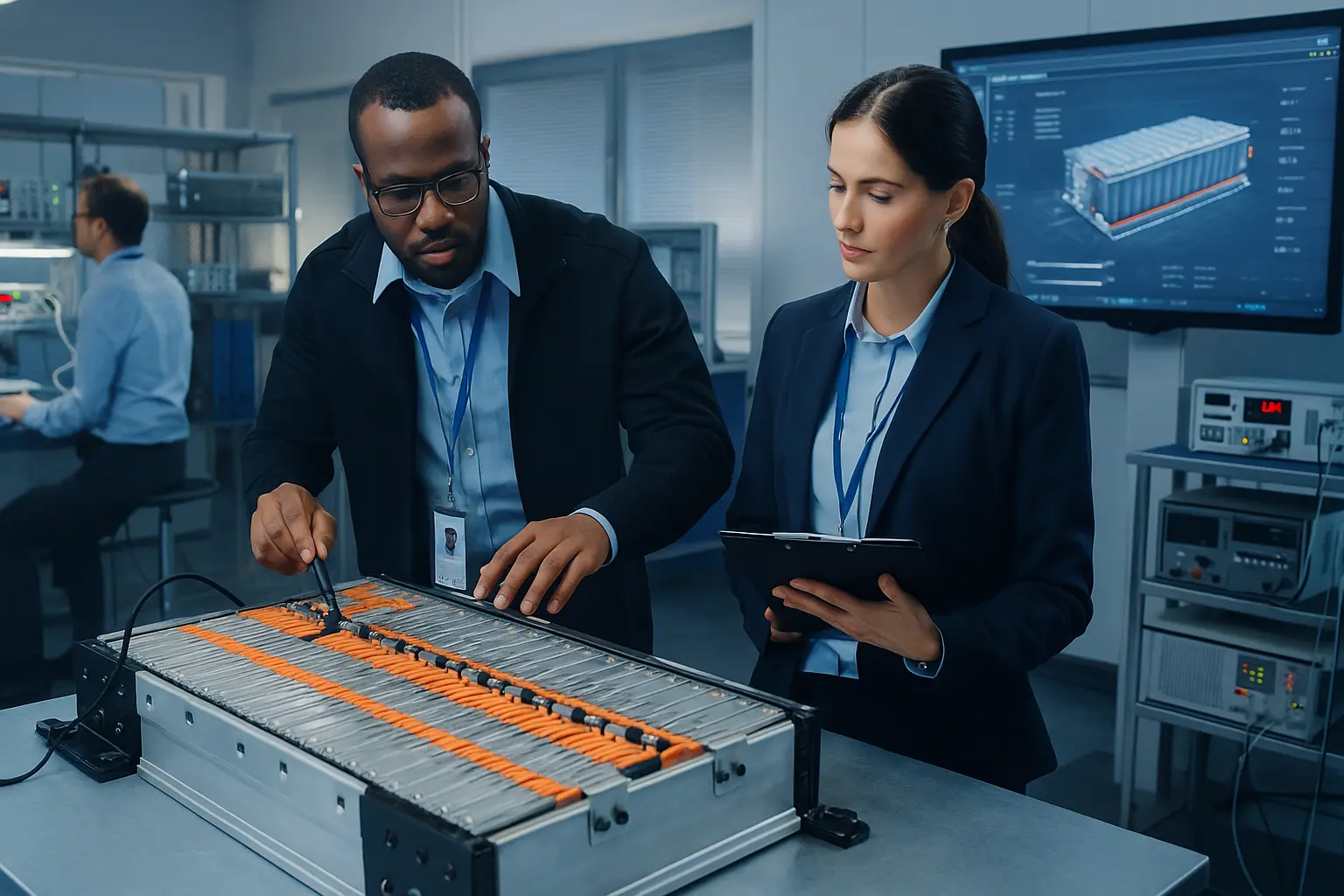
- U.S. Example: Focus on lithium-ion alternatives and recycling.
- India’s Opportunity: Invest in local battery manufacturing under PLI (Production Linked Incentive) schemes.
How Can India Apply USA’s EV Best Practices?
- Create a Nationwide Charging Grid
- Encourage private-public partnerships.
- Deploy fast-charging hubs in Tier-1 and Tier-2 cities.
- Strengthen Financial Incentives
- Provide purchase subsidies.
- Lower GST on EV components.
- Encourage Local Manufacturing
- Reduce import dependence on China.
- Build battery giga-factories in India.
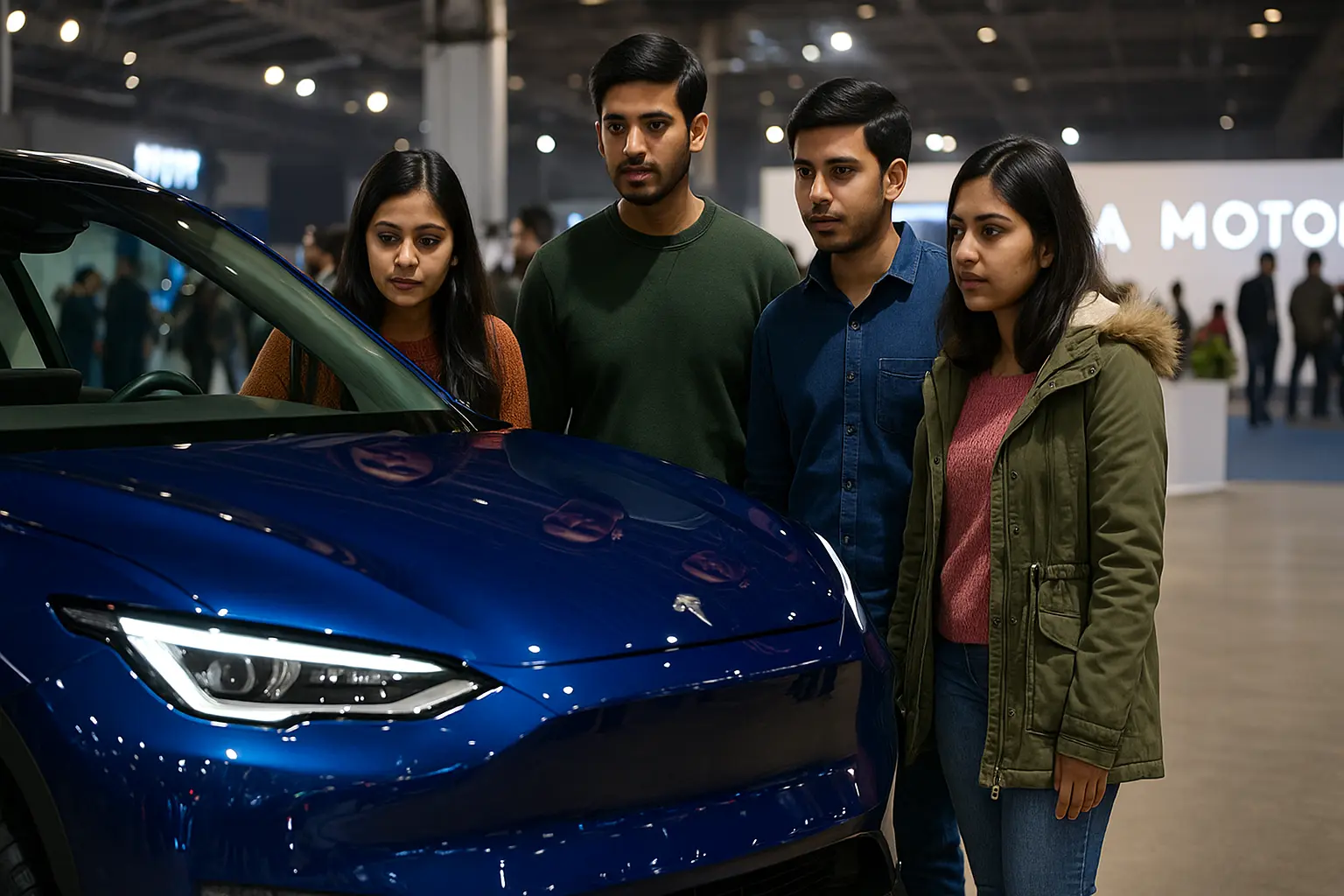
- Promote Awareness Campaigns
- Target Indian youth and urban commuters.
- Showcase real-world case studies of cost savings.
- Adopt Phased Rollouts
- Prioritize cities with severe pollution (Delhi, Mumbai).
- Expand to rural India once infrastructure matures.
What Are the Common Mistakes or Myths About EVs?
- Myth 1: EVs are always more expensive.
Reality: Lifetime ownership cost can be lower than petrol cars. - Myth 2: EVs are slow.
Reality: Tesla and even budget EVs provide high torque and acceleration. - Myth 3: Charging takes forever.
Reality: Fast chargers now power 80% battery in under 30 minutes. - Myth 4: EVs aren’t eco-friendly due to batteries.
Reality: Renewable-powered charging and recycling make EVs cleaner long-term.
Expert Views & Case Studies
- International Energy Agency (IEA): Predicts EV sales in the U.S. will triple by 2030.
- NITI Aayog (India): Projects EVs to form 30% of India’s new car sales by 2030 if policies align.
- Case Study – Tesla: Demonstrates how branding + government incentives drive adoption.
- Case Study – Tata Nexon EV (India): Shows how affordable pricing influences mass adoption.

$500 PayPal Gift Card
Not everyone qualifies for this $500 PayPal gift card. Checking only takes a moment. You can check if you’re eligible.
FAQs
Q1. What is the future of electric cars in USA: lessons India can learn?
A: The U.S. shows how policies, infrastructure, and private investment accelerate EV growth, offering India a model to follow.
Q2. Why is EV adoption faster in the U.S. than India?
A: Stronger incentives, wider charging networks, and early investment by automakers.
Q3. What lessons can India learn from Tesla’s success in the U.S.?
A: Focus on innovation, branding, and affordability to win consumer trust.
Q4. Can India leapfrog the U.S. in EV adoption?
A: Yes—if it aggressively builds infrastructure and reduces costs
Conclusion
The future of electric cars in USA: lessons India can learn proves that India does not need to reinvent the wheel—it must adapt successful models to its unique context. From charging stations to subsidies and from battery R&D to awareness campaigns, India has a chance to fast-track EV adoption.