French government collapses: What led to Bayrou’s Ouster
A concise breakdown of how political rifts, failed reforms, and coalition fractures triggered the French government collapses. This teaser unpacks the turning points behind Bayrou’s ouster and what the fallout means for France’s leadership.
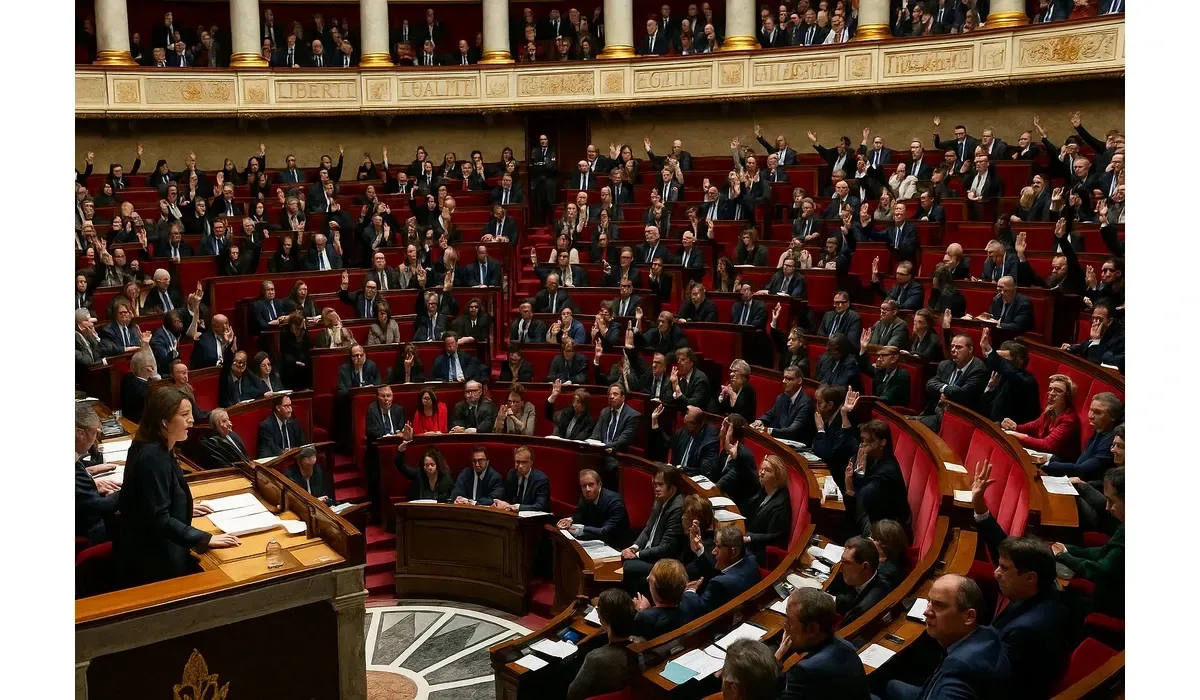
France is in another political crisis. The latest collapse came when Prime Minister François Bayrou lost a no-confidence vote, forcing French government collapses to step aside. President Macron now faces a mounting challenge to find a leader who can hold a fragile Parliament together.
This is more than political drama—it reflects deep tensions over economics, governance, and public trust in French politics.
What Happens When the French Government Collapses
When a government collapses in France:
– The Prime Minister must resign.
– The President must appoint a new PM who can form a working coalition.
– If no stable coalition forms in time, instability and policy paralysis often follow.
In Bayrou’s case, his government lasted just nine months. The confidence vote was driven by opposition to his budget and austerity plans.
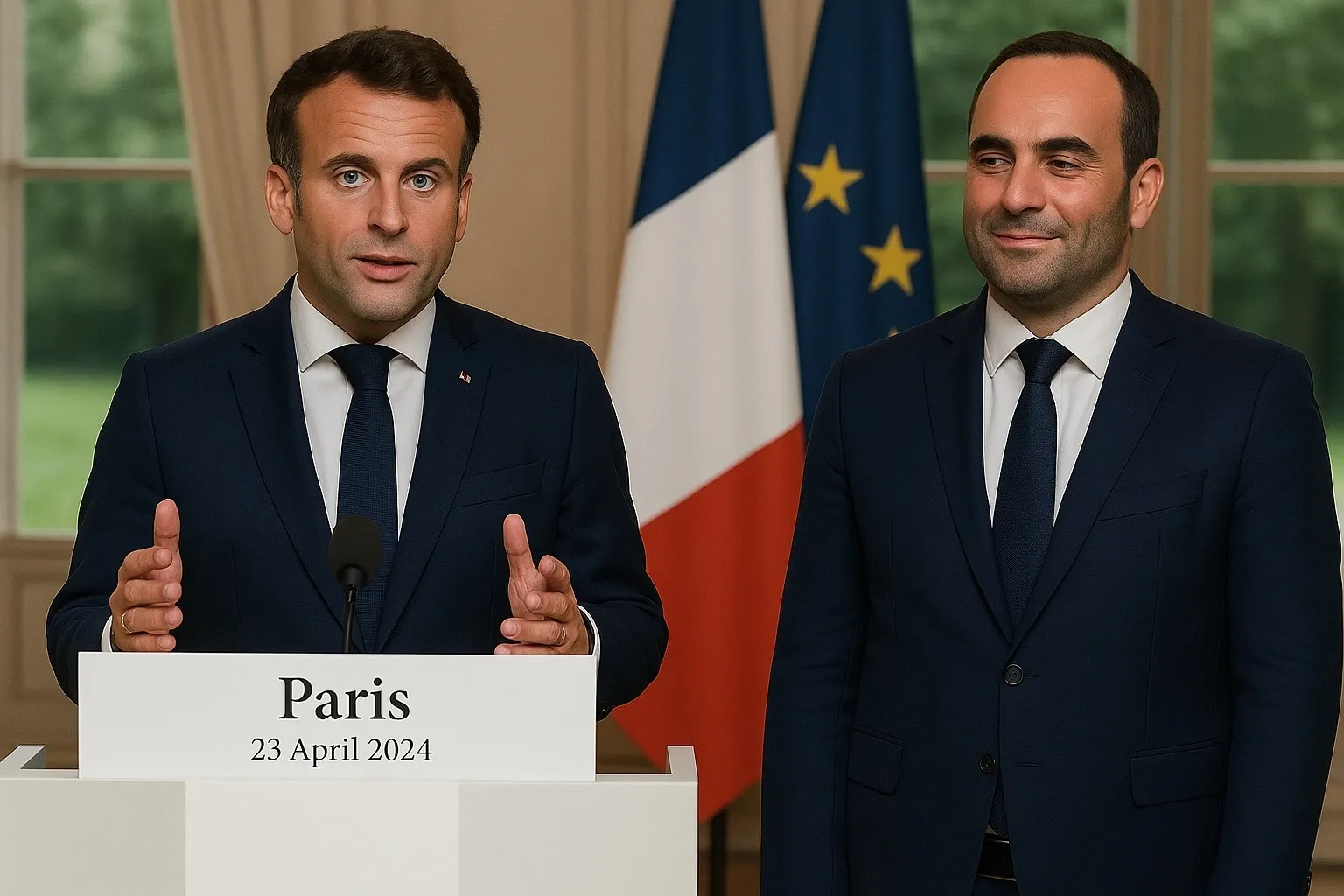
Why the French Government Collapses: Key Reasons
Budget and Debt Pressure
Bayrou pushed for a tough €44 billion plan aiming to reduce spending and raise revenue. Cuts included freezing public sector spending and eliminating two public holidays. These proposals led to widespread resistance.
Hung Parliament and Weak Majorities
Since the 2024 legislative election, no single party or coalition holds a clear majority. That means passing controversial budgets or reforms demands compromise—and compromise has been hard.
Political Fatigue and Public Pushback
Public opposition has grown strong against austerity, especially cuts that affect everyday life. The political environment is fraught with protests, commentary against perceived elitism, and demands for more responsive leadership.
The Vote That Tipped the Balance
– Date: September 8, 2025
– Result: 364 votes against Bayrou, 194 in favor — collapse confirmed
– Outcome: Bayrou resigns, Macron must choose a successor who can win support across fractured Parliament blocs
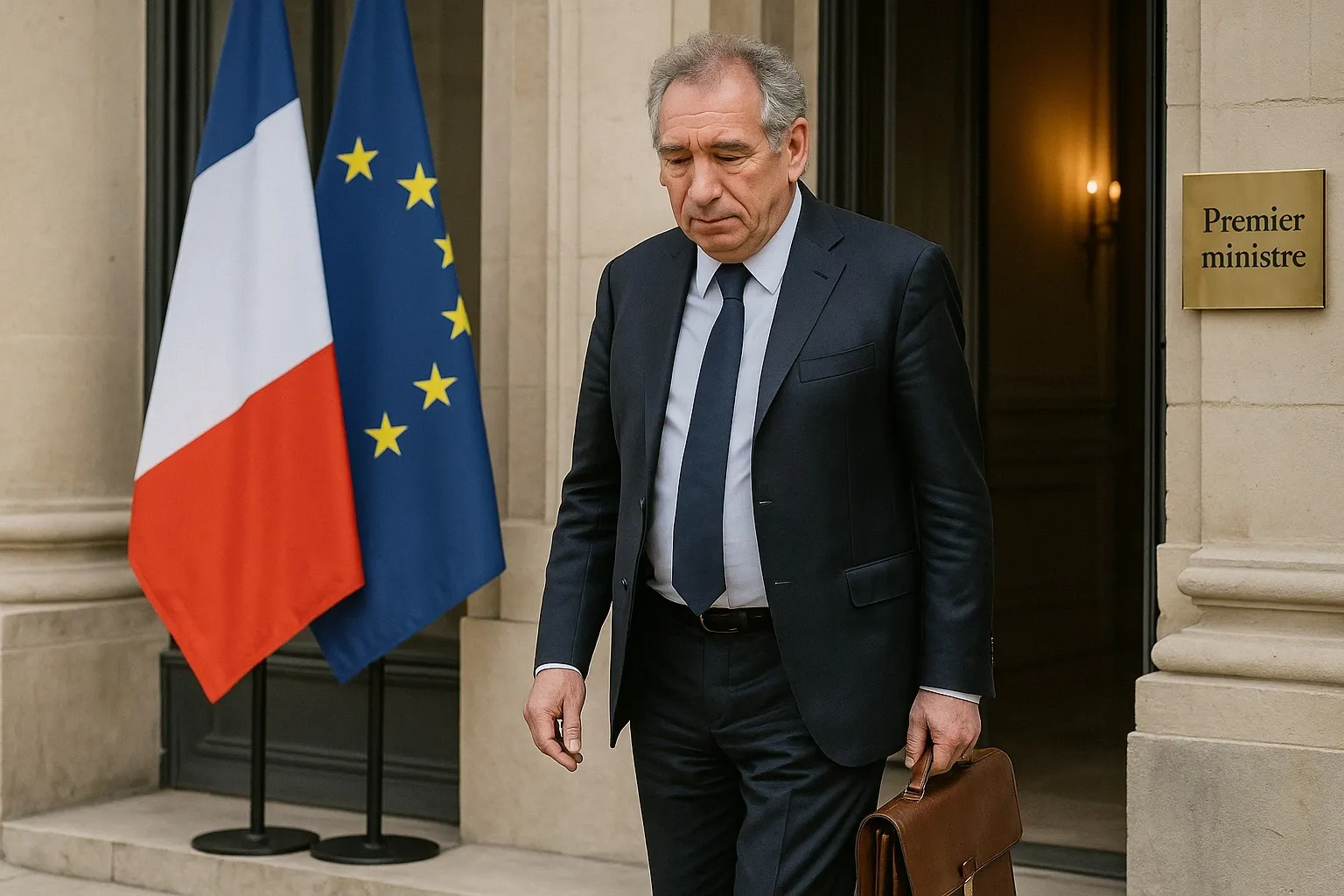
What Comes Next: Macron’s Options
– Appointing a New Prime Minister: Sébastien Lecornu has already been appointed as successor. He faces the huge task of forming a coalition capable of maintaining confidence.
– Negotiating with the Opposition: With opposition voices from both left and right, Bayrou’s proposals failed. Any new government must be willing to compromise.
– Public Trust and Protests: Continuing instability can erode trust. Protests seem likely if the austerity measures don’t soften or if citizens see little improvement in governance.
Pros and Cons of This Collapse
Pros:
– Opens path for fresh leadership and new policy directions.
– Signals accountability: important decisions (like budgets) must win political consensus.
– Helps clarify which factions are strong vs. weak in Parliament.
Cons:
– Short term: policy delays, uncertainty for investors, markets, and citizens.
– Potential for frequent turnovers and instability.
– If reforms are watered down too much, fiscal problems may persist.
Comparisons: French Government Collapses vs Previous Ones
| Case | Duration | Trigger | Outcome |
|---|---|---|---|
| Bayrou Government (2024–2025) | ~9 months | Budget proposals rejected; confidence vote loss | Government collapse → New Prime Minister appointed |
| Barnier Government (2024) | ~3 months | No-confidence motion over budget & policy disagreements | Resigned; continued briefly in caretaker capacity |
| Other Past Collapses | Varied | Policy disputes, lost votes, lack of parliamentary majority | Reshuffled coalitions or interim caretaker administrations |
These comparisons show a pattern: weak parliamentary majorities + contentious reforms = high risk of collapse.
FAQ: French government collapses
Q1: What exactly caused the French government collapses in 2025?
A: The most recent collapse was triggered by PM Bayrou losing a confidence vote due to opposition over proposed austerity budget measures.
Q2: Who is the new Prime Minister now?
A: Sébastien Lecornu has been appointed as the next Prime Minister by President Macron.
Q3: How often has this happened under Macron?
A: Multiple times in recent years. Bayrou’s government was the fourth PM under Macron since his second term started.
Q4: Does this mean new elections are coming?
A: Not immediately. While some opposition leaders call for snap elections, Macron may try to form a stable government first.
Why It Matters / Bottom Line
The repeated French government collapses reveal major structural pressures in France: political fragmentation, financial strain, and public impatience. For citizens, the instability means uncertainty; for Europe, France’s role as a stable partner is under scrutiny.
President Macron’s ability to appoint a PM who can bridge party divides will be critical. The next few weeks will show whether this moment is just another crisis or a turning point for lasting reform.