The Untold Evolution of Avatar: From Wonder to Fire
This exploration of the untold evolution of Avatar traces the franchise’s journey from Pandora’s awe-inspiring beginnings to the darker Fire era—revealing the creative shifts that transformed its world, tone, and future direction.

Introduction: A Revolution That Never Stopped Growing
When James Cameron’s Avatar premiered in 2009, audiences didn’t just watch a film—they stepped into another planet. The Evolution of the Avatar series is more than a sequel timeline; it’s a decade-long experiment in pushing the limits of storytelling, technology, and our emotional connection to fictional worlds.
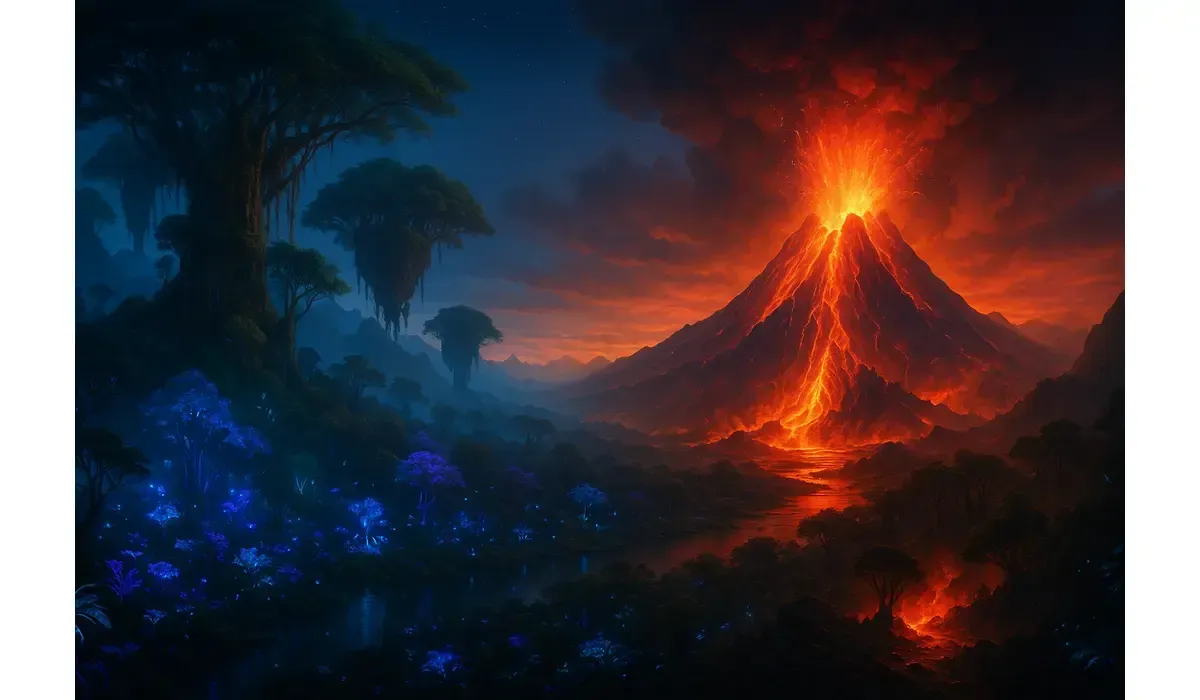
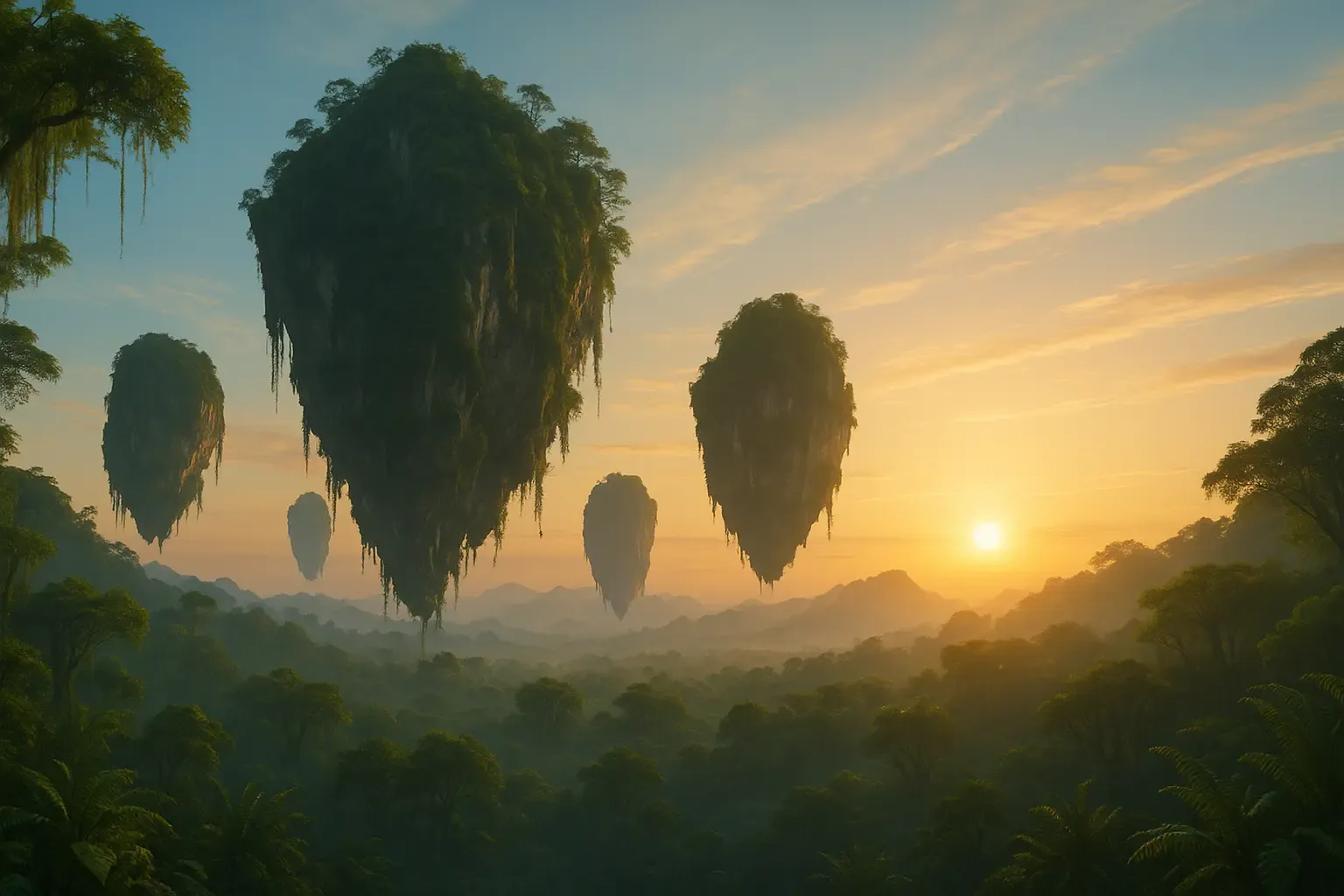
Cameron didn’t merely build Pandora; he engineered a living ecosystem that mirrored Earth’s beauty and fragility. From the floating mountains of Avatar (2009) to the glowing oceans of The Way of Water (2022) and the volcanic prophecy of Fire and Ash (2026), every chapter invites a bigger question: How far can imagination go before it feels real?
Quick Highlights
- The Avatar series reinvented cinematic immersion through never-before-seen 3D and underwater performance capture.
- Each sequel expands Pandora’s map—forests, oceans, and soon, volcanoes.
- Fire and Ash promises to reveal a darker side of Na’vi civilization and human ambition.
What Makes the Evolution of the Avatar Series So Extraordinary?
The Evolution of the Avatar series isn’t just the story of Jake Sully; it’s the story of filmmaking itself evolving in real time.
1. The Beginning: Rewriting the Rules of Cinema (2009)
When Avatar debuted, 3D cinema was a gimmick—until Cameron turned it into immersion. The Na’vi weren’t cartoonish aliens; they breathed, sweated, and loved with uncanny realism. The movie became the highest-grossing film ever, grossing $2.9 billion and proving that technology could serve emotion, not overshadow it.
2. The Rebirth: The Way of Water (2022)
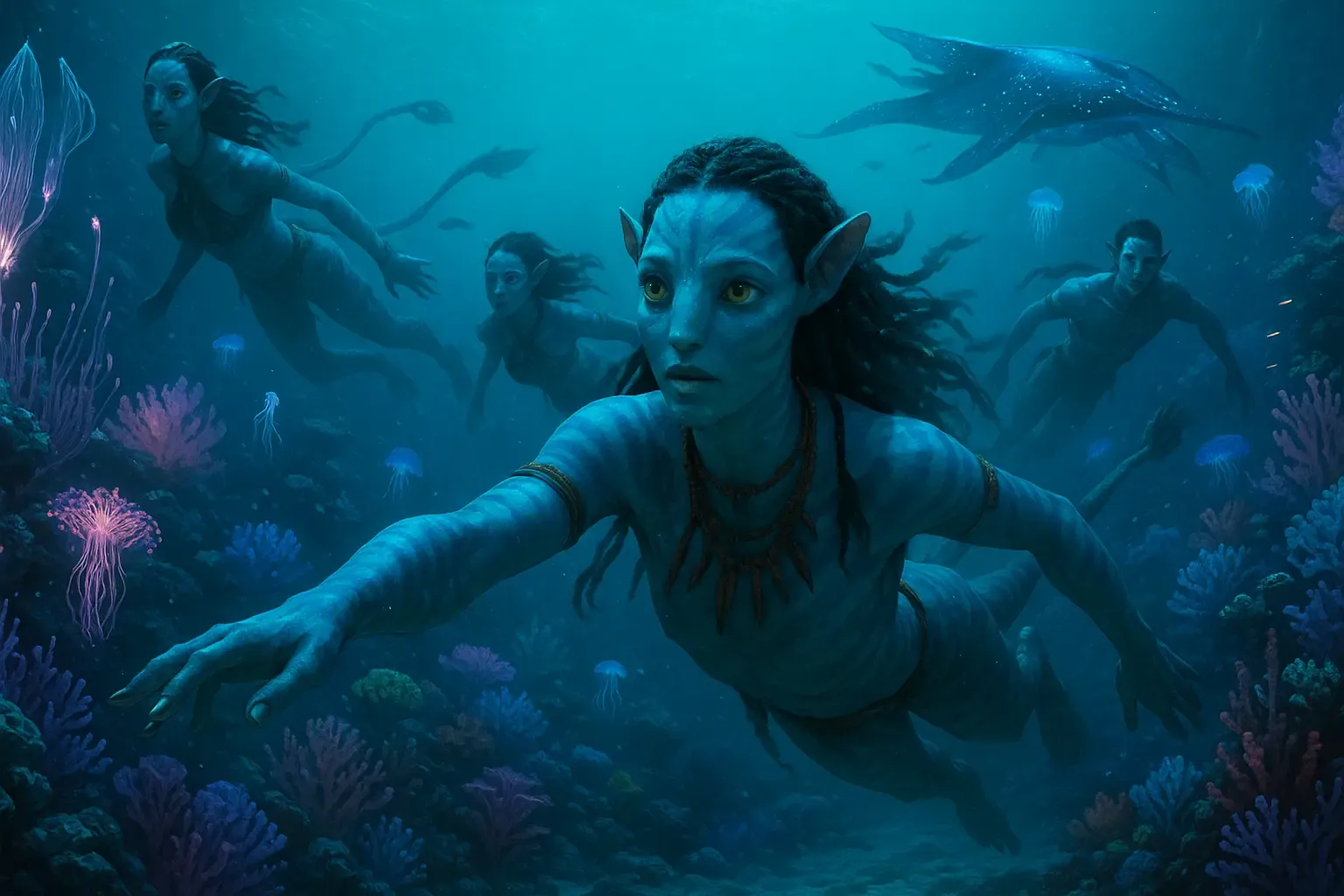
Cameron waited thirteen years not out of hesitation but obsession. He wanted technology that could film underwater performance capture—a feat critics once called “impossible.” The result was a symphony of coral kingdoms, whale-like Tulkuns, and complex family drama that re-humanized a digital world.
3. The Next Frontier: Fire and Ash (2026)
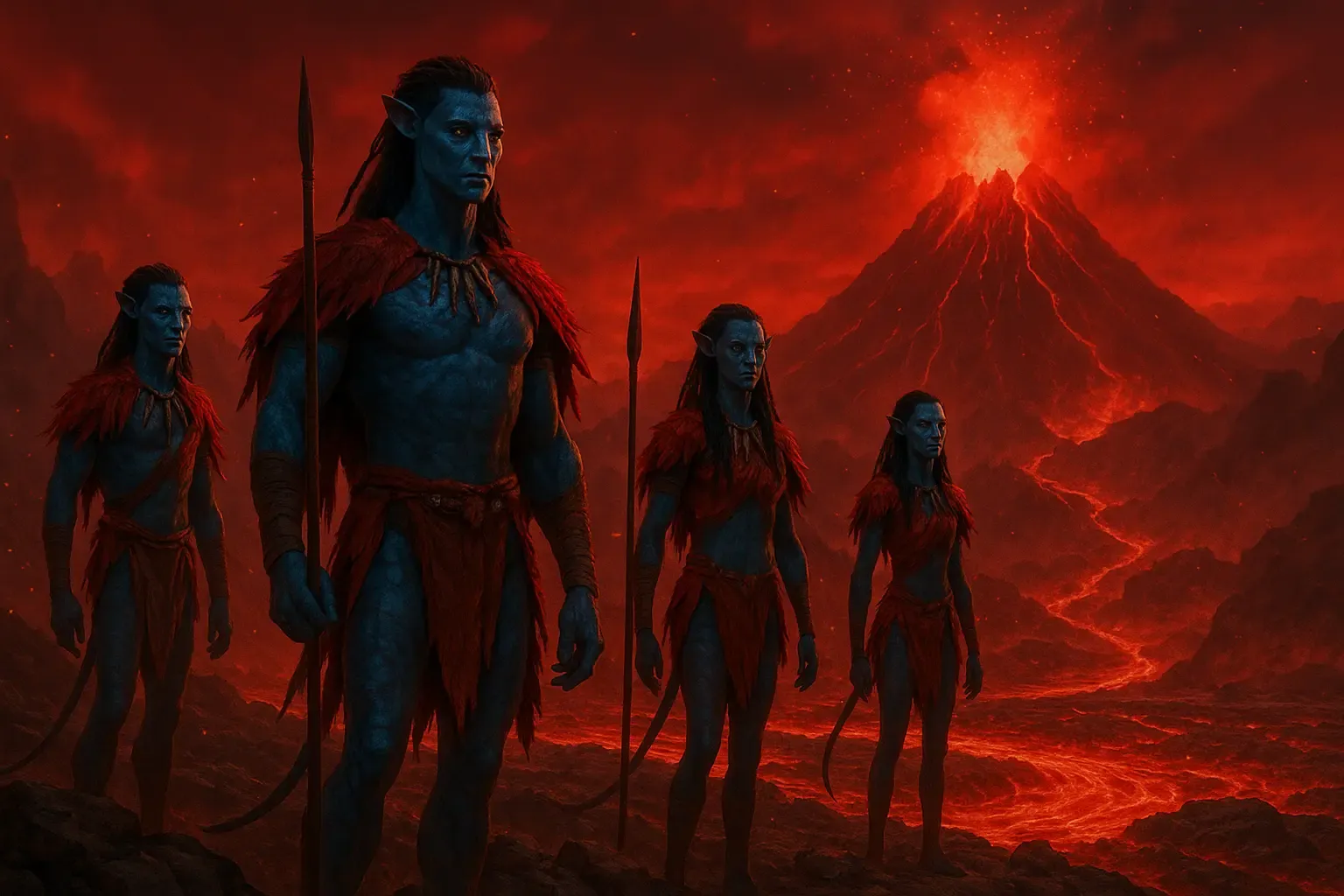
Rumors suggest Fire and Ash will dive into volcanic landscapes and moral grey zones, unveiling a Na’vi tribe shaped by fire instead of forest. Expect new philosophies, new species, and possibly—conflict among the Na’vi themselves.

$500 PayPal Gift Card
Some users qualify for a $500 PayPal gift card. You can check if you qualify.
Why the Avatar Evolution Still Matters Today
Cultural Mirror
Every Avatar film reflects humanity’s paradox: progress versus preservation. The Na’vi’s spiritual connection to Eywa contrasts sharply with our industrial obsession, making Pandora a reflection of Earth’s environmental crossroads.
Technological Leapfrog
Each sequel acts as a tech incubator for the next generation of filmmakers. Motion capture, AI-driven rendering, and virtual-camera techniques first tested on Avatar are now industry standards.
Emotional Engineering
Cameron’s genius lies in emotional realism. Audiences didn’t cry because the world was beautiful—they cried because it felt alive. That emotional authenticity keeps the series timeless.
The Anatomy of the Avatar Universe
| Era | Film | Setting | Core Innovation | Theme |
|---|---|---|---|---|
| 2009 | Avatar | Rainforest Pandora | 3D motion capture | Nature vs. conquest |
| 2022 | The Way of Water | Oceanic Pandora | Underwater capture | Family & adaptation |
| 2026 | Fire and Ash | Volcanic Pandora | AI environmental rendering | Conflict & rebirth |
Each environment introduces new Na’vi tribes, distinct cultures, and ecosystems that parallel Earth’s own environmental diversity.
How the Avatar Series Revolutionized Storytelling
1. Building Worlds, Not Sets
Pandora isn’t a backdrop—it’s a philosophy. The planet’s bioluminescent flora, tribal music, and ecological balance form an immersive theology of life.
2. Emotional Science of Design
Every creature and culture is built with evolutionary logic. The Metkayina swim with gill-like nostrils; the forest Omaticaya move like felines. Cameron designs empathy through biology.
3. Mythology Meets Modernity
While Avatar borrows motifs from indigenous traditions, it reinvents them for a global audience, weaving universal values of respect, unity, and ecological responsibility.
Challenges, Delays, and Myths Debunked
| Myth | Reality |
|---|---|
| “Cameron delayed because he ran out of ideas.” | He delayed to invent underwater motion-capture tech. |
| “Avatar is all spectacle, no soul.” | The saga’s emotional depth and environmental allegory drive its success. |
| “Pandora is entirely digital.” | Many elements use real motion data merged with CGI ecosystems. |
| “Sequels won’t connect with Gen Z.” | Streaming and gaming tie-ins are reviving Avatar’s new-gen relevance. |
The Human Side of Pandora: Lessons and Legacy
- Interconnection – Every living thing is bound together, echoing Eywa’s doctrine.
- Accountability – Humans represent greed, but also redemption through understanding.
- Evolution – Both the Na’vi and humanity evolve through empathy, not conquest.
Critics now view Avatar less as a film franchise and more as an evolving philosophy of coexistence, a reminder that technological mastery means little without moral evolution.
Case Studies and Industry Impact
- Box-Office Benchmark: Avatar (2009) and Avatar 2 jointly grossed over $5 billion, proving long-form cinematic storytelling still commands theaters.
- Academic Footprint: Universities including Oxford and UCLA have analyzed Avatar in courses on environmental ethics and digital anthropology.
- Industry Ripple: Studios like Disney and Netflix now use Avatar’s world-building model for serialized franchises.
“Cameron doesn’t chase technology; he lets technology chase his imagination.”
— The Hollywood Reporter, 2023
Looking Ahead: The Future of the Avatar Universe
- Avatar 3: Fire and Ash (2026) – Introduces volcanic tribes and inner-Pandora conflicts.
- Avatar 4 (2030) – Expected to extend to space or interplanetary exploration.
- Avatar 5 (2033) – Rumored to return to Earth, closing the circle between humanity and Na’vi.
- Extended Canon – Books, games, and VR experiences like Frontiers of Pandora will keep fans immersed long after the films end.
The series isn’t ending—it’s expanding beyond cinema into a living metaverse of interactive storytelling.

$500 Walmart Gift Card
Some users qualify for a $500 Walmart gift card. You can check if you qualify.
FAQs: Evolution of the Avatar Series
1. What does “Evolution of the Avatar series” mean?
It refers to how the franchise’s storylines, technologies, and environmental philosophies have developed across multiple films.
2. How many Avatar movies are confirmed?
Five, with Fire and Ash next, followed by Avatar 4 and Avatar 5.
3. Will Fire and Ash change the tone of the saga?
Yes. Expect a darker, more morally complex world shaped by volcanic energy and inter-tribal tension.
4. How has Avatar influenced real life?
Its ecological themes inspired environmental activism and academic research on sustainable living.
5. Is the franchise still relevant after 15 years?
Absolutely. Each installment redefines cinematic standards while addressing timeless human issues.
Key Takeaways
- The Evolution of the Avatar series represents the marriage of art and innovation.
- Each sequel unveils a new layer of Pandora—forest, sea, and soon, fire.
- Cameron’s obsession with realism made digital worlds emotionally human.
- Environmental storytelling has become the franchise’s moral backbone.
- Fire and Ash could redefine epic filmmaking once again.
Conclusion: The Saga of Imagination and Identity
The Evolution of the Avatar series is not just about what’s next—it’s about what it means to evolve. From the mystical rainforests of Pandora to the searing heart of Fire and Ash, the saga captures humanity’s eternal conflict between creation and destruction.
Cameron’s work reminds us that evolution isn’t limited to species or technology—it’s emotional, ethical, and spiritual. As long as audiences crave wonder and meaning, Avatar’s fire will keep burning.