10 Stunning Eco-Friendly Diwali Rangoli Ideas with Natural Colors
This guide to eco-friendly Diwali rangoli showcases 10 stunning designs made with natural colors—highlighting creative patterns, sustainable materials, and easy techniques to elevate your festive décor responsibly.

Introduction
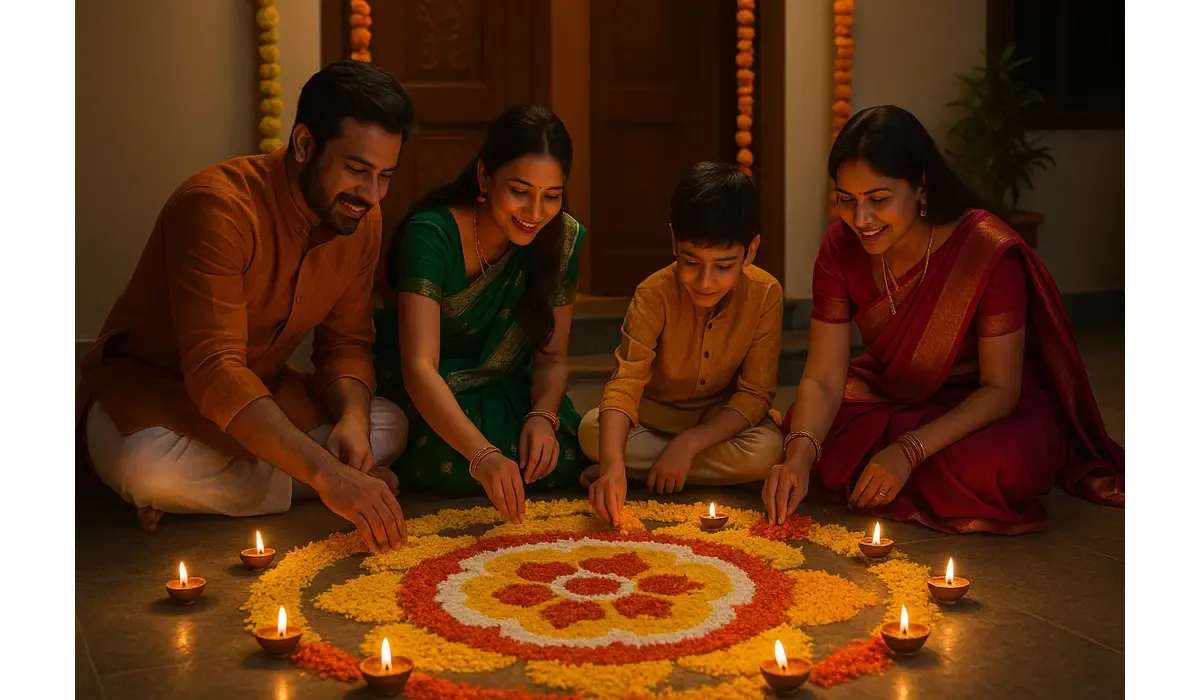
Eco-friendly Diwali rangoli designs with natural colors are becoming a powerful symbol of celebrating tradition while caring for the planet. Every year, millions of homes in India decorate entrances with vibrant rangoli. But conventional chemical colors often contain synthetic dyes, plastics, and harmful substances that damage the environment and even affect health.
Switching to natural, biodegradable, and eco-conscious alternatives ensures the festival of lights truly brings joy without leaving behind toxic traces. From turmeric and beetroot powders to flower petals and rice flour, eco-friendly rangoli blends beauty with sustainability.
Key Takeaways:
- Eco-friendly rangoli designs use natural colors like turmeric, beetroot, spinach, rice flour, and flower petals.
- Sustainable rangoli is biodegradable, safe for children, pets, and the environment.
- With creativity, you can make stunning designs—mandalas, floral patterns, diyas, or peacocks—without synthetic powders.
What Is Eco-Friendly Diwali Rangoli?
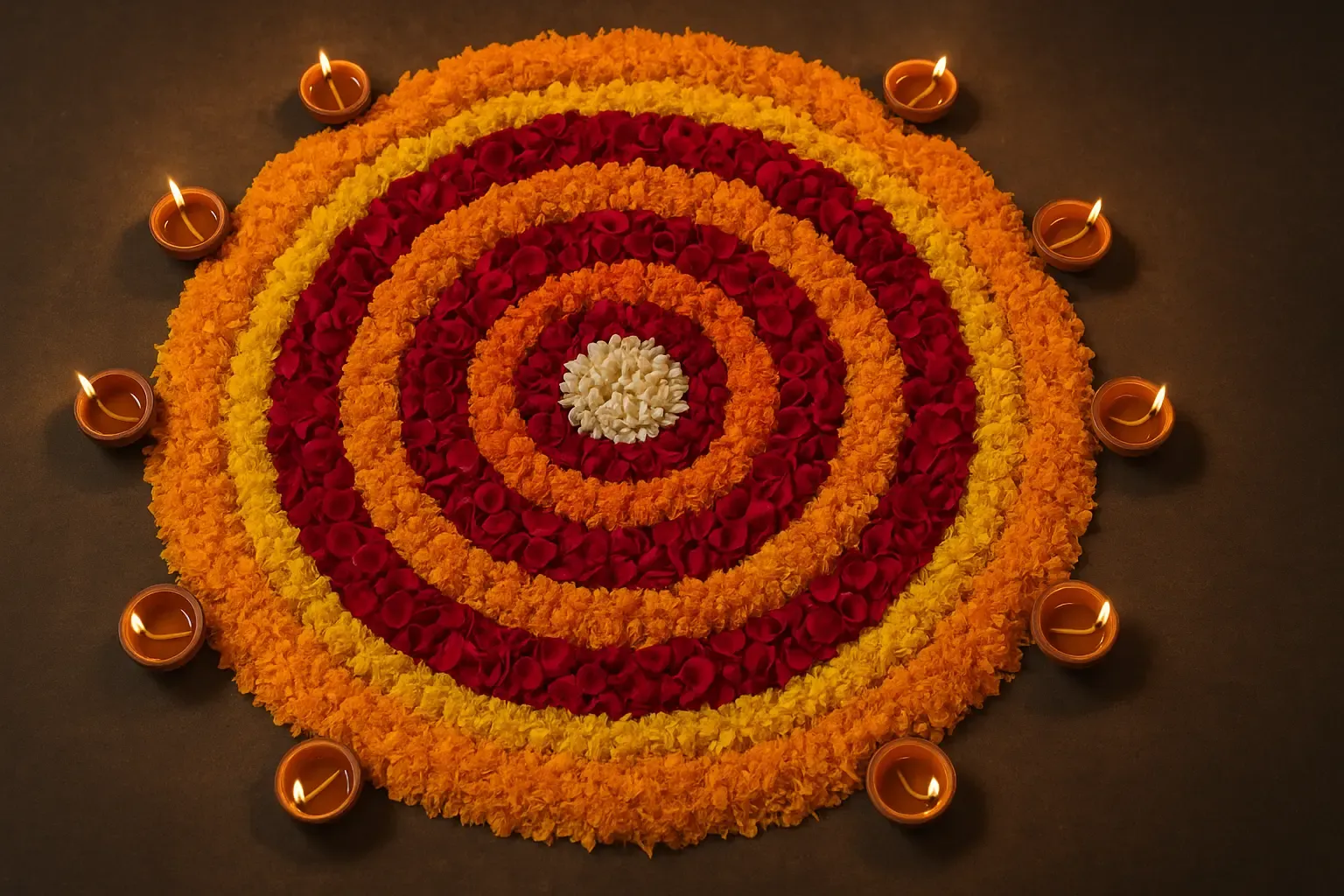
Eco-friendly Diwali rangoli refers to the art of making rangoli designs using natural, biodegradable, and chemical-free materials. Traditionally, rangolis were created with rice flour, turmeric, flowers, and pulses—ingredients considered auspicious and nourishing for insects and birds.
Over the decades, synthetic powders became popular for their bright colors and ease of use. However, these often contain harmful chemicals like lead, mercury, and microplastics, which can pollute soil and water after the celebrations.
By returning to organic ingredients and sustainable practices, eco-friendly rangoli revives cultural authenticity while supporting environmental health.

$500 PayPal Gift Card
A $500 PayPal Gift card may be available to select users. Checking eligibility is quick. You can check if you’re one of them.
Why Does Eco-Friendly Rangoli Matter?
1. Protecting the Environment
Synthetic rangoli powders contribute to soil degradation and water contamination. Eco-friendly alternatives decompose naturally and enrich the soil.
2. Health & Safety
Chemical colors may trigger allergies, skin irritation, or respiratory problems. Natural ingredients are safe for children and pets.
3. Cultural Authenticity
Historically, rangoli was meant to welcome guests and deities while offering food to ants, birds, and other small creatures. Using edible, natural materials revives this original purpose.
4. Sustainability in Festivities
Eco-friendly practices align with a global shift toward sustainable celebrations, where festivals balance joy with responsibility
How to Make Eco-Friendly Rangoli with Natural Colors?
This is where tradition meets creativity. Making rangoli with natural ingredients is not only fun but also deeply satisfying.
Step 1: Gather Materials
- Base Powder: Rice flour, chalk powder, or ground white stone.
- Natural Colors:
- Turmeric (yellow)
- Beetroot powder (pink/red)
- Spinach powder (green)
- Coffee/charcoal (brown/black)
- Sandalwood (cream)
- Indigo leaves (blue)
- Other Elements: Marigold petals, rose petals, jasmine buds, leaves, pulses, and grains.
Step 2: Prepare Natural Colors
- Dry grind beetroot, spinach, or turmeric.
- Use boiled turmeric water or beetroot juice mixed with flour for richer shades.
- Crush flower petals gently for soft tones.
Step 3: Outline the Rangoli
- Use chalk or rice flour to sketch the outline.
- Opt for simple symmetrical patterns like circles, diyas, or flowers if you’re a beginner.
Step 4: Fill with Colors
- Fill sections with prepared powders or petals.
- Mix petals with powders for unique textures.
- Use sieves for even spreading.
Step 5: Add Details
- Decorate with small diyas, shells, or natural stones.
- Enhance symmetry with pulses (lentils, chickpeas, kidney beans).
Pro Tip: Spray a little water mist on the rangoli after completion to hold powders in place.
Popular Eco-Friendly Rangoli Designs
1. Floral Rangoli
Made with marigold, rose, and jasmine petals—vibrant, fragrant, and biodegradable.
2. Mandala Patterns
Circular designs with rice flour base and natural powders highlight symmetry and balance.
3. Diya Shapes
Designs shaped like lamps symbolize Diwali’s essence—light over darkness.
4. Peacock Motifs
Use turmeric, spinach powder, and petals to create the colorful feathers of India’s national bird.
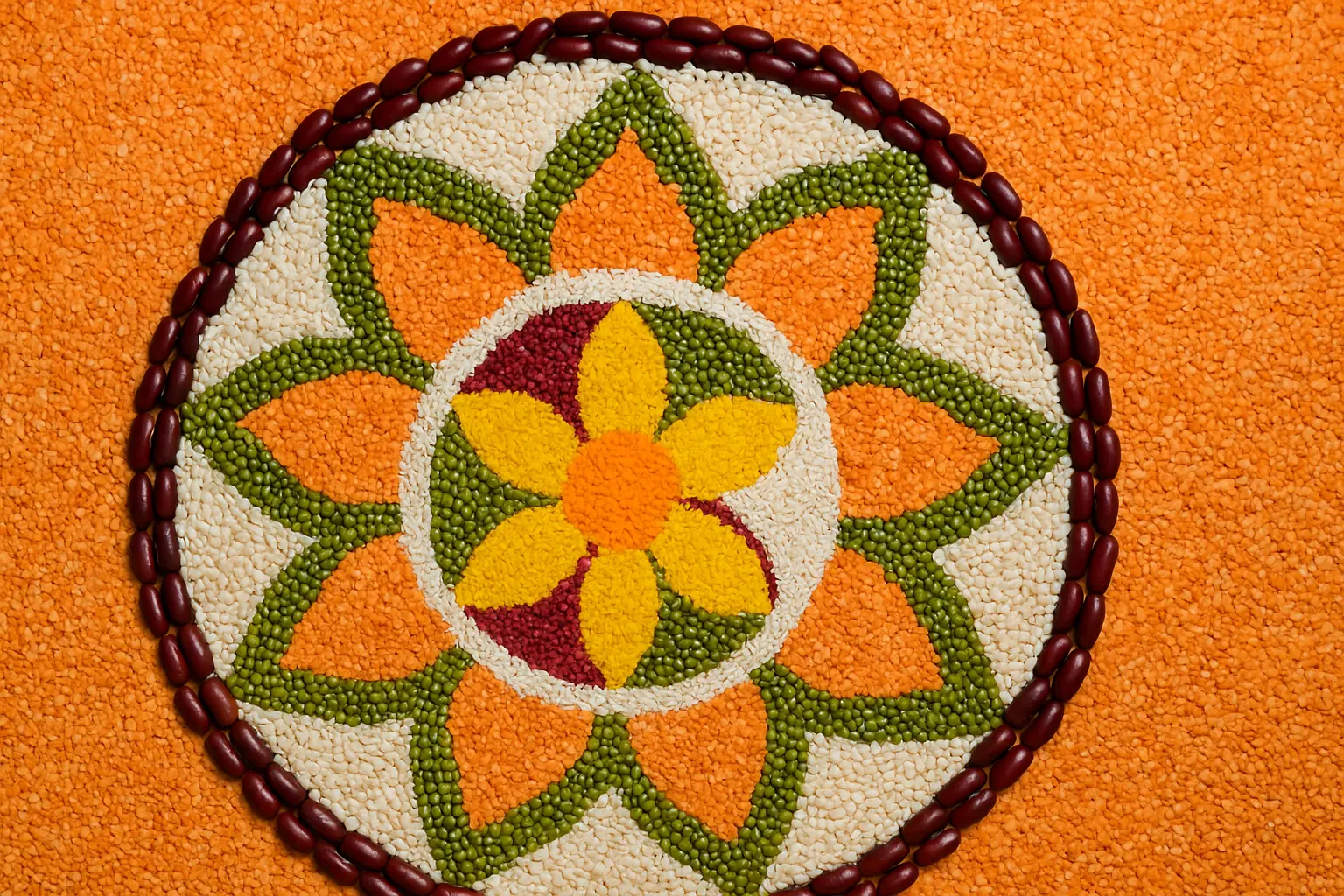
5. Grain-Based Rangoli
Lentils, pulses, and rice create earthy, textural designs that also feed small creatures.
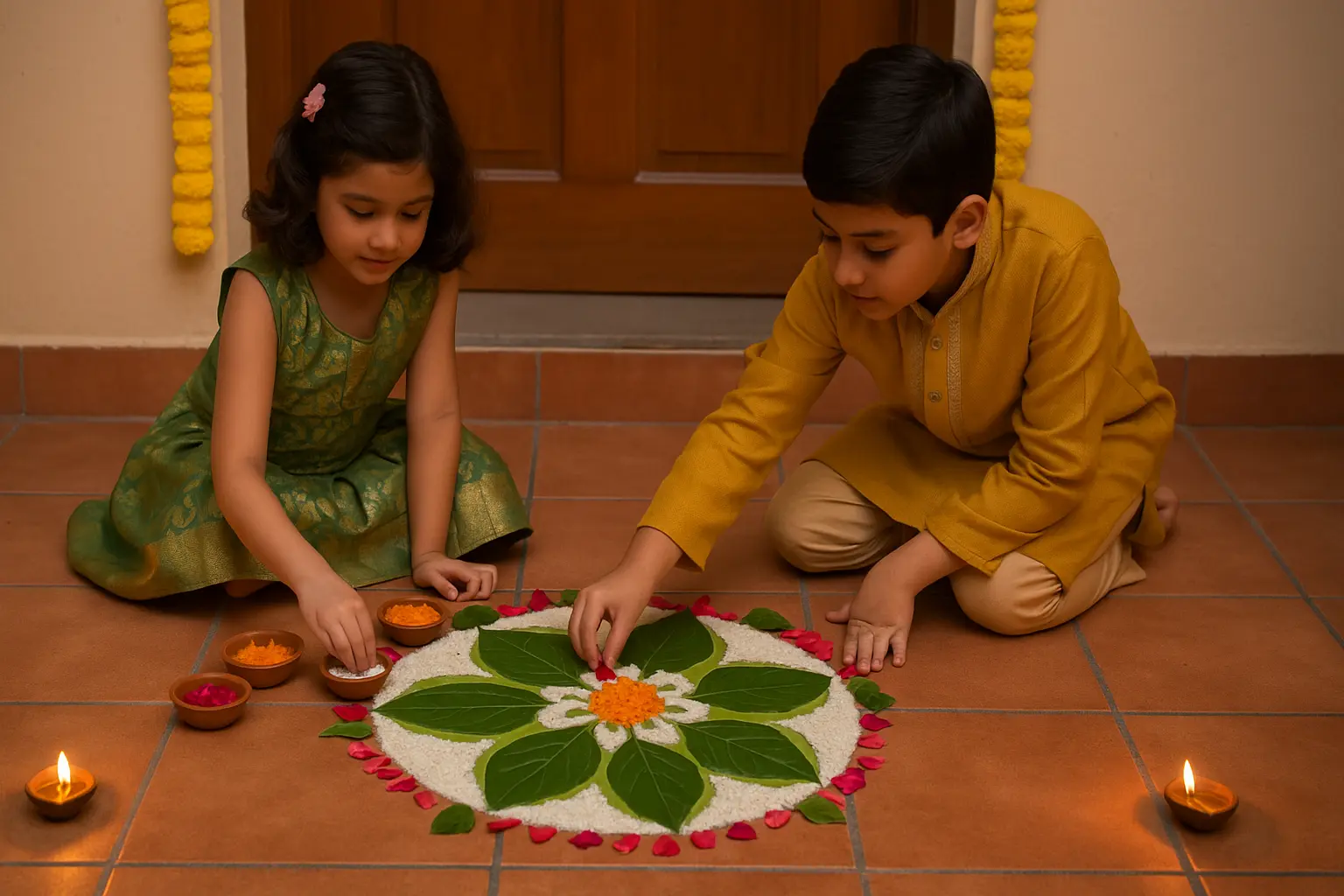
6. Minimalist Leaf Rangoli
Arrangements of banana leaves, neem leaves, or ferns—simple, green, and modern.
Common Mistakes & Myths About Eco-Friendly Rangoli
- Myth: Natural colors aren’t vibrant enough.
Reality: Turmeric, beetroot, and petals offer striking shades when dried properly. - Mistake: Using plastic glitter or synthetic additives.
Tip: Replace with rice flour shimmer or crushed seashells. - Myth: Eco-friendly rangoli takes too much time.
Reality: With ready-made herbal powders now available, it’s often faster than mixing synthetic powders. - Mistake: Disposing rangoli in drains.
Tip: Collect and compost the biodegradable materials.
Case Studies & Expert Insights
- Case Study 1: Pune Eco-Artists Collective
In Pune, a group of women artisans created 10,000 sq. ft. of eco-friendly rangoli in 2023 using only flower petals and pulses. The design drew 50,000 visitors and promoted sustainable artistry. - Case Study 2: Bangalore Eco Schools
Several schools in Bangalore introduced workshops where children used leaf powders and organic dyes for Diwali rangolis. Teachers reported improved awareness of sustainability among students. - Expert Quote (Dr. Meera Sinha, Environmental Scientist):
“Eco-friendly rangoli is more than art. It’s a message of coexistence—celebrating culture without harming the earth.” - Supporting Data:
According to the Centre for Science and Environment (CSE), chemical-based festive waste contributes up to 20% seasonal increase in urban landfill load. Shifting to biodegradable rangoli reduces this burden significantly.
Future of Sustainable Festive Decorations
As awareness grows, eco-friendly Diwali decorations are evolving:
- Ready-made herbal rangoli powders are now available in eco-stores.
- Digital rangoli projections combine tradition with technology, reducing material use.
- Community-led initiatives encourage collective floral rangolis that reduce waste and promote bonding.
- AI-driven design apps suggest eco-friendly rangoli templates using available household materials.
The future points to festivals with minimal waste, maximum joy.

$500 Walmart Gift Card
A $500 Walmart gift card may be available to select users. Checking eligibility is quick. You can check if you’re one of them.
FAQs
1. What are eco-friendly Diwali rangoli designs with natural colors?
They are rangoli patterns created using natural, biodegradable materials like turmeric, beetroot, spinach, rice flour, and flowers instead of chemical powders.
2. How do I make natural rangoli colors at home?
Dry and grind turmeric for yellow, spinach leaves for green, and beetroot for red. Mix with rice flour for lighter shades.
3. Are eco-friendly rangoli colors safe for kids?
Yes. Since they are made from edible and non-toxic ingredients, they are safe for children and pets.
4. Which flowers are best for rangoli?
Marigold, rose, chrysanthemum, and jasmine are ideal due to their vibrant colors and fragrance.
5. How can I make my eco-friendly rangoli last longer?
Keep it indoors, spray lightly with water, and avoid windy areas.
6. Can eco-friendly rangoli designs be as colorful as synthetic ones?
Absolutely. Properly dried petals and natural powders offer equally vibrant results.
7. How should I dispose of my eco-friendly rangoli?
Simply compost the used powders, petals, and grains—they’ll enrich the soil.
Conclusion
Eco-friendly Diwali rangoli designs with natural colors are more than decoration—they are a statement of sustainable living. By choosing flowers, turmeric, pulses, and herbal powders over chemical dyes, you honor tradition while protecting the environment.