10 Real Findings About Delhi Pollution Red Zone Areas After Diwali Night — Beauty Fades Into Breathlessness
Discover real findings about Delhi pollution red zone areas after Diwali night—where beauty quickly faded into breathlessness. This concise, research-driven update highlights AQI spikes, worst-hit regions, and the urgent health risks residents now face.

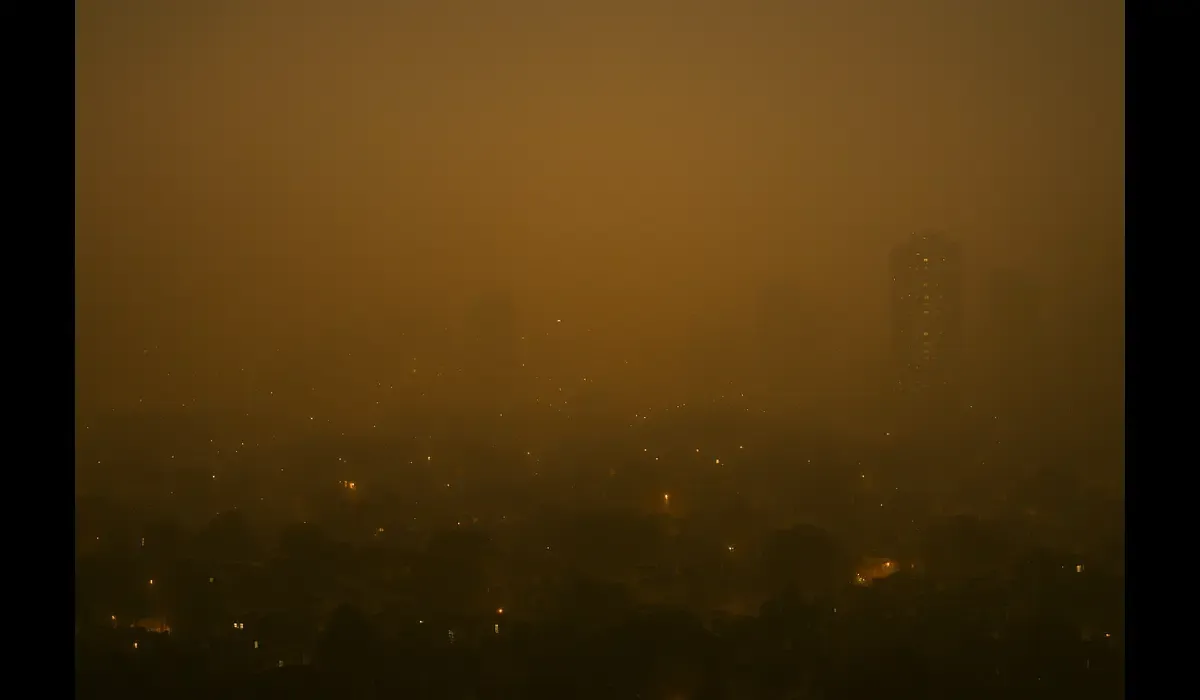
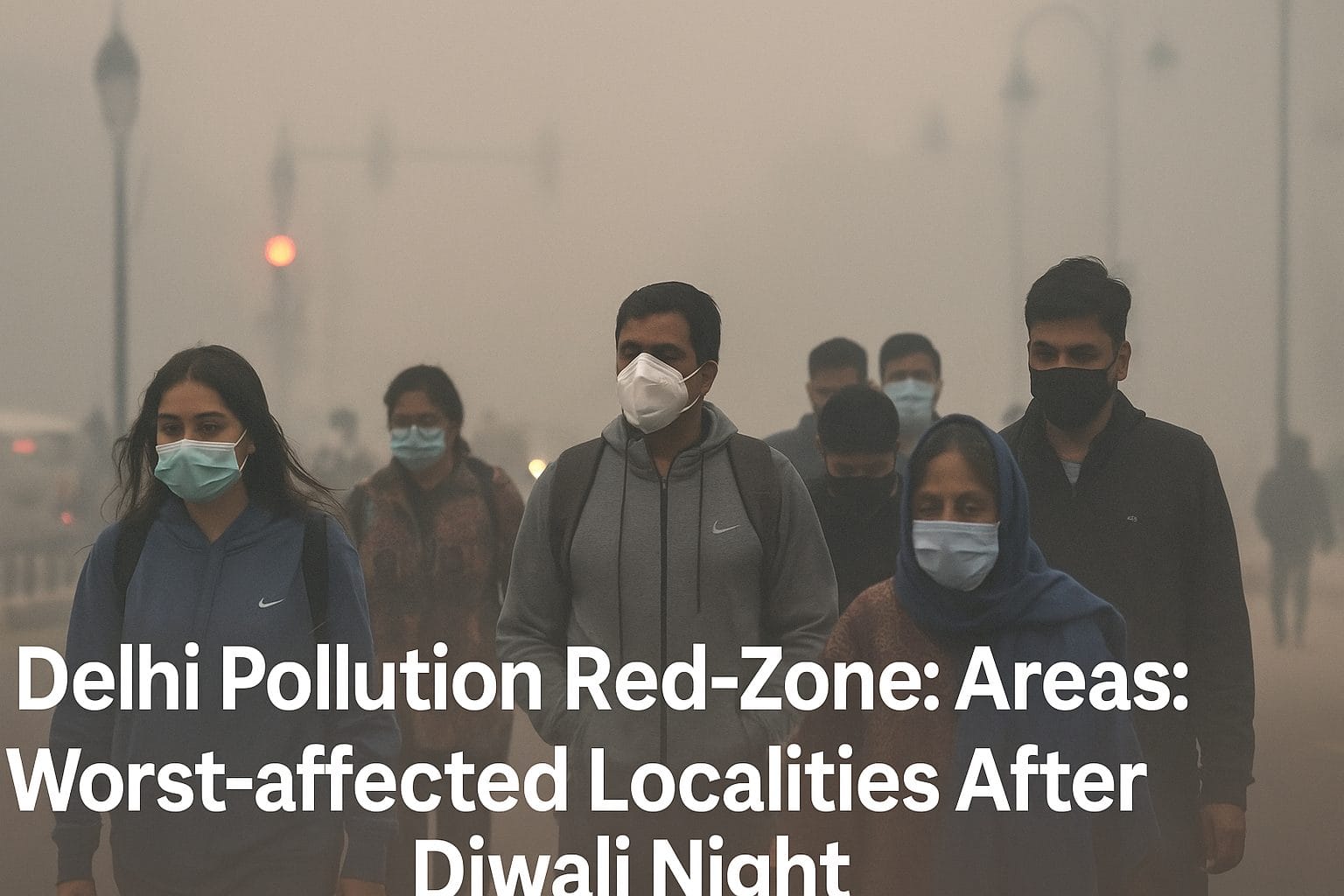
Delhi pollution red zone areas after Diwali night once again revealed how quickly celebration turns into crisis. Just hours after fireworks lit the sky, smog covered the capital, pushing the Air Quality Index (AQI) into the “severe” category across most regions. By morning, visibility had dropped sharply and hospitals began reporting respiratory distress among vulnerable groups.
Quick Context
The Delhi pollution red zone areas after Diwali night refer to localities where the AQI levels surged above 300, indicating “very poor” to “severe” air quality. These zones represent the most hazardous parts of Delhi immediately after the Diwali celebrations.

$500 PayPal Gift Card $500 PayPal Gift Card
Some users qualify for a $500 PayPal gift card. You can check if you qualify.
Latest Post
Latest Update
After Diwali 2025, Delhi’s air quality plunged overnight as fireworks, stagnant air, and crop-burning combined to form a toxic mix. The average AQI in the city stood at 420, with several areas breaching 450, officially marking them as “red zone” pollution hotspots.
Environmental agencies classified Delhi’s air quality as severe, indicating serious health risks even for healthy adults. Neighborhoods in north and northwest Delhi faced the highest levels of pollution, while central and south Delhi recorded slightly lower but still “very poor” readings.
Key Facts
1. Top Delhi Pollution Red Zone Areas After Diwali Night
| Area | AQI Level | Category |
|---|---|---|
| Bawana | 427 | Severe |
| Wazirpur | 408 | Severe |
| Alipur | 408 | Severe |
| Jahangirpuri | 407 | Severe |
| Burari Crossing | 402 | Severe |
| Shadipur | 399 | Very Poor |
| Ashok Vihar | 391 | Very Poor |
These localities consistently record the worst AQI levels due to industrial activity, heavy traffic, and dense residential clusters that trap pollutants.
2. Why Pollution Peaked After Diwali
The spike in Delhi pollution red zone areas after Diwali night is the result of a combination of short-term and structural factors:
- Fireworks Emissions: Firecrackers release fine particulate matter (PM2.5 and PM10), sulfur dioxide, and heavy metals that linger for hours.
- Weather Conditions: Calm winds and temperature inversion prevent dispersion, causing pollutants to accumulate.
- Crop-Burning: Stubble burning in Punjab and Haryana contributes significant smoke, worsening Delhi’s background pollution.
- Urban Emissions: Continuous vehicle and industrial emissions compound the post-Diwali surge.
3. Health Effects in Red Zone Areas
Residents in red zone areas are at immediate risk of respiratory and cardiovascular issues. Common symptoms include:
- Coughing, throat irritation, and watery eyes.
- Shortness of breath and chest tightness.
- Fatigue and dizziness due to reduced oxygen levels.
Doctors advise residents in affected zones to limit outdoor exposure, especially during early morning and late evening hours when smog concentration is highest.
Why It Matters
The Delhi pollution red zone areas after Diwali night show how localized pollution hotspots pose specific threats to millions of residents.
- Health Emergency: Air quality in severe zones is considered unsafe for everyone. Even short-term exposure can cause inflammation and breathing issues.
- Urban Planning Challenge: Data on these hotspots underscores the urgent need for better zoning, emission control, and industrial management.
- Public Responsibility: Despite repeated bans, the widespread use of fireworks highlights the gap between awareness and action.
Comparisons
| Year | Average AQI After Diwali | Category |
|---|---|---|
| 2023 | 370 | Very Poor |
| 2024 | 410 | Severe |
| 2025 | 420+ | Severe |
The data clearly shows that air quality has continued to deteriorate post-Diwali, despite regulations and awareness campaigns.
Expert Opinions
Environmental experts note that while fireworks play a visible role, the persistent haze after Diwali is primarily driven by seasonal stagnation and cross-border pollution.
Health specialists warn that fine particulate matter (PM2.5) levels remain high for several days after Diwali, entering homes and closed spaces. This makes indoor air purification as important as outdoor precautions.
Practical Takeaways
- Check Local AQI Regularly: Residents should track real-time AQI data in their neighborhoods, especially if living near red zone areas.
- Stay Indoors When AQI >300: Avoid unnecessary outdoor exposure, particularly for children and the elderly.
- Use N95 Masks Outdoors: Standard cloth masks don’t filter fine particulates; only N95 or equivalent provides protection.
- Improve Indoor Air Quality: Run air purifiers and seal windows to prevent smog from entering.
- Support Eco-Friendly Celebrations: Use diyas, LED lighting, and community fireworks alternatives to reduce future spikes.

$750 Cash App Gift Card$750 Cash App Gift Card
Some users qualify for a $750 Cash App gift card. You can check if you qualify.
FAQs
Q1: Which are the main Delhi pollution red zone areas after Diwali night?
Areas like Bawana, Wazirpur, Alipur, Jahangirpuri, and Burari consistently record AQI above 400, falling under the red zone.
Q2: Why are these zones more polluted than others?
Industrial clusters, high traffic density, and poor air circulation make these areas pollution hotspots.
Q3: How long does the pollution remain severe after Diwali?
Generally, air quality remains in the red zone for 3–5 days depending on weather, wind speed, and emissions.
Q4: What precautions can residents take?
Avoid outdoor activity during peak hours, wear N95 masks, and keep air purifiers running indoors until AQI improves.
Key Takeaways
- The Delhi pollution red zone areas after Diwali night include north and northwest localities with AQI above 400.
- Fireworks, stagnant weather, and stubble burning collectively created hazardous air.
- Red zone exposure poses severe health risks for all age groups.
- Stronger enforcement and citizen responsibility are crucial to reduce post-festival pollution.
Conclusion : Delhi pollution red zone areas after Diwali night
The Delhi pollution red zone areas after Diwali night highlight how celebration can quickly turn into a health emergency. Until strict enforcement, eco-friendly alternatives, and public awareness align, Delhi’s post-Diwali mornings will continue to be grey and suffocating.