10 Powerful Lessons from Credit Awareness in India That Every USA Millennial Can’t Afford to Ignore


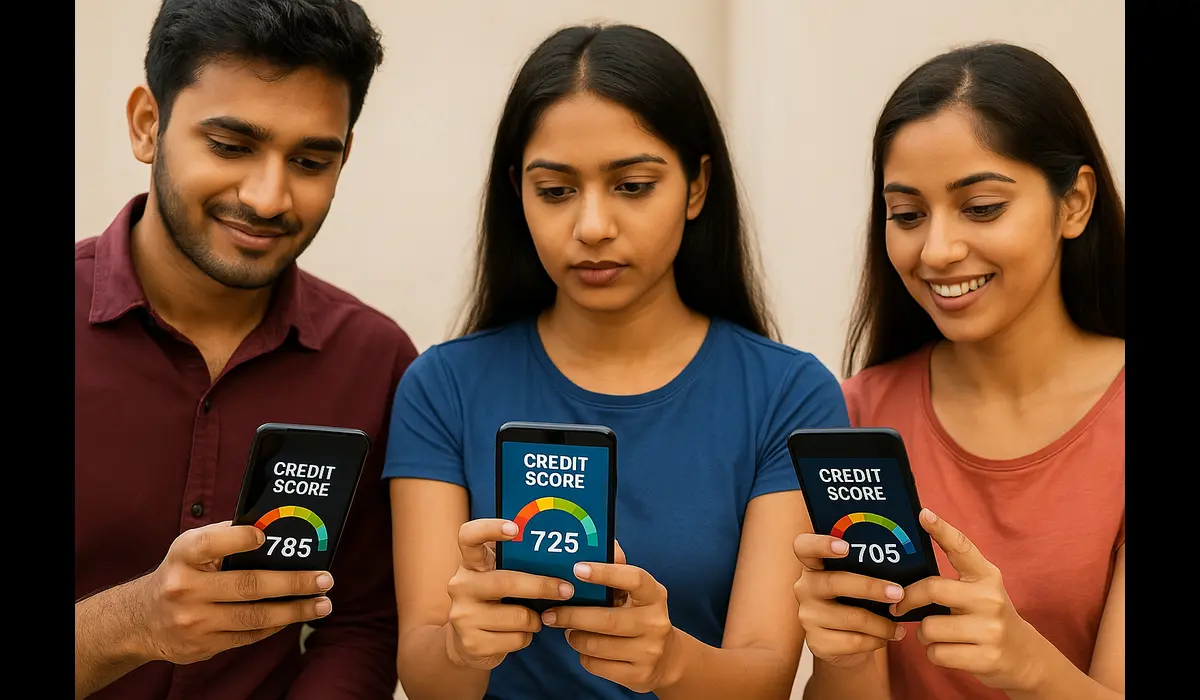
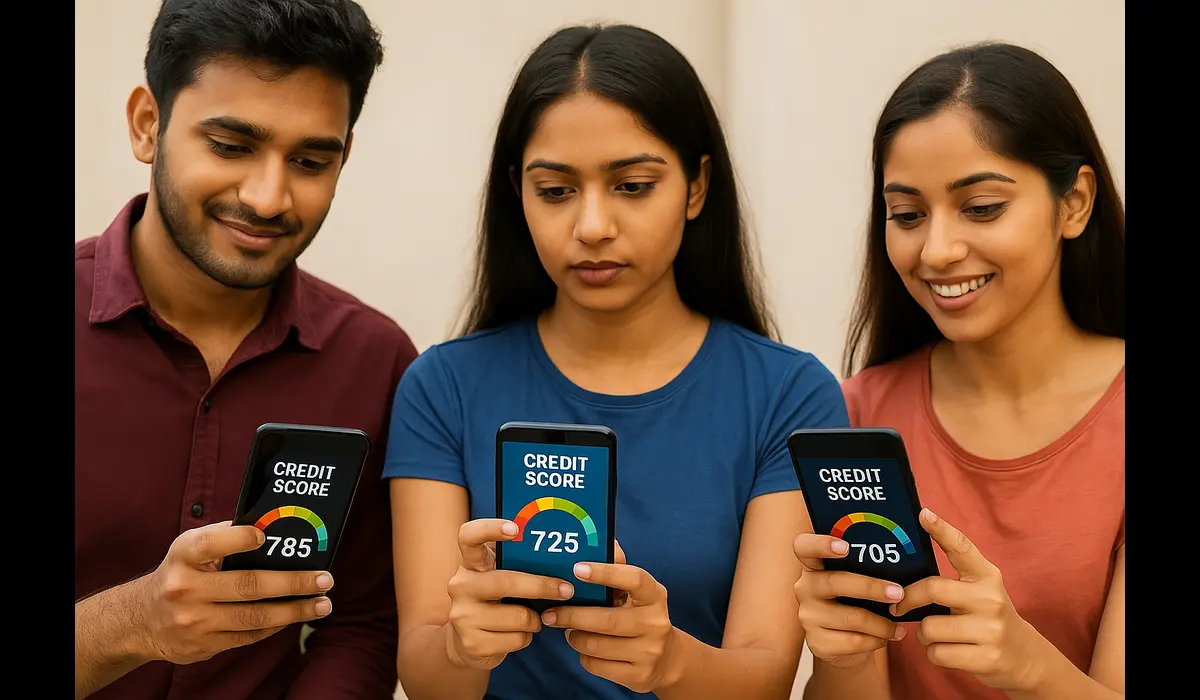
Credit awareness in India has quietly evolved into a global financial movement. In less than a decade, India’s millennial population transformed from credit-averse spenders to financially literate borrowers with a strong sense of repayment discipline and credit responsibility.
This transformation is not just national—it’s instructive for a world dealing with rising personal debt, especially millennials in the USA who are struggling under record credit card balances and student loans.
According to TransUnion CIBIL’s 2025 report, India witnessed a 70% increase in credit literacy among consumers aged 25–35. Meanwhile, the U.S. Federal Reserve reported that American millennials’ average credit card debt surpassed $7,200 in 2025, the highest in two decades.
The contrast is striking—and it’s a wake-up call.
- India’s credit awareness revolution is rooted in education, digital tools, and policy support.
- U.S. millennials can learn sustainable financial habits from India’s new-age consumers.
- Credit literacy is not optional—it’s essential for long-term financial health.
What Is Credit Awareness in India?
Credit awareness in India refers to the growing public understanding of credit scores, repayment behavior, and responsible borrowing. It marks a national shift in how people view debt—not as a stigma but as a strategic financial tool.
How It Evolved
- Fintech democratization: Apps like CRED, Paytm, and MoneyTap introduced easy score tracking and gamified rewards for timely payments.
- Policy intervention: The Reserve Bank of India (RBI) and SEBI mandated regular consumer credit reports and score transparency.
- Financial literacy campaigns: Public–private collaborations—such as RBI’s Financial Literacy Week—brought awareness to tier-2 and tier-3 cities.
This movement has made credit literacy part of India’s mainstream financial culture, bridging urban and rural knowledge gaps.
Why Credit Awareness Matters Globally
The global credit crisis of the 2000s proved that financial ignorance can cripple economies. As debt levels climb in developed nations, the Indian experience offers critical lessons on balance and accountability.
The Global Context
- India: 90% of millennials now know their credit score, and 63% actively monitor it monthly.
- USA: Only 56% of millennials check their credit score annually (Experian, 2024).
India’s improvement isn’t accidental—it’s systemic. The combination of financial inclusion, digital innovation, and behavioral change makes its model relevant worldwide.
A Behavioral Contrast
- India: Save first, borrow with purpose, repay on time.
- USA: Spend first, refinance later, pay interest longer.
The difference lies in mindset, not income. And that’s why India’s example should matter to every American millennial navigating debt.
How Credit Awareness in India Became a Global Model
1. Digital Credit Literacy Revolution
Fintech startups like CRED and Paytm turned complex credit management into a user-friendly experience. These platforms reward users for timely payments and educate them about score factors—something few U.S. platforms do at scale.
2. Government-Led Transparency
RBI and SEBI introduced strict disclosure norms for banks and lenders, ensuring borrowers clearly understand repayment obligations. This culture of clarity and accountability minimizes default rates.
3. Behavioral Shift Among Young Indians
Indian millennials, once cautious about borrowing, now use credit strategically. CIBIL’s 2025 report shows delinquency rates among under-35s dropped below 1.5%, one of the lowest in Asia.
4. Credit Bureaus and Free Score Access
CIBIL, Experian India, and Equifax provide one free report annually—ensuring every citizen can monitor credit health.
5. Social Pride in Financial Responsibility
In India, a high credit score is now a badge of responsibility—encouraged by gamified fintech platforms and employer-backed rewards. What was once taboo is now aspirational.
What Can USA Millennials Learn from India’s Credit Awareness Movement?
Lesson 1: Credit Health Is More Important Than Credit Access
India’s experience shows that having credit is easy; managing it well is rare. Many U.S. millennials equate high credit limits with financial freedom—when it often leads to chronic debt.
Lesson 2: Pay on Time—Every Time
CRED’s success in rewarding on-time payments led to a 22% improvement in repayment punctuality across India. Timely payments are the single most powerful credit-score booster.
Lesson 3: Use Less Than You Borrow
Indian millennials maintain an average credit utilization of 27%, compared to 45% in the USA. That discipline builds reliability and lowers risk exposure.
Lesson 4: Borrow for Value, Not for Validation
In India, loans fund education, entrepreneurship, or homeownership—not lifestyle inflation. This long-term mindset fosters financial growth instead of emotional spending.
Lesson 5: Fintech Can Be Educational, Not Just Functional
Indian fintech platforms merge convenience with awareness. U.S. platforms can follow suit by integrating gamified learning about debt, APRs, and repayment schedules.
Lesson 6: Credit Education Starts Early
India’s new education policy (NEP-2020) mandates financial literacy in school curricula. By contrast, only 20 U.S. states require personal finance education in high schools (CFRB, 2025).
Lesson 7: Transparency Builds Trust
India’s credit ecosystem thrives on transparent interest rates and pre-disclosure of fees. The U.S. credit card industry can emulate this clarity to reduce millennial distrust.
Lesson 8: Collaboration Between Fintech and Regulators Works
India’s RBI-approved digital lenders demonstrate that innovation and compliance can coexist—countering the U.S. perception that regulation stifles progress.
Lesson 9: Credit Awareness Should Be Social
In India, social campaigns normalize conversations around scores and debts. Millennials in the U.S. should talk openly about financial discipline instead of hiding credit issues.
Lesson 10: Treat Credit as a Life Skill
India treats credit awareness as financial hygiene, not advanced finance. This practical, habit-based approach is what American consumers need most.
How to Build Credit Awareness in the USA
Step 1: Check Your Credit Monthly
Use free monitoring apps or annual credit report services. Regular checks help detect fraud and improve score-related decisions.
Step 2: Educate Through Fintech Partnerships
Financial institutions should integrate awareness modules within digital banking and payment apps, just as India’s fintechs do.
Step 3: Reward Responsibility
Employers and credit providers can offer benefits for consistent repayments or credit improvement milestones.
Step 4: Normalize Credit Education
Include credit behavior discussions in schools, colleges, and social media platforms.
Step 5: Promote Transparency
Simplify card terms, interest disclosures, and penalty structures—make fine print readable for everyone.
Common Credit Myths Debunked
Myth 1: Zero Debt Equals a Perfect Score
Reality: No credit usage leads to no history. Responsible usage, not abstinence, builds good credit.
Myth 2: Checking Your Credit Hurts It
Reality: Soft inquiries from monitoring don’t affect scores; only hard inquiries from new loan applications do.
Myth 3: You Can Start Credit Later in Life
Reality: Credit history length is 15% of your score. The earlier you start responsibly, the better.
Myth 4: India’s Credit Model Doesn’t Apply to the U.S.
Reality: The principles—education, transparency, discipline—are universal, regardless of economic scale.
Expert Insights & Case Studies
Case Study 1: CRED — Gamifying Credit Discipline
CRED turned credit repayment into a social movement by rewarding users for timely payments. In 2025, it reported over 20 million users with 750+ scores, reinforcing positive financial behavior.
Case Study 2: RBI’s Financial Literacy Initiative
RBI’s Money Matters for Young India program introduced credit awareness in schools and local communities. Over 2 million youth participated in 2024, with measurable score improvements.
Case Study 3: CFPB Report on U.S. Millennials
The U.S. Consumer Financial Protection Bureau found 38% of millennials lack basic understanding of credit scoring, exposing systemic financial literacy gaps.
Expert Comment (TransUnion 2025):
“India’s young borrowers exhibit higher credit consciousness than any other emerging market—a reflection of structured education and digital empowerment.”
FAQs
Q1. What is credit awareness in India?
It’s the collective effort to educate individuals about credit scores, borrowing responsibility, and financial accountability, supported by fintech and regulatory action.
Q2. Why should U.S. millennials learn from India’s credit awareness movement?
Because India’s youth achieved credit maturity through education and digital innovation—solutions the U.S. still needs to scale effectively.
Q3. How can Americans improve credit awareness?
By checking scores regularly, repaying on time, and leveraging educational fintech platforms.
Q4. What makes India’s approach unique?
India integrated policy, technology, and community education—creating an ecosystem of financial transparency.
Q5. Are India’s lessons relevant for global economies?
Absolutely. Credit literacy enhances stability, reduces defaults, and empowers individuals everywhere.
Key Takeaways
- Credit awareness in India demonstrates how financial education can transform an entire generation.
- U.S. millennials can apply India’s discipline to manage debt more wisely.
- Digital platforms must merge education with accessibility.
- Responsible borrowing is a cultural value, not a financial product.
- Awareness, not wealth, is the foundation of financial security.
Conclusion
Credit awareness in India has proven that financial maturity isn’t a byproduct of wealth—it’s a result of education, transparency, and discipline
For U.S. millennials, overwhelmed by easy credit and instant gratification, India’s journey offers a roadmap toward financial independence without instability.