7 Explosive Details About ED Raids Seven Locations Chennai Over Sresan Pharma Coldrif Case That Shocked India
Discover seven explosive details about the ED raids seven locations Chennai over the Sresan Pharma Coldrif case that shocked India. This concise, investigation-driven teaser highlights the evidence, violations, and national implications unfolding.

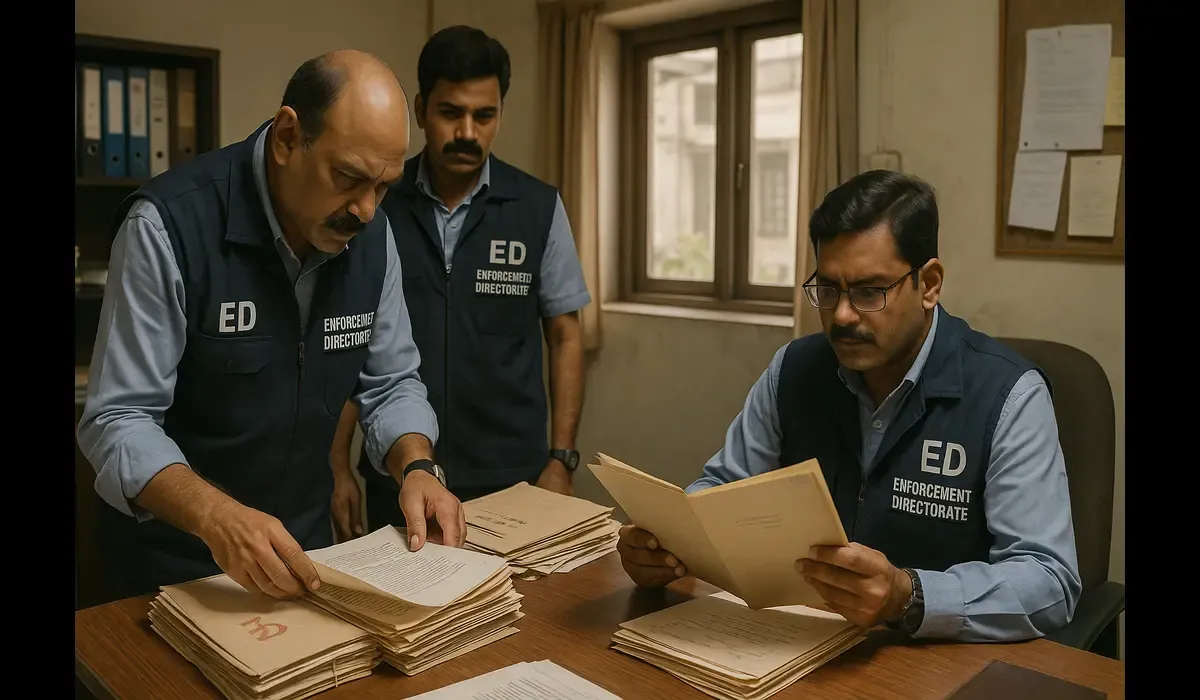
The Coldrif cough syrup case has triggered nationwide outrage after the Enforcement Directorate (ED) raided seven locations in Chennai connected to Sresan Pharma. The toxic formulation, linked to multiple child deaths, has now evolved into a major financial and legal investigation under the Prevention of Money Laundering Act (PMLA).
- ED conducted seven raids in Chennai related to Coldrif cough syrup.
- The probe exposes money laundering, regulatory negligence, and corruption.
- Authorities suspect deeper collusion within India’s pharmaceutical network.
Latest Post
Background: What Is the Coldrif Cough Syrup Case?
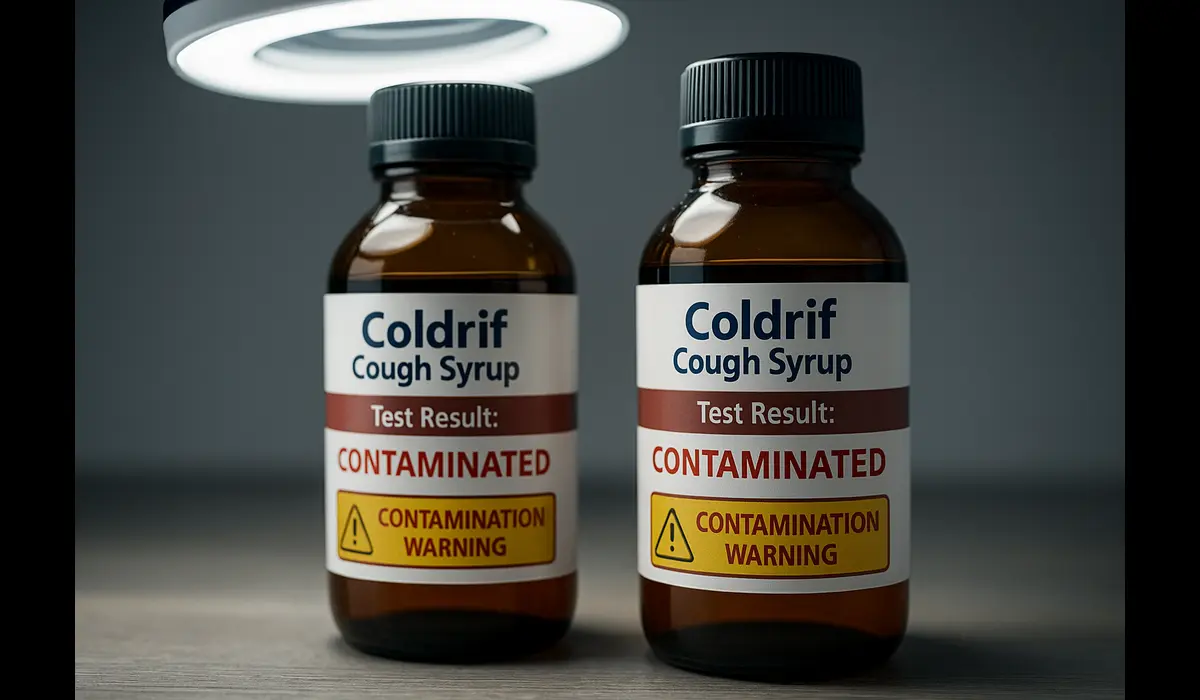
The Coldrif cough syrup scandal began when samples of the medicine were found to contain diethylene glycol (DEG) — a toxic chemical often used in industrial products. The syrup, manufactured by Sresan Pharmaceuticals, was allegedly responsible for over 17 child deaths across multiple Indian states.
Subsequent lab tests confirmed toxic contamination levels nearly 500 times higher than the permissible limit. Investigators believe Sresan Pharma ignored repeated quality warnings, falsified test reports, and distributed unsafe products.

$750 Cash App Gift Card$750 Cash App Gift Card
Some users qualify for a $750 Cash App gift card. You can check if you qualify.
ED Raids Seven Locations in Chennai
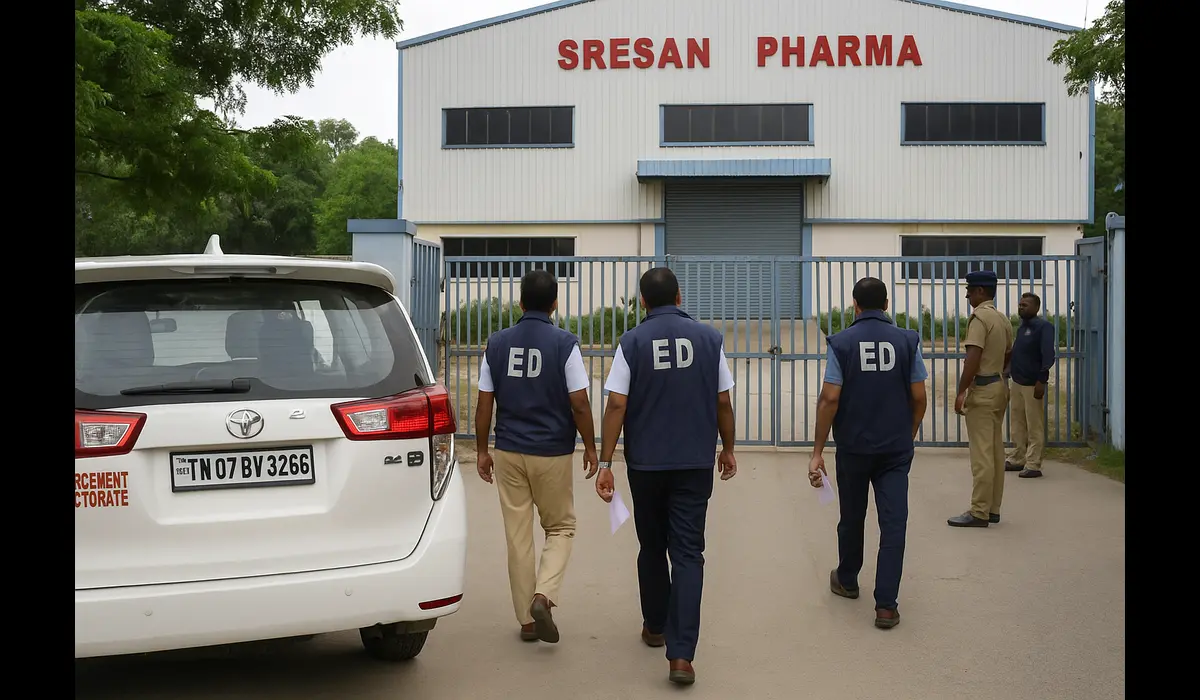
On October 13, 2025, the ED executed simultaneous raids across seven Chennai sites linked to Sresan Pharma, including corporate offices, warehouses, and residences of senior executives.
Raids Focused On:
- Financial documents showing suspicious fund transfers related to Coldrif cough syrup production.
- Connections between Sresan Pharma officials and state-level drug regulators.
- Potential shell companies used to launder profits earned from the illegal sale of toxic batches.
Officials seized hard drives, financial ledgers, and digital correspondence, indicating a network of fraudulent transactions and corruption in pharmaceutical approvals.
Key Findings from the Coldrif Cough Syrup Investigation
- Money Laundering Trail:
ED discovered a financial chain linking Sresan Pharma to multiple shell entities registered under false names. - Regulatory Complicity:
Drug inspectors allegedly failed to report contamination risks during audits, allowing Coldrif cough syrup to reach markets undetected. - Negligent Manufacturing:
The production plant in Chennai was found operating with expired solvents and unsterile machinery. - Public Health Impact:
Hospitals in Madhya Pradesh and Uttar Pradesh reported identical poisoning symptoms among children consuming Coldrif cough syrup. - Criminal Proceedings:
The company’s director, G. Ranganathan, faces charges under the Drugs and Cosmetics Act and PMLA, making this one of India’s biggest pharma corruption cases.
Why the Coldrif Cough Syrup Case Matters
The Coldrif cough syrup tragedy underscores India’s widening gap between pharmaceutical growth and drug safety regulation.
- Public Trust Erosion: Consumers are questioning the credibility of India’s drug regulatory systems.
- Regulatory Gaps: Local authorities reportedly ignored red flags raised by internal auditors.
- Economic Implications: The case could impact India’s export credibility in global pharma markets.
The ED’s action indicates a shift — from treating such events as “isolated manufacturing lapses” to systemic financial crimes linked to health violations.
Comparisons and Broader Context
Similar incidents in the past — like the Gambia syrup crisis (2022) and UP cough syrup case (2009) — followed the same pattern: toxic contamination, regulatory blindness, and mass casualties.
The Coldrif cough syrup investigation now represents a turning point in how India approaches corporate accountability in pharmaceuticals.
Expert Opinions
Legal analysts believe that prosecuting Sresan Pharma under money laundering laws sends a strong deterrent message.
Pharma experts warn that without mandatory digital audits and independent lab certifications, cases like Coldrif cough syrup could recur.
Public health voices stress the need for regular cross-verification between manufacturing and export batches to ensure child-safe medicines.
What Consumers Should Do
- Check Product Labels: Verify batch numbers and manufacturing dates before purchasing syrups.
- Avoid Unverified Brands: Stick to certified pharmaceutical companies.
- Report Adverse Reactions: Use government helplines to file official complaints.
- Stay Informed: Follow verified public health updates on contaminated medicines.

$750 Amazon Gift Card$750 Amazon Gift Card
Some users qualify for a $750 Amazon gift card. You can check if you qualify.
FAQs
Q1: What is the Coldrif cough syrup case about?
It involves the sale of a toxic medicine that caused several child deaths due to the presence of diethylene glycol.
Q2: Why did the ED conduct raids in Chennai?
The raids aim to uncover financial irregularities and money laundering linked to Coldrif cough syrup production and distribution.
Q3: How many deaths have been reported?
At least 17 confirmed fatalities across India are connected to this contaminated syrup.
Q4: Has Sresan Pharma been shut down?
Yes. Authorities have revoked its manufacturing license, sealing all its operational units in Chennai.
Q5: What penalties could the company face?
If found guilty, executives could face up to 10 years in prison and heavy financial penalties under PMLA and Drugs Act provisions
Key Takeaways
- The Coldrif cough syrup case is both a public health tragedy and a financial crime probe.
- ED’s seven Chennai raids mark a major enforcement milestone in India’s pharma regulation history.
- The focus has shifted from production negligence to systemic money laundering and corruption.
- The case demands industry-wide reform to restore public confidence.
Conclusion
The Coldrif cough syrup investigation is no longer a simple contamination case — it’s a landmark moment in India’s fight against pharma corruption. The ED’s decisive raids in Chennai highlight that corporate greed and public health negligence can no longer hide behind bureaucratic walls.
India’s next challenge lies in ensuring transparency, accountability, and reform across every link in the medicine supply chain.