10 Powerful Ways to Choose the Right Dental Insurance Plan in the U.S. and Avoid Costly Mistakes


Choosing the right dental insurance plan in the U.S. can be the difference between affordable preventive care and high unexpected costs. With over 170 million Americans enrolled in dental coverage but thousands still confused about premiums, waiting periods, and network restrictions, understanding your options is crucial.
Whether you’re self-employed, managing a family, or seeking senior coverage, the right dental plan should balance cost, coverage, and convenience.
- Dental insurance helps manage costs for checkups, cleanings, and major procedures.
- Compare coverage types — HMO, PPO, EPO, and discount plans — before enrolling.
- Always review deductibles, annual maximums, and in-network providers.
What Is Dental Insurance and How Does It Work?
Dental insurance is a health benefit that helps cover part of the cost of preventive and restorative dental care. Unlike traditional medical insurance, it often emphasizes preventive treatment such as cleanings and X-rays, promoting early detection and long-term oral health.
Types of Dental Coverage
- PPO (Preferred Provider Organization):
- Offers flexibility to visit any dentist.
- Higher premiums but broader coverage.
- HMO (Health Maintenance Organization):
- Lower premiums, requires in-network dentists.
- Great for routine care but limited for specialists.
- EPO (Exclusive Provider Organization):
- Midway between PPO and HMO.
- Must stay in-network but with fewer restrictions.
- Discount Dental Plans:
- Not traditional insurance.
- Provides percentage-based savings through partnered providers.
Why Choosing the Right Dental Insurance Plan Matters
1. Preventive Care Saves Money
Regular checkups detect issues early, preventing costly procedures later. A $100 cleaning can save you from a $1,000 root canal.
2. Dental Health Impacts Overall Health
Research links gum disease to diabetes, heart disease, and pregnancy complications. Comprehensive dental coverage supports full-body wellness.
3. Cost Predictability
A well-chosen dental plan controls out-of-pocket expenses by setting limits on copayments, deductibles, and annual maximums.
4. Family and Senior Considerations
Families with children and older adults often require orthodontic or prosthetic care, making plan type and inclusions vital.
How to Choose the Right Dental Insurance Plan in the U.S.
Step 1: Understand Your Dental Needs
Before comparing plans, assess your household’s oral health history.
- Do you need regular preventive care or major procedures like crowns or implants?
- Do family members need orthodontic coverage?
Pro Tip: Create a yearly dental budget. List anticipated checkups and procedures to identify the right coverage tier.
Step 2: Compare Plan Types
| Plan Type | Network Flexibility | Preventive Care | Cost | Best For |
|---|---|---|---|---|
| PPO | High | Excellent | Moderate–High | Families, professionals |
| HMO | Low | Good | Low | Individuals on budget |
| EPO | Medium | Very Good | Moderate | Balanced users |
| Discount Plan | Variable | Basic | Low | Uninsured or self-employed |
Step 3: Review the Network
Always confirm your preferred dentist is in-network. Out-of-network visits can cost 30–50% more.
Ask:
- Is my current dentist covered?
- Are there local emergency providers?
- How often is the provider list updated?
Step 4: Check Coverage Levels
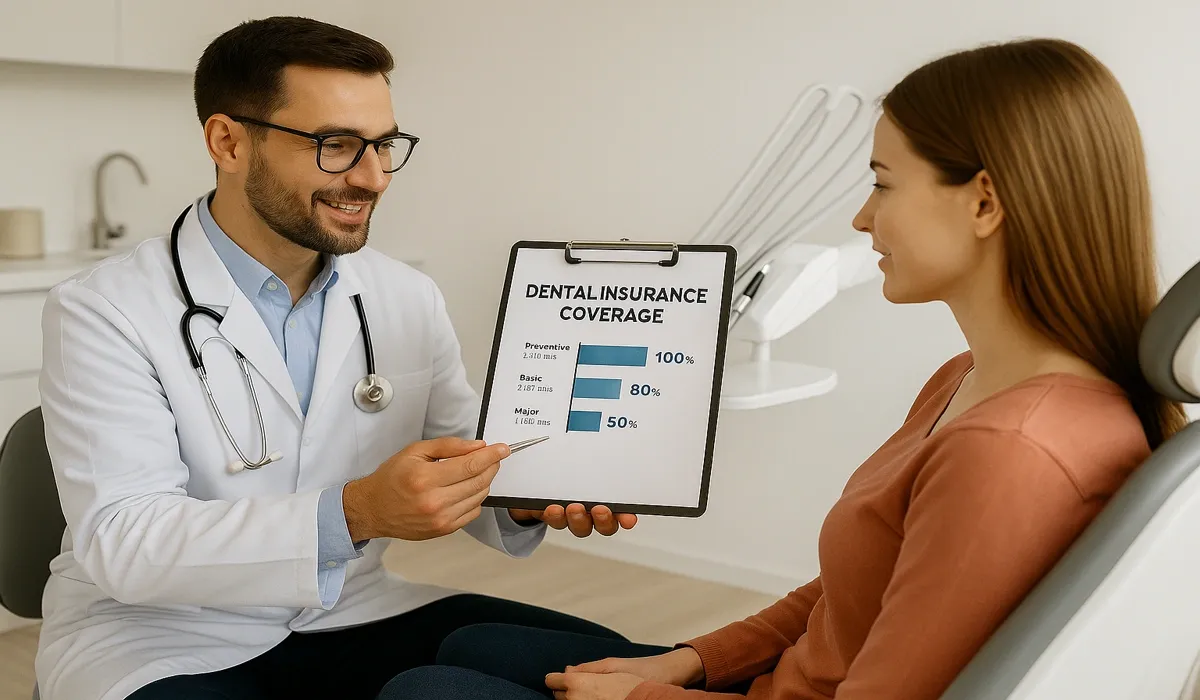
Typical dental insurance splits costs into tiers:
- Preventive care: 100% covered (cleanings, exams, X-rays).
- Basic procedures: 70–80% covered (fillings, extractions).
- Major procedures: 40–50% covered (crowns, bridges, root canals).
Look for plans that include orthodontics, dentures, and implants if relevant.
Step 5: Examine Annual Maximums and Deductibles
- Annual maximum: The most your plan will pay yearly (usually $1,000–$2,000).
- Deductible: The amount you pay before insurance starts covering costs.
Choose plans with high annual maximums and low deductibles if you anticipate major treatments.
Step 6: Evaluate Waiting Periods
Some plans enforce waiting periods (up to 12 months) before covering major services. If you need immediate dental work, find a no-waiting-period plan.
Step 7: Compare Premiums vs. Coverage
Low-premium plans often mean higher out-of-pocket costs.
Balanced Approach: Choose a mid-range premium with solid preventive and major coverage.
Step 8: Assess Orthodontic and Cosmetic Coverage
Not all plans cover braces or whitening.
- Family Plans: Prioritize orthodontics.
- Adult Plans: Seek implant or veneer coverage if desired.
Step 9: Review Exclusions and Limitations
Always read fine print regarding:
- Pre-existing condition exclusions
- Frequency limits on cleanings
- Missing tooth clauses (some plans don’t replace teeth lost before coverage starts)
Step 10: Research Provider Reputation and Customer Service
A well-rated insurer ensures smooth claims and minimal disputes.
Top-rated providers in 2025 include Delta Dental, Guardian, Humana, and MetLife for reliability and network reach.
How Much Does Dental Insurance Cost in the U.S.?
| Coverage Type | Average Monthly Premium | Annual Max | Deductible |
|---|---|---|---|
| Individual PPO | $35–$50 | $1,500 | $50 |
| Family PPO | $70–$120 | $2,000–$3,000 | $150 |
| HMO | $20–$35 | No max | $0–$25 |
| Discount Plan | $10–$25 | No max | N/A |
Note: Prices vary by state, provider, and coverage level.
Common Mistakes When Choosing Dental Insurance
- Ignoring waiting periods.
- Overlooking out-of-network costs.
- Choosing the cheapest premium.
- Failing to review annual maximums.
- Assuming all plans cover orthodontics or implants.
Avoid these pitfalls by comparing total costs — not just monthly premiums.
Expert Insights and Real-Life Example
Case Example – The “Family of Four” Plan Selection
A family in Texas compared four PPO options. After calculating estimated procedures and preventive visits, they selected a plan with a $2,000 annual max and 70% major service coverage, saving $600 annually versus paying per visit.
Expert Insight:
“The best dental insurance isn’t the cheapest one — it’s the plan that fits your specific care pattern and family size.” — Dr. Lauren Matthews, DDS, Oral Health Policy Analyst
Future Trends in Dental Insurance (2025–2030)
- AI-Driven Plan Matching: AI tools analyze user data to recommend optimal coverage automatically.
- Tele-dentistry Integration: More plans now include virtual consultations.
- Wellness Bundling: Dental, vision, and telehealth are merging under unified plans.
- Preventive Incentives: Rewards for regular cleanings and checkups through points or discounts.
- Predictive Analytics: Insurers forecast oral health risks using biometrics and behavior data.
FAQs
Q1. How do I choose the right dental insurance plan?
Compare your dental needs, check network size, and balance premiums against coverage levels.
Q2. What is the best type of dental insurance in the U.S.?
PPOs offer the best flexibility and coverage but at a higher cost. HMOs are ideal for budget-conscious individuals.
Q3. Are dental implants covered by insurance?
Only some comprehensive plans include implants. Always confirm before enrolling.
Q4. Can I use dental insurance immediately?
Preventive care is often covered immediately, but major procedures may require waiting periods.
Q5. Is dental insurance worth it?
Yes. Preventive coverage alone often pays for itself with annual cleanings and X-rays.
Q6. How often can I change my dental plan?
During open enrollment or qualifying life events such as marriage or relocation.
Q7. What happens if I visit an out-of-network dentist?
You’ll likely pay a higher percentage of the treatment cost or full price upfront.
Key Takeaways
- To choose the right dental insurance plan, evaluate coverage types, premiums, and in-network options.
- Understand your dental health needs and expected costs for the year.
- Compare waiting periods, deductibles, and exclusions carefully.
- Consider preventive care value over low premiums.
- The best plan aligns with your personal or family health profile.
Conclusion
Knowing how to choose the right dental insurance plan in the U.S. requires balancing affordability, flexibility, and coverage detail. With preventive care increasingly linked to overall wellness, investing in a reliable dental plan isn’t just about saving money — it’s about protecting your long-term health and peace of mind.