Chagas Disease Treatment: Options, Effectiveness & What to Expect
This expert-backed guide to Chagas Disease Treatment explains current therapy options, proven effectiveness, and realistic recovery expectations. Learn how early vs. late-stage care differs—and what patients should prepare for after diagnosis.

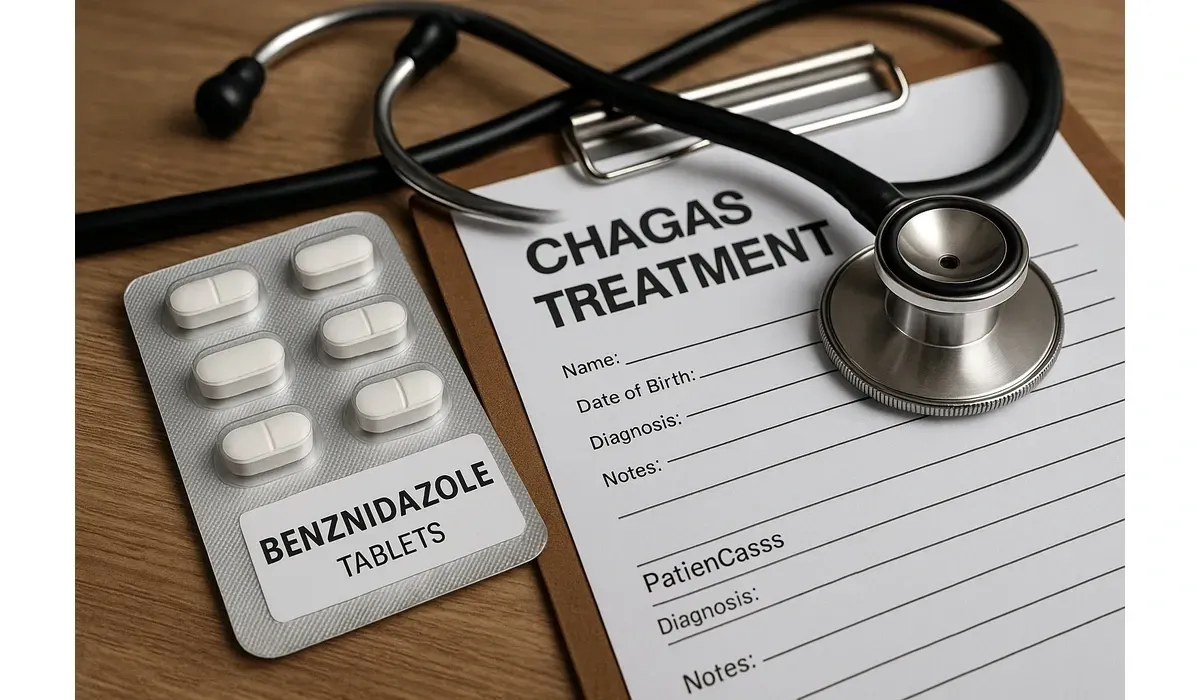
Chagas disease treatment is often called a “silent killer” because its symptoms can remain hidden for years before causing heart or digestive complications. With growing awareness, many are now asking: what are the real treatment options for Chagas disease? Let’s explore the medications, their effectiveness, and what patients should know in 2025.
Current Medications for Chagas Disease Treatment
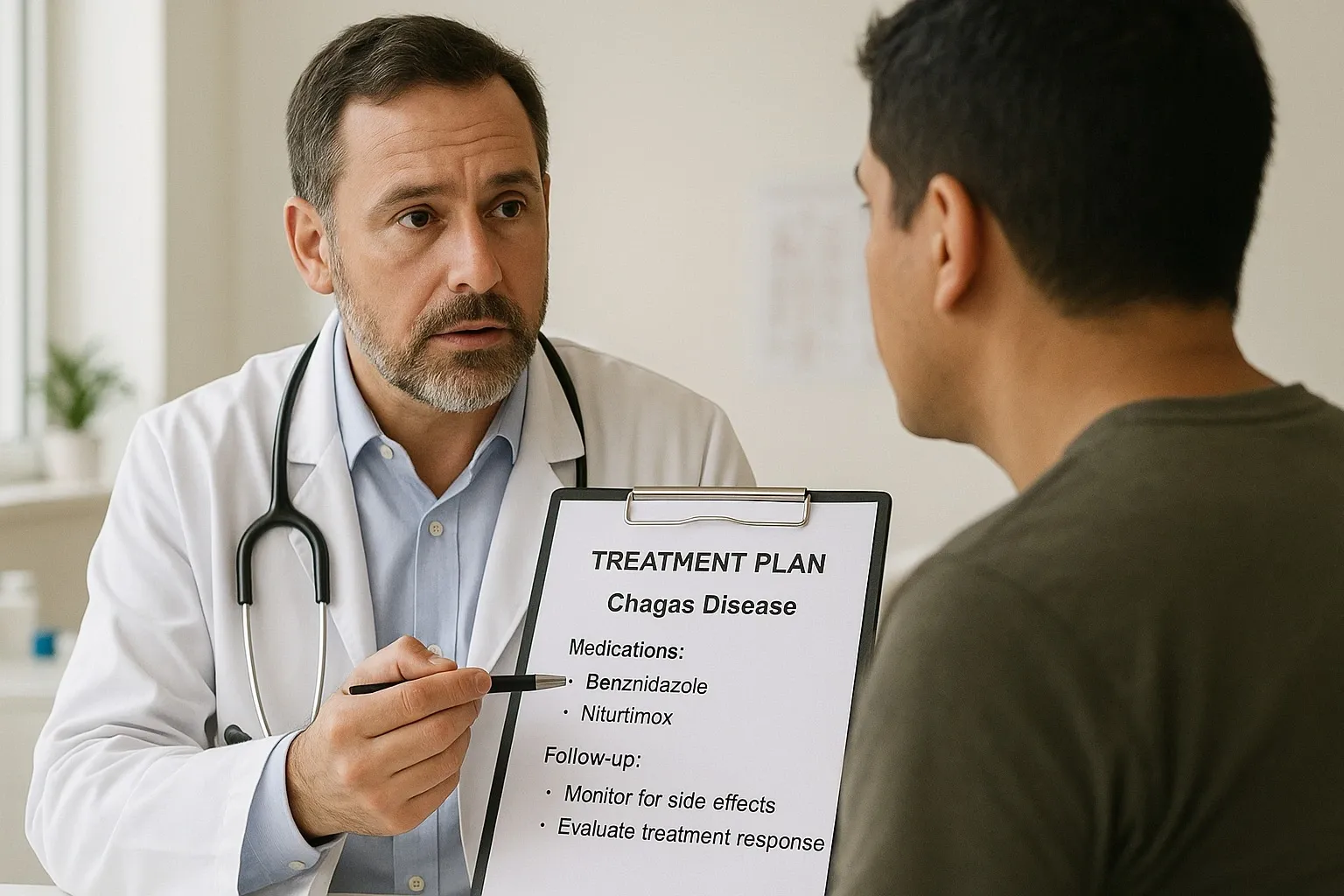
The World Health Organization (WHO) lists only two main drugs approved for treating Chagas disease: Benznidazole and Nifurtimox.
How They Work
– Benznidazole interferes with parasite DNA, preventing it from multiplying.
– Nifurtimox generates toxic compounds inside the parasite, leading to its death.
These drugs are most effective during the acute phase but may still offer benefits in chronic cases.
Effectiveness of Chagas Disease Treatment
According to the Pan American Health Organization (PAHO), antiparasitic treatment can cure up to 80% of patients in the acute stage. In chronic infections, the cure rate is lower, but treatment may still reduce complications like heart failure.
Side Effects of Chagas Disease Treatment
– Skin rashes
– Headaches
– Digestive issues (nausea, vomiting, loss of appetite)
– Neurological symptoms (irritability, insomnia)
Doctors often monitor patients closely during treatment, adjusting doses as needed.
New Research on Chagas Disease Treatment
Promising Advances:
1. Azole derivatives (e.g., Posaconazole) – Studied as potential alternatives but less effective so far.
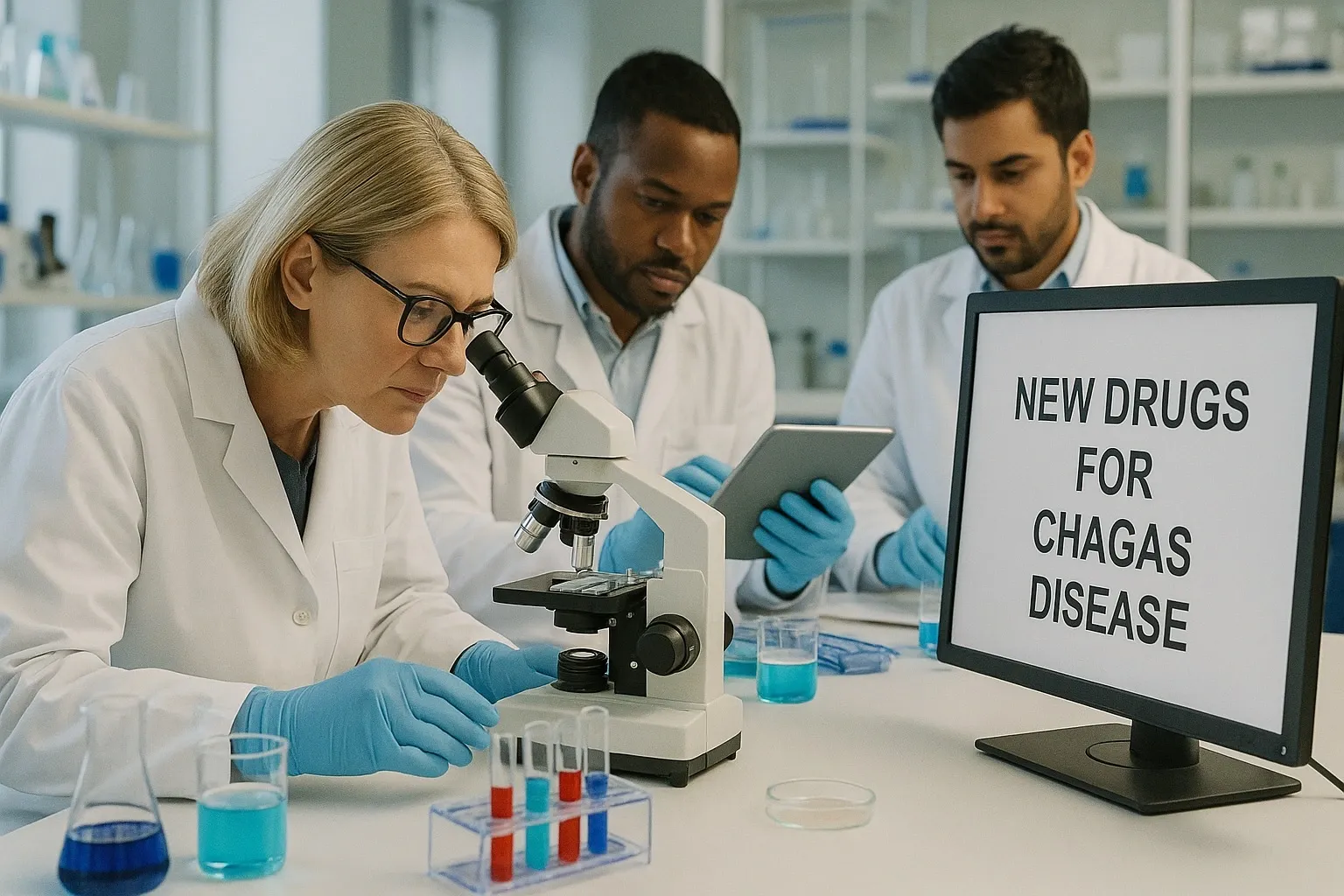
2. Combination therapies – Testing if pairing Benznidazole with other drugs reduces resistance and side effects.
3. Vaccine research – Early animal trials show hope for the future.
A 2024 Lancet study reported shorter regimens may improve adherence without losing effectiveness.
Chagas Disease Treatment: Step-by-Step Care Plan
1. Diagnosis confirmation through blood tests.
2. Treatment prescription – Benznidazole (60 days) or Nifurtimox (60–90 days).
3. Regular monitoring for side effects and response.
4. Follow-up blood tests to confirm parasite clearance.
5. Symptom management for heart or digestive complications.
Comparing Free vs Paid Access to Chagas Disease Treatment
– Free/Low-Cost Access: In Latin America, many governments provide Benznidazole and Nifurtimox free through national health programs.
– Paid Access: In other countries, treatment may be costly and harder to obtain, though WHO is pushing for wider access.
Pros & Cons of Current Chagas Disease Treatment
Pros:
1. Proven effectiveness in early stages.
2. Available through WHO programs.
3. Can reduce severe complications.
Cons:
– Side effects can limit use.
– Less effective in late-stage disease.
– Only two main medications available.
FAQ: Chagas Disease Treatment
Q1: Can Chagas disease be completely cured?
A: Yes, if caught early. In chronic stages, treatment may slow progression but not fully cure.
Q2: What is the best drug for Chagas disease?
A: Benznidazole is considered first-line, with Nifurtimox as an alternative.
Q3: How long is treatment for Chagas disease?
A: Typically 60 days with Benznidazole or 60–90 days with Nifurtimox.
Q4: Are new treatments coming soon?
A: Research on vaccines and combination therapies is ongoing, but no new drugs have replaced the current ones yet.
Why Chagas Disease Treatment Matters
Chagas affects an estimated 6–7 million people worldwide, mostly in Latin America but increasingly in the U.S. and Europe. Effective treatment can save lives by preventing heart failure and digestive complications. Early detection and treatment remain the most powerful tools.