Chagas Disease Caused By: Parasite, Transmission & Risks Explained
Learn what Chagas Disease caused by truly means with a science-backed breakdown of the parasite, transmission routes, and hidden risk factors. This concise guide explains how infection spreads—and who is most vulnerable worldwide.

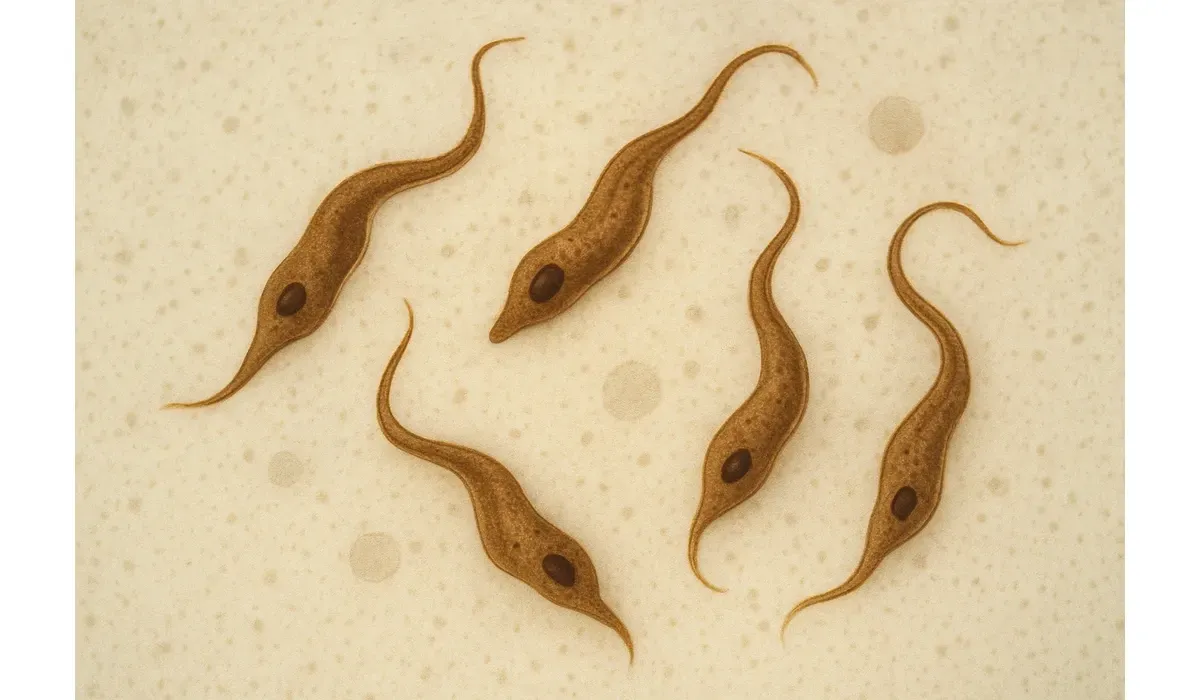
Chagas disease is often called a silent killer because it hides in the body for years before showing symptoms. To fight it effectively, the first step is knowing what Chagas disease is caused by and how it spreads.
What Is Chagas Disease Caused By?
Chagas disease is caused by a parasite known as Trypanosoma cruzi (T. cruzi). This parasite enters the human body mostly through insect bites. Once inside, it can live quietly for years before causing serious heart or digestive problems.
– The main cause: Trypanosoma cruzi parasite.
– Spread through insects called kissing bugs or triatomine bugs.
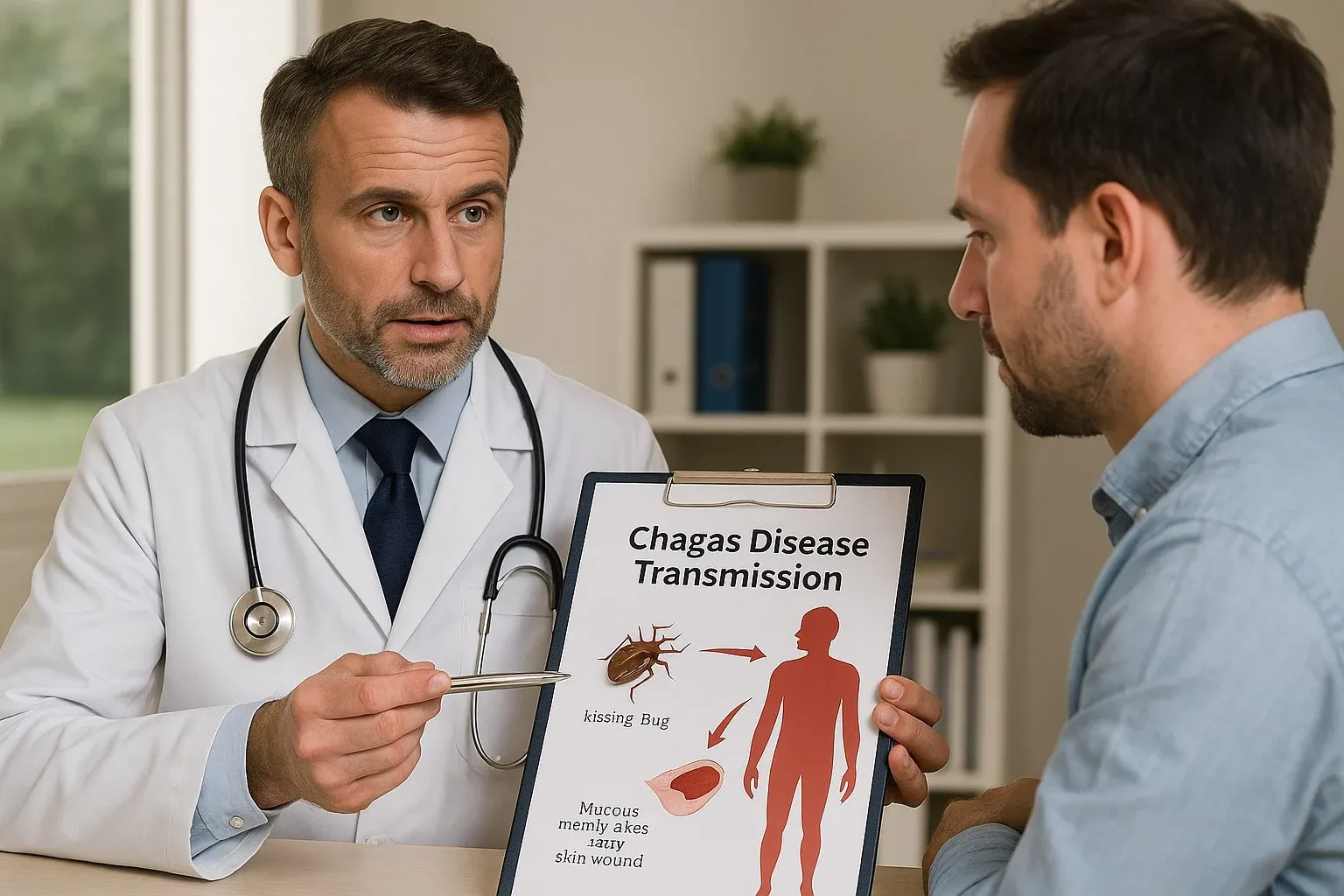
How Is Chagas Disease Transmitted?
Chagas disease does not spread person-to-person through casual contact. Instead, it requires specific pathways.
Main Transmission Routes:
1. Insect Bites (Most Common) – Kissing bugs bite humans at night, parasite enters through skin.
2. Blood Transfusions or Organ Transplants – If donor is infected.
3. Mother-to-Child (Congenital) – Pregnant women can pass parasite to baby.
4. Contaminated Food or Drink – Rare but possible.
5. Laboratory Exposure – Rare, in research settings.
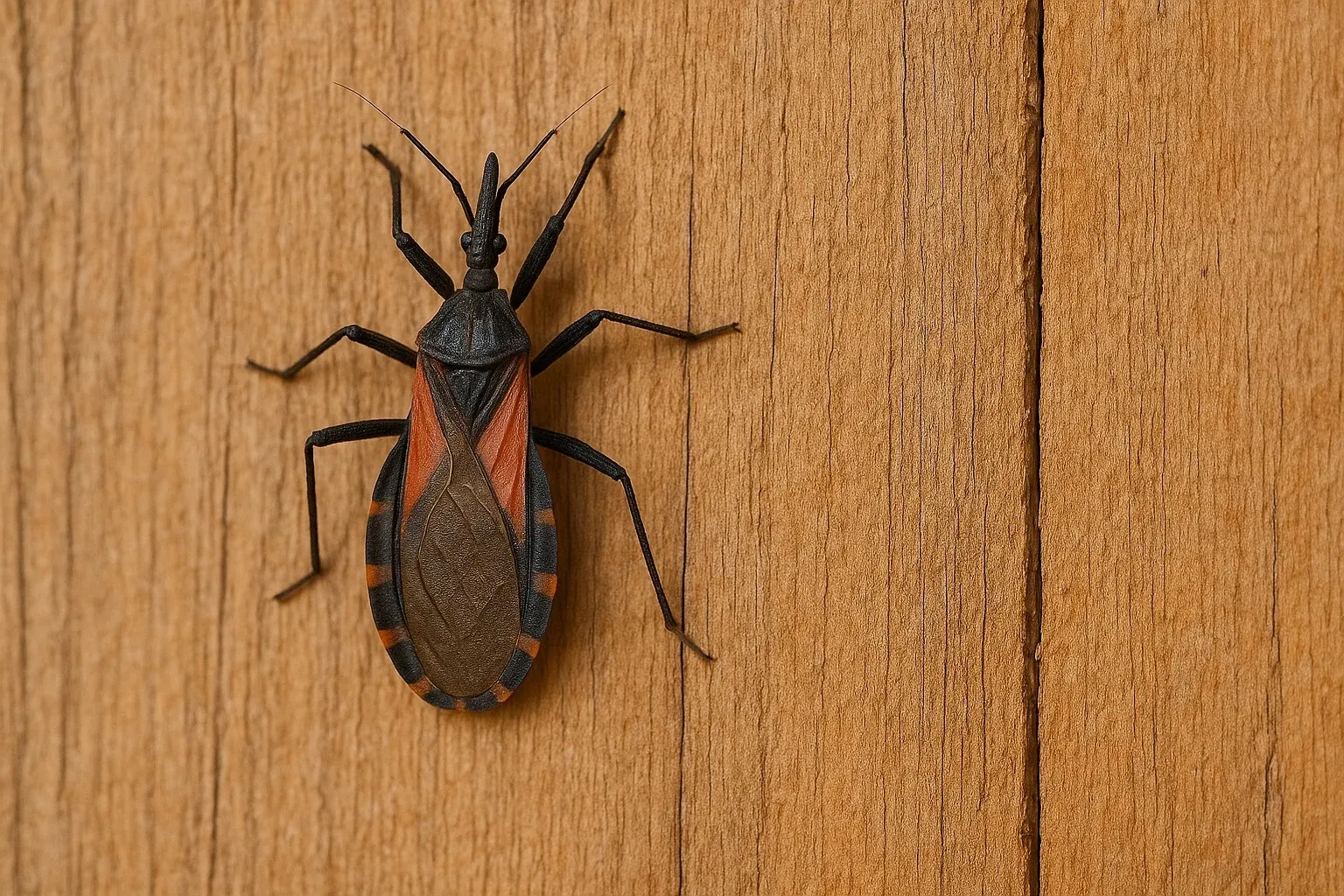
Why the “Kissing Bug” Matters
The kissing bug gets its name because it usually bites near the mouth or eyes. The parasite isn’t spread directly by the bite, but through the insect’s feces near the wound.
– Regions Affected: Mostly Latin America, but cases are rising in U.S. and Europe.
– Risk Factors: Poor housing, mud walls, and thatched roofs provide breeding grounds for kissing bugs.
Chagas Disease Caused By Parasite vs Other Infections
| Disease | Caused By | Transmission Path | Main Complications |
| Chagas Disease | Parasite (T. cruzi) | Insect bites, transfusions | Heart & digestive damage |
| Malaria | Parasite (Plasmodium) | Mosquito bites | Severe anemia, death |
| Tuberculosis | Bacteria (Mycobacterium) | Airborne droplets | Lung damage |
| Influenza | Virus | Airborne droplets | Fever, pneumonia |
What Happens in the Body?
Once the parasite enters the body:
1. Acute Phase (first weeks): Mild flu-like symptoms or swelling at bite site.
2. Indeterminate Phase: No symptoms, parasite remains hidden.
3. Chronic Phase: Years later, heart enlargement or digestive blockages.
According to WHO, about 6–7 million people worldwide are infected, many without knowing.
Prevention: Reducing Risk of Chagas Disease
Since Chagas is caused by a parasite, prevention focuses on avoiding exposure.
– Improve housing to prevent bug infestations.
– Screen blood and organ donations.
– Test pregnant women in endemic areas.
– Cook and store food safely.
– Use insect control programs in high-risk regions.
Pros & Cons of Understanding What Causes Chagas Disease
Pros:
– Helps prevention and control.
– Guides health programs.
– Increases awareness in at-risk populations.
Cons:
– Complex transmission routes.
– Limited awareness in non-endemic regions.
– Parasite can remain hidden for years.
FAQ: Chagas Disease Caused By
Q1: What parasite causes Chagas disease?
A: Trypanosoma cruzi.
Q2: How do people get infected?
A: Mostly through kissing bug bites, also blood transfusions, pregnancy, or food.
Q3: Can Chagas spread person-to-person?
A: No, it doesn’t spread through casual contact.
Q4: Is Chagas disease only in Latin America?
A: No, cases are also reported in U.S., Canada, and Europe.
Why It Matters: The Bottom Line
Chagas disease is caused by a parasite that hides for decades. Knowing how it spreads is the first step in stopping it. With better screening, prevention, and early treatment, millions of lives can be protected.