7 Crucial Things You Can and Cannot Bring Into North Korea – Avoid Costly Mistakes Before You Pack

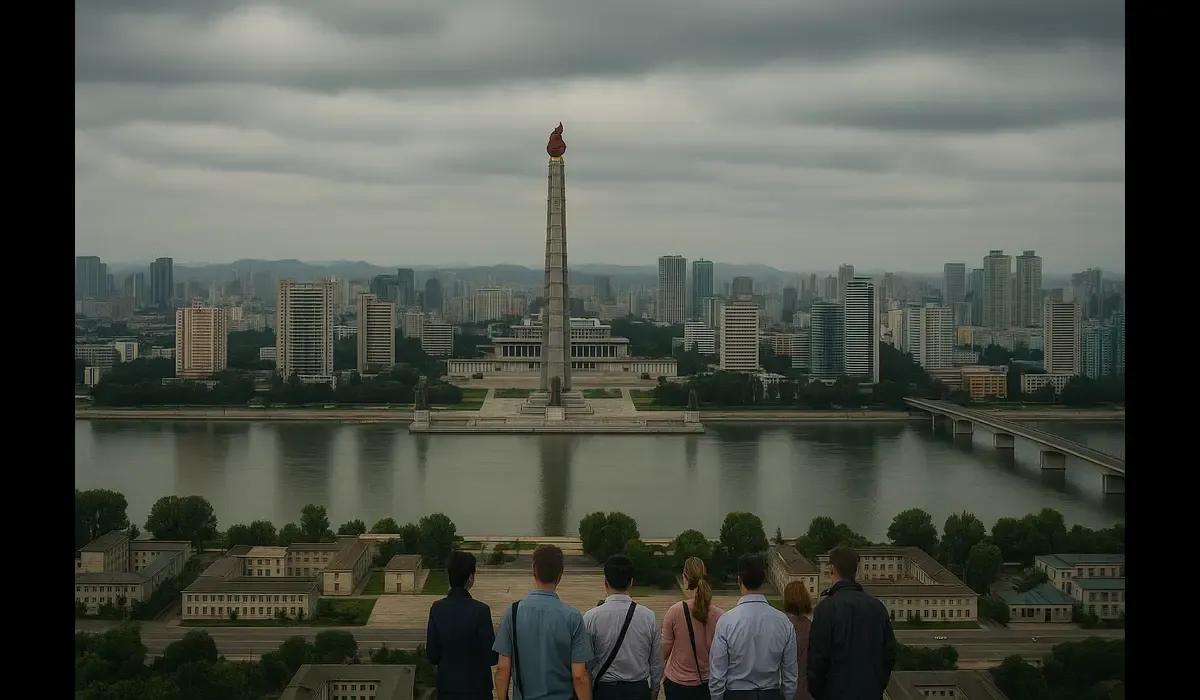
What you can and cannot bring into North Korea is one of the most critical—and least understood—aspects of traveling to this highly restricted country. Every traveler entering the Democratic People’s Republic of Korea (DPRK) is subject to intense customs inspection, government scrutiny, and limited personal freedom.
Unlike most destinations, North Korea treats your luggage not just as personal property but as potential political material. Items that seem harmless elsewhere—like books, newspapers, or electronic devices—can be confiscated or even lead to detainment.
Before you travel, it’s vital to know the exact rules on imports, restricted goods, and inspection procedures. This guide breaks down everything in a clear, practical structure.
- You can bring personal essentials, clothes, and limited electronics.
- You cannot bring political, religious, or foreign media into North Korea.
- All bags are inspected manually, and digital devices may be searched.

$500 PayPal Gift Card
Not everyone qualifies for this $500 PayPal gift card. Checking only takes a moment. You can check if you’re eligible.
What Does “Customs Control” Mean in North Korea?
Customs control in North Korea refers to the strict border inspection carried out on all foreigners entering or leaving the country. It’s not just about preventing contraband—it’s about maintaining ideological security.
Historical Context
Since its founding in 1948, North Korea has guarded its borders to control the flow of information. Foreign tourists were first allowed in limited numbers in the 1980s, but even then, strict customs laws were designed to protect the regime’s political narrative.
Today, every visitor undergoes mandatory customs screening supervised by the Ministry of State Security. Agents manually inspect luggage, review printed materials, and can request to power on electronic devices.
Why Customs Rules Matter for North Korea Travelers
- Political Protection: Customs laws are designed to prevent the import of materials that challenge the state’s authority.
- Safety and Compliance: Violating entry laws can lead to detainment, confiscation, or deportation.
- Cultural Respect: Understanding what to bring (and what not to) ensures you don’t unintentionally offend local customs.
- Legal Clarity: Tourists are responsible for knowing DPRK import laws before entry—ignorance is not accepted as an excuse.
What You Can Bring Into North Korea (Allowed Items)
North Korean authorities do allow several categories of personal goods, provided they are declared honestly and used privately.
1. Clothing and Personal Items
- Everyday wear, formal clothing, and seasonal outerwear.
- Personal hygiene products (toothpaste, soap, shampoo, deodorant).
- Small personal medical kits (without narcotics or prescription drugs).
2. Personal Electronics (With Restrictions)
You may bring:
- Mobile phone (SIM deactivated).
- Camera (non-professional).
- Laptop or tablet (inspected at customs).
Condition: Devices may not contain films, documentaries, or e-books critical of the DPRK. Foreign SIMs and Wi-Fi access will be disabled.
3. Foreign Currency
- USD, EUR, or RMB are accepted for purchases.
- You must declare the amount upon entry.
4. Souvenirs and Personal Gifts
You can bring small items such as chocolates, pens, or national souvenirs for your guides.
5. Reading Material (With Limits)
Permitted: neutral magazines, novels, or travel books.
Prohibited: any content referencing politics, religion, or criticism of North Korea.
What You Cannot Bring Into North Korea (Prohibited Items)
The list of restricted or banned items in North Korea is extensive and strictly enforced.
1. Political or Ideological Material
Any content that:
- Criticizes North Korea’s leadership or political system.
- Promotes Western democracy, human rights, or capitalism.
- Depicts South Korea or the United States positively.
- Includes maps labeling North or South Korea as a separate entity.
Examples:
- News articles, travel guides mentioning “dictatorship.”
- Magazines like The Economist or Time.
- Books on human rights or defectors.
2. Religious Material
All religious symbols and texts are banned, including:
- Bibles, Qurans, prayer beads, or religious pamphlets.
- Missionary materials or media promoting religion.
- Clothing or jewelry with visible religious symbols.
3. Media and Publications
- Films, flash drives, or devices containing foreign movies or news.
- Music videos, especially K-pop or Western media.
- Pornographic material (strictly illegal).
4. Communications and Connectivity Tools
- Satellite phones, GPS trackers, or drones.
- Foreign SIM cards, routers, or Wi-Fi hotspots.
- Bluetooth trackers and certain encrypted USB drives.
5. Professional Equipment
- Large cameras, telephoto lenses, drones, or recording devices.
- Professional broadcasting tools or voice recorders.
6. Restricted Pharmaceuticals
- Sleeping pills, narcotic painkillers, and certain tranquilizers.
- Prescription medicine not declared with a medical note.
7. Foreign Flags or Political Symbols
- South Korean, U.S., or Japanese flags.
- Clothing or accessories with political slogans.
How Does the Inspection Process Work?
Step 1 – Arrival at Pyongyang Airport
- Officials collect your passport and visa card temporarily.
- You complete a customs declaration form listing electronic devices, currency, and reading materials.
Step 2 – Luggage Screening
- Bags pass through x-ray scanners.
- Officers manually open luggage and inspect printed materials.
Step 3 – Device Examination
- You may be asked to power on laptops, tablets, or cameras.
- Memory cards, USB drives, and files can be reviewed.
Step 4 – Questioning
Officers may ask:
- “Why are you visiting?”
- “Who helped you plan this trip?”
- “What content is stored on this device?”
Answer briefly, politely, and truthfully.
Step 5 – Item Confiscation
Items found to be restricted will be temporarily seized and returned upon departure (in most cases).
Comparison: Customs Rules vs. Other Destinations
| Category | North Korea | China | Japan |
|---|---|---|---|
| Political books | Strictly banned | Allowed | Allowed |
| Religious items | Prohibited | Permitted | Permitted |
| Electronic devices | Inspected manually | Scanned | Scanned |
| Photography limits | Severe | Moderate | Minimal |
| Foreign media | Prohibited | Allowed | Allowed |
| Currency declaration | Mandatory | Optional | Optional |
How Strict Is North Korea About Inspections?
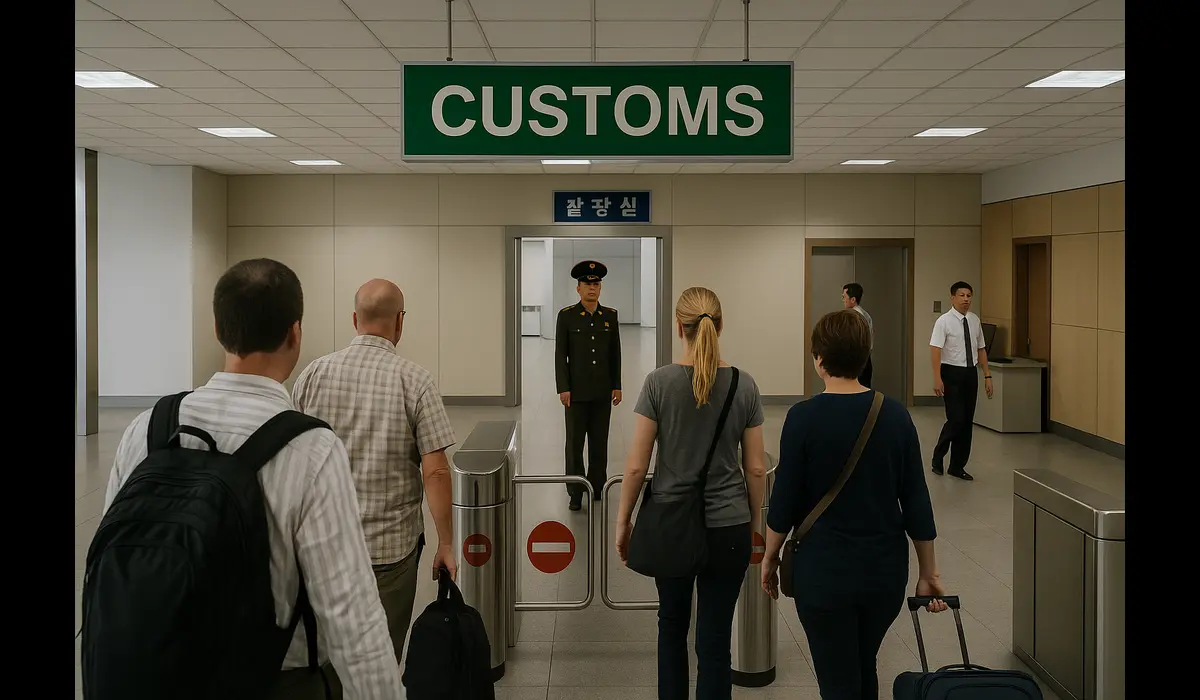
Extremely strict.
Foreign tourists report that border control in the DPRK is among the most meticulous and intimidating in the world. Agents inspect with attention to detail, especially for:
- Unfamiliar packaging or electronic parts.
- Foreign language print media.
- Religious imagery.
You’ll notice customs officials maintaining a calm but authoritative demeanor—every interaction is documented.
Step-by-Step: Packing Guide for Legal Travel
Step 1 – Prepare Documents
Keep passport, visa card, and travel insurance in a separate folder for easy access.
Step 2 – Pack Neutral Clothing
Avoid political prints or national flags. Conservative attire is encouraged.
Step 3 – Clean Your Devices
Delete political content, Western news apps, religious e-books, or films.
Step 4 – Use Basic Electronics
Carry simple cameras and avoid drones or satellite equipment.
Step 5 – Prepare Gifts Thoughtfully
Neutral, friendly items like snacks or postcards are welcome. Avoid political imagery.
Step 6 – Declare Everything Honestly
Always declare electronics, foreign currency, and printed material. Concealment can lead to detention.
Common Mistakes and Myths
Myth 1 – “They Don’t Check Everything.”
False. Officials inspect thoroughly, especially electronics and printed material.
Myth 2 – “Small Religious Items Are Fine.”
Incorrect. Even small crosses or pendants may be confiscated.
Myth 3 – “I Can Use a VPN to Access the Internet.”
False. Internet access is entirely unavailable to tourists.
Myth 4 – “They’ll Jail You for Minor Violations.”
Partly false. Most minor infractions result in item confiscation, not arrest—unless they involve political material.
Myth 5 – “You Can Bribe Customs Officials.”
Absolutely false. Attempting to bribe or negotiate is illegal and dangerous.
Case Study: Confiscated Material Incident
A European tourist once carried a printed guide mentioning North Korea’s “dictatorship.”
Upon inspection, the book was confiscated, and the traveler received a formal warning.
Although no detainment occurred, his guides monitored him closely for the remainder of the trip.
Lesson: Even a single politically sensitive word can trigger confiscation.
Expert Insights
Travel Analyst – Dr. Hyun Park:
“North Korea’s customs rules are not just about border control; they are about ideological defense. Tourists represent potential information leaks—so the government treats every entry as a national security event.”
Former DPRK Tour Guide (anonymous):
“We always advise tourists: bring curiosity, not opinions. Follow the rules, and you’ll enjoy the safest, most unique trip of your life.”
Future Trends: Will the Rules Change?
1. Digital Screening Will Increase
As technology evolves, the DPRK will enhance device screening capabilities.
2. Gradual Relaxation Possible
Under improved diplomacy, the regime might ease certain import rules for cultural exchange programs.
3. Stricter Cybersecurity Measures
Encrypted drives and connected devices will face deeper scrutiny.
4. Controlled Tourism Growth
More tour agencies may receive permits, but ideological content restrictions will remain.

$500 Walmart Gift Card
Not everyone qualifies for this $500 Walmart gift card. Checking only takes a moment. You can check if you’re eligible.
FAQs
Q1: What you can and cannot bring into North Korea?
A: You can bring clothing, personal hygiene items, small electronics, and currency. You cannot bring political, religious, or media content.
Q2: Can I bring my phone into North Korea?
A: Yes, but foreign SIMs are disabled and content will be inspected.
Q3: Can I bring a Bible or religious book?
A: No. All religious materials are strictly prohibited.
Q4: Are laptops allowed in North Korea?
A: Yes, if used privately and cleared by customs.
Q5: Can I take photos freely in North Korea?
A: Only under guide supervision. Unauthorized photography is forbidden.
Q6: What happens if I break customs rules?
A: Confiscation of items, formal warnings, or deportation. Serious violations may result in detainment.
Q7: Can I bring gifts for locals?
A: Yes—neutral items like pens or sweets are acceptable, but never money or political items.
Key Takeaways
- What you can and cannot bring into North Korea is tightly controlled by law.
- Allowed: personal items, basic electronics, declared currency.
- Banned: political, religious, or media content.
- Always declare truthfully and respect customs officers.
- Compliance ensures a smooth, safe, and lawful visit.
Conclusion
Understanding what you can and cannot bring into North Korea is not just a travel necessity—it’s an act of respect and responsibility.
The DPRK’s customs system is unique because it protects ideology as much as borders.
Travelers who prepare wisely, pack thoughtfully, and follow the regulations can experience an unforgettable journey through one of the world’s most mysterious destinations—safely and legally.