Brazilian Model Larissa Bonesi Caught in Haryana Vote Controversy That Shook the Internet
Brazilian model Larissa Bonesi caught in a Haryana vote controversy has triggered a storm of questions about identity, legality, and misinformation. This report unpacks what actually happened, how the issue escalated, and why it captured national attention.

In a bizarre twist of global virality, Brazilian model Larissa Bonesi became the unexpected face of an Indian political storm. The model, known for her glamorous Bollywood collaborations, suddenly found herself linked to a Haryana vote-row controversy after a viral claim mistakenly identified her as the woman in a voter fraud photo.
Within hours, her Instagram was flooded with political memes, puzzled fans, and hundreds of comments from Indian users — many tagging her in jest as “India’s most famous voter.”
What began as a political allegation quickly transformed into an online circus involving mistaken identity, celebrity curiosity, and questions about digital accountability.
What Happened: The Confusion That Started It All
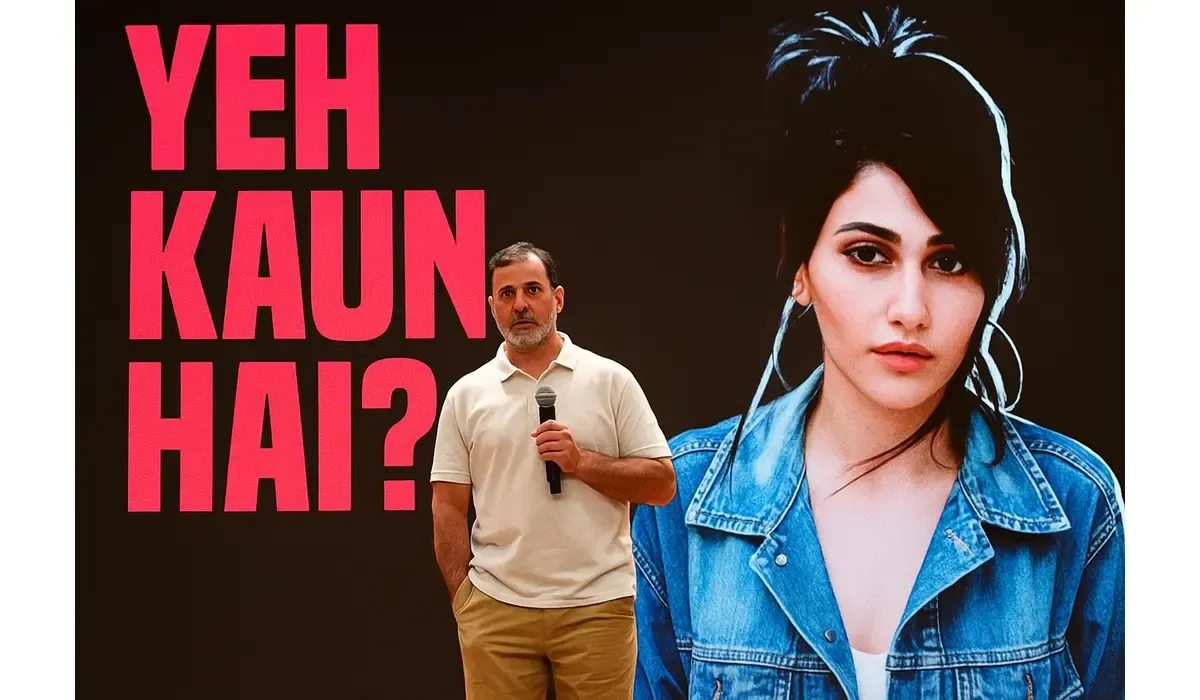
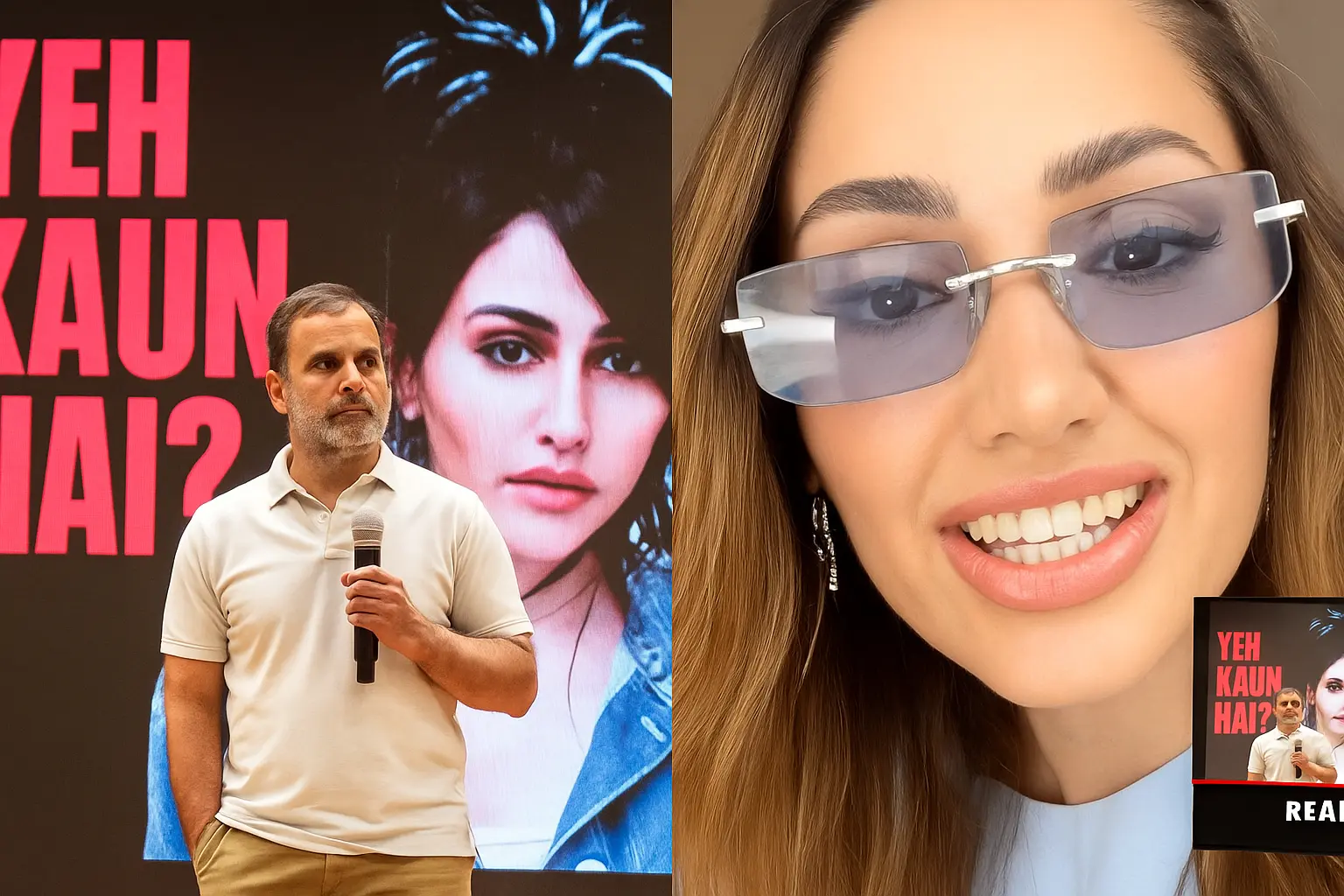
During a press briefing in early November, a senior political leader alleged that a “Brazilian model’s face” appeared on multiple voter IDs in Haryana. A photo was displayed as evidence, showing a woman who resembled Larissa Bonesi.
Social media did the rest. Within hours, posts labeling her as the “Haryana voter” trended across X (formerly Twitter) and Instagram.
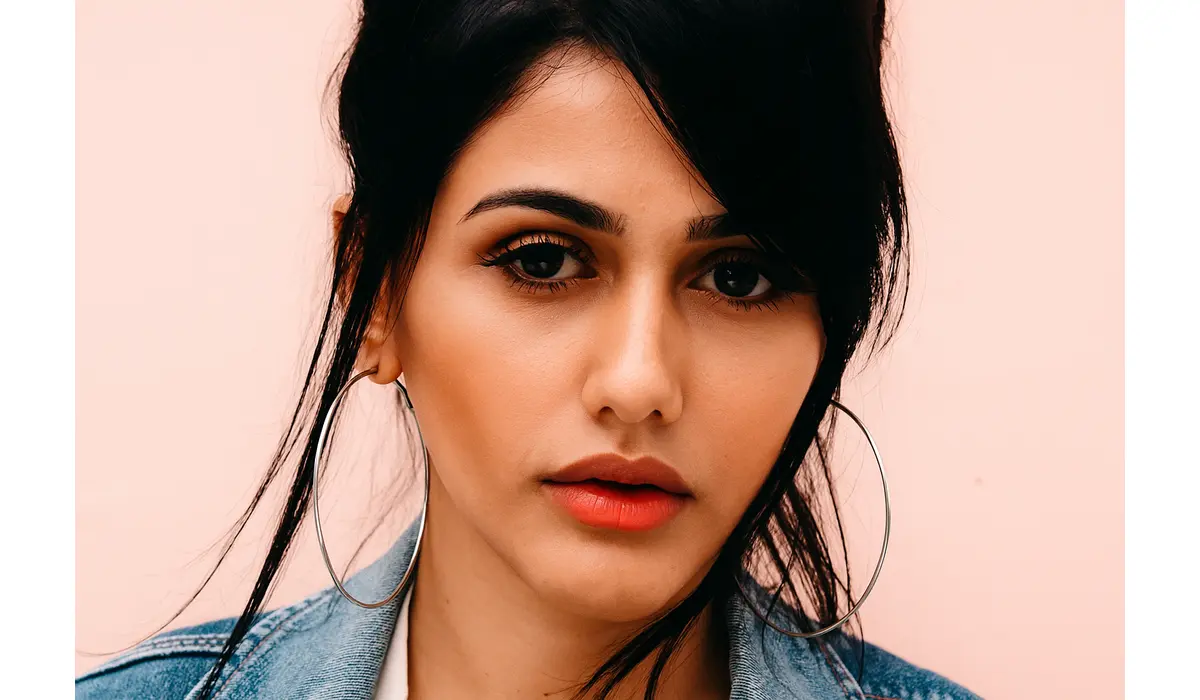
The claim, however, was inaccurate. The woman in the photograph turned out to be Larissa Nery, another Brazilian model whose image was misused online. But by then, the internet had already linked the name Larissa Bonesi to the scandal — sparking widespread curiosity and confusion.

$500 PayPal Gift Card
Not everyone qualifies for this $500 PayPal gift card. Checking only takes a moment. You can check if you’re eligible.
Who Is Brazilian Model Larissa Bonesi?
Before this controversy, Larissa Bonesi was best known for her work as a Brazilian model and actress who made a name for herself in India’s entertainment industry.
She has appeared in several Bollywood and South Indian projects, including dance numbers and ad campaigns. Fans also recognize her from her rumored connection to Bollywood personalities and her social media collaborations with major brands.
Her global appeal and Indian fan base made her the perfect — if accidental — candidate for a viral mix-up.
The Viral Storm: When Misidentification Meets Meme Culture
The brazilian model larissa bonesi story hit social media like wildfire. Within 24 hours:
- “Larissa Bonesi” was trending across multiple Indian platforms.
- Her Instagram engagement skyrocketed, with thousands of comments referencing “Haryana votes.”
- News outlets began reporting the confusion, amplifying the chaos further.
Many users found humor in the situation:
“From Rio to Rewari — our new voter icon,” one comment read.
Others expressed sympathy, calling out the misuse of her image and the irresponsibility of misinformation.
How the Mix-Up Happened
Step 1: A Viral Political Claim
A politician’s visual presentation during a Haryana press conference sparked immediate reactions. The displayed photo allegedly appeared across 22 voter IDs — suggesting fraudulent entries.
Step 2: Internet Assumptions
Online users quickly recognized the face from social media and assumed it was Larissa Bonesi, given her Bollywood visibility and Brazilian background.
Step 3: Media Echo Chamber
Without confirmation, several social posts and unverified blogs mentioned her by name, cementing the false connection.
Step 4: Clarification (Too Late)
Shortly afterward, sources identified the woman as Larissa Nery, another Brazilian citizen unrelated to Indian politics. But by then, Bonesi’s name had gone global.
Expert Opinion: When Celebrity Meets Misinformation
Dr. Rhea Sinha, Digital Media Researcher at Mumbai University, explains:
“The brazilian model larissa bonesi incident illustrates the domino effect of virality. A single political claim, amplified by algorithmic engagement, can transform an unrelated celebrity into a trending controversy overnight.”
Cybersecurity expert Arun Pillai adds:
“This is a textbook example of visual misinformation. The speed of social media sharing outpaces the speed of verification. Even when corrected, the first impression lingers longer than the truth.”
These expert insights underline the vulnerability of public figures — especially international personalities — whose images circulate freely online.
The Broader Impact: What It Says About the Internet in 2025
The Larissa Bonesi case is more than a mistaken identity story. It highlights how digital narratives can spiral uncontrollably in today’s hyperconnected environment.
1. Celebrity as Collateral
Fame comes with a cost — public figures are easier targets for digital confusion. Bonesi’s case shows how recognizable faces can unintentionally fuel misinformation.
2. Algorithmic Amplification
Social platforms reward engagement over accuracy. The mix-up spread not because it was true, but because it was entertaining — blending politics, glamour, and absurdity.
3. Cultural Crossroads
That an Indian state’s election could involve a Brazilian model reflects globalization at its quirkiest. The incident also shows how internet humor now transcends national boundaries.
Timeline: How It All Unfolded
| Date | Event |
|---|---|
| Nov 4, 2025 | Political leader claims a Brazilian model’s photo appears on Haryana voter IDs. |
| Nov 5, 2025 | Image goes viral; social media users assume it’s Larissa Bonesi. |
| Nov 6, 2025 | Clarification emerges identifying the actual woman as Larissa Nery. |
| Nov 7, 2025 | Bonesi’s Instagram flooded with memes and comments about “voting 22 times.” |
| Nov 8, 2025 | Discussions shift to misinformation and digital ethics. |
Public Reaction
- Fans amused: “Only Larissa can win elections without standing in one.”
- Critics alarmed: “How can public figures’ images be used this irresponsibly?”
- Influencers curious: “The crossover we didn’t expect — Brazil meets Haryana politics.”
Even international media picked up the story, calling it “a uniquely 2025 internet phenomenon.”
Why This Story Refuses to Die Down
The story of brazilian model larissa bonesi endures because it sits at the crossroads of three high-engagement topics:
- Politics — a voter-fraud narrative.
- Celebrity — an attractive public figure with a Bollywood connection.
- Viral culture — global humor and instant sharing.
Together, these make for the perfect storm of curiosity, misinformation, and digital entertainment.
Practical Takeaways for Readers
- Verify before sharing: Reverse image searches or reputable news outlets can prevent misinformation loops.
- Protect your image: Public figures should use watermarking or rights management tools for personal media.
- Media literacy matters: Audiences must learn to separate humor from harm in viral discourse.
- Be empathetic: Viral fame isn’t always flattering — often, it’s invasive.

$750 Amazon Gift Card
Some users qualify for a $750 Amazon gift card. You can check if you qualify.
FAQs
Q1. Is the brazilian model larissa bonesi involved in Haryana elections?
No. Her image was mistakenly associated with a voter-fraud photo, which actually belonged to another Brazilian woman, Larissa Nery.
Q2. Did Larissa Bonesi respond to the controversy?
She has not issued a public statement, though sources close to her say she was “surprised and amused” by the confusion.
Q3. Why did the confusion go viral in India?
Because Larissa Bonesi has worked in Bollywood and has an Indian fan following, making her instantly recognizable to local audiences.
Q4. Is this case being investigated officially?
Authorities have clarified that the viral photo was misused and not related to any actual voter in Haryana.
Key Takeaways
- Brazilian model Larissa Bonesi became a viral sensation after her photo was mistakenly linked to an Indian election row.
- The case underscores how quickly misinformation spreads online — and how it affects public figures.
- Experts urge stronger digital literacy and accountability in handling political visuals.
Conclusion
The brazilian model larissa bonesi controversy is proof that in the digital age, truth often arrives second to virality.
What began as a political talking point evolved into a cautionary tale about identity, misinformation, and the internet’s unstoppable appetite for drama.
From São Paulo to Haryana, Larissa’s accidental brush with Indian politics will likely remain one of 2025’s strangest — and most telling — viral stories.