Brain Eating Amoeba: What You Must Know
Learn the critical facts about Brain Eating Amoeba with this research-backed guide to symptoms, causes, and real risk factors. Understand how infections occur, early warning signs to watch for, and why rapid medical action is vital.

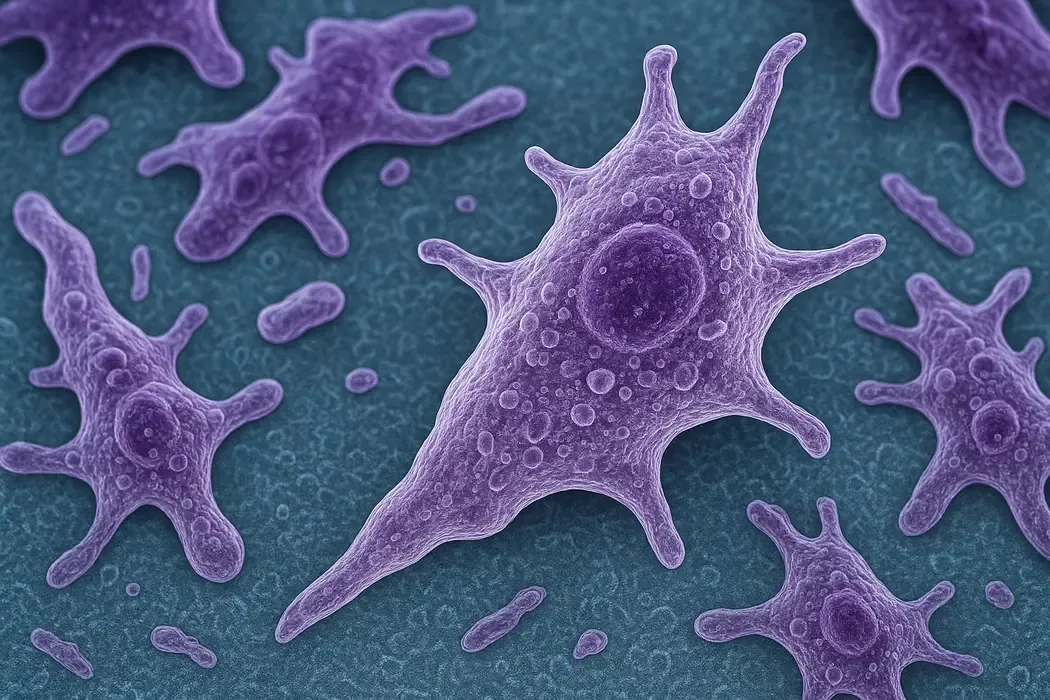
A microscopic organism called the brain eating amoeba has captured headlines worldwide because of its alarming fatality rate. Though rare, this infection—caused by Naegleria fowleri—can turn deadly within days. In this article, you’ll learn what it is, how it spreads, symptoms to watch for, and the steps you can take to protect yourself.
What Is the Brain Eating Amoeba?
The brain eating amoeba, scientifically named Naegleria fowleri, is a single-celled organism commonly found in warm freshwater such as lakes, rivers, and hot springs.
Despite its frightening name, the amoeba does not “eat” brains. Instead, it enters the body through the nose and travels to the brain, where it causes primary amebic meningoencephalitis (PAM)—a severe brain infection.
Where Is It Found?
The amoeba thrives in:
- Warm freshwater lakes and rivers
- Hot springs and untreated pools
- Soil and poorly maintained water systems
- Industrial wastewater and warm tap water (rare cases)
It is more common in tropical and subtropical climates but has been reported in the United States, India, and several other countries.

How Does the Brain Eating Amoeba Infect Humans?
Infection occurs when contaminated water enters the body through the nose, usually during swimming, diving, or using unclean tap water for nasal irrigation.
It does not spread by drinking contaminated water or through person-to-person contact.
Once inside, the amoeba travels along the olfactory nerve to the brain, triggering severe inflammation.
Brain Eating Amoeba Symptoms
Early symptoms appear within 1–9 days after exposure. They can be mistaken for viral meningitis, making early detection difficult.
Early signs include:
- Severe headache
- Fever
- Nausea and vomiting
- Stiff neck
Advanced symptoms include:
- Confusion
- Loss of balance
- Seizures
- Hallucinations
- Coma
Once symptoms appear, the disease progresses rapidly—often leading to death within a week.
Brain Eating Amoeba Treatment
Currently, there is no guaranteed cure. However, some treatments have shown promise when diagnosed early.
Doctors may use a combination of:
- Amphotericin B (antifungal drug)
- Miltefosine (anti-parasitic medicine)
- Azithromycin or fluconazole (supportive drugs)
- Induced hypothermia (to reduce brain swelling)
Survival rates are extremely low—only a handful of cases worldwide have been successfully treated.
Why Is It Called the “Brain Eating Amoeba”?
The term comes from the way the amoeba destroys brain tissue once it reaches the central nervous system. This tissue damage leads to the rapid decline of the patient.
While the name sounds sensational, it highlights the seriousness of the infection.
Who Is at Risk?
The risk of infection is higher for:
- People swimming or diving in warm freshwater
- Children and teenagers (because of frequent water activity)
- Those using untreated water for sinus rinsing
- Residents in areas with poor water management systems
How to Prevent Brain Eating Amoeba Infection
Since treatment is limited, prevention is the best defense.
Practical safety tips:
- Avoid swimming in warm freshwater during hot seasons.
- Use nose clips when diving or swimming.
- Do not stir up sediment in shallow, warm water.
- Use only sterile or boiled water for nasal irrigation.
- Ensure swimming pools are properly chlorinated.

Global Cases and Statistics
- In the United States, around 0–8 cases per year are reported.
- Over 97% of infections are fatal.
- India has also reported increasing cases, often linked to poorly treated municipal water.
Despite the small number of cases, the high mortality rate keeps public health officials on alert.
Why It Matters
While the chances of infection are very rare, the consequences are devastating. Climate change and rising water temperatures could expand the amoeba’s habitat, increasing the risk in new regions.
Awareness, quick diagnosis, and safe water practices are essential to saving lives.
FAQs on Brain Eating Amoeba
1. Can you get brain eating amoeba from tap water?
Yes, but only if the water is untreated or poorly treated and used for nasal rinsing or enters the nose. Drinking tap water does not cause infection.
2. Is brain eating amoeba contagious?
No, it cannot spread from person to person.
3. Can chlorine kill brain eating amoeba?
Yes, properly chlorinated pools are safe. The amoeba cannot survive in well-maintained chlorinated water.
4. How common is brain eating amoeba infection?
Extremely rare. Only a few hundred cases have been reported worldwide, but the fatality rate is very high.
Conclusion
The brain eating amoeba is a rare but deadly organism that demands awareness and caution. While treatment remains limited, simple preventive measures—like using clean water and practicing safe swimming habits—can significantly reduce risk.