Best Budgeting Apps in 2025 That Actually Save You Money
Explore the best budgeting apps in 2025 with insights on features that genuinely help users save more. This concise guide highlights tools that simplify tracking, cut expenses, and improve financial control.

Introduction
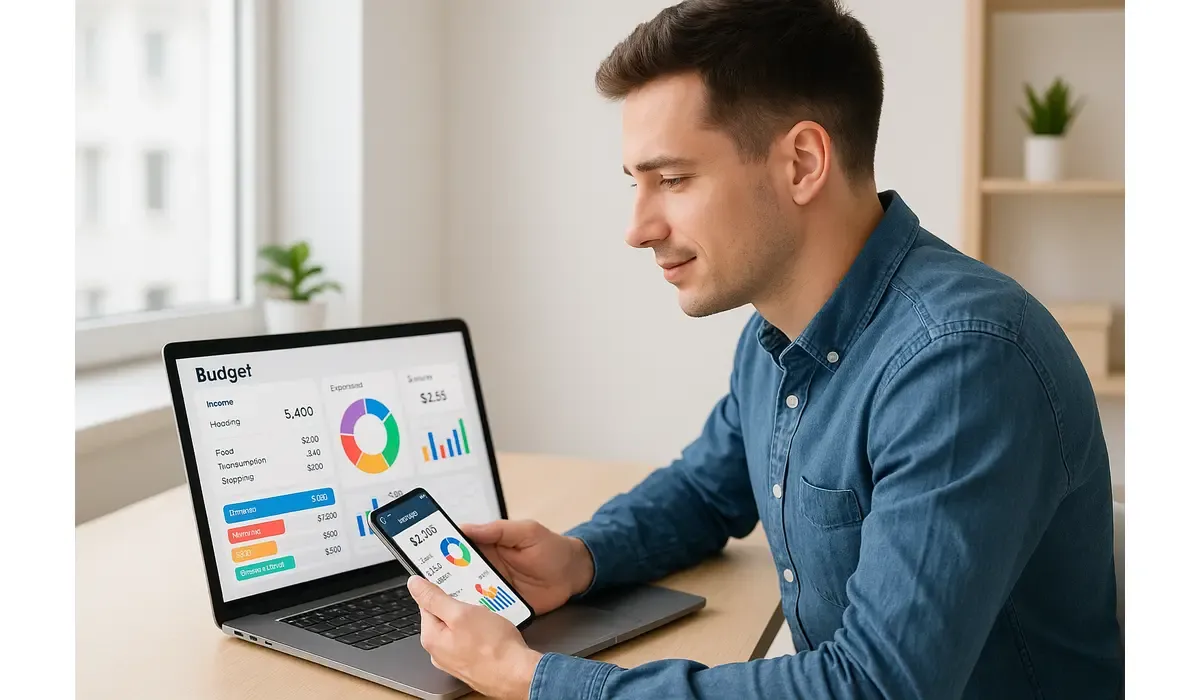
The best budgeting apps in 2025 are helping millions of people cut spending waste and grow their savings without complicated spreadsheets. In a world where the average person overspends by $7,400 annually according to a 2024 LendingTree survey, smart money tools have become the difference between financial stress and financial freedom.
What makes these apps powerful is how seamlessly they fit into everyday life. Instead of juggling receipts or creating endless Excel sheets, you can open your phone and instantly see where your money goes. Many apps now connect to multiple bank accounts, track bills in real-time, suggest savings goals based on spending patterns, and even automate deposits into emergency funds or travel savings accounts.

For example, students juggling tuition and part-time income can use budgeting apps to set strict food and rent budgets, while families managing joint expenses benefit from shared digital “envelopes” that keep grocery, school, and utility costs under control. Frequent travelers or freelancers can automate expense tracking across currencies and accounts, saving hours of manual work each month.
In short, the right app doesn’t just track money—it teaches better money habits. If you’ve struggled with saving before, these apps can finally give you the edge you need to stay consistent.
Expanded Key Takeaways
- Automation + Alerts = Smarter Savings
The best budgeting apps in 2025 use automation to track expenses, send real-time alerts for overspending, and remind you about upcoming bills—so nothing slips through the cracks. - Choose Based on Lifestyle Needs
There’s no one-size-fits-all solution. Students may need lightweight apps with free features, families benefit from shared-account apps, and business travelers prefer tools that handle multiple currencies and accounts. - Avoid Costly Mistakes
Forgetting about recurring subscriptions, ignoring small daily expenses like takeout coffee, or switching apps too often can reduce effectiveness. Successful users stick to one app and review it regularly. - Savings Are Tangible
Studies show dedicated users of budgeting apps save 10–15% more per year than those without a tracking system. That’s the equivalent of an extra vacation fund, faster debt repayment, or a stronger emergency cushion. - The Real Value Is Awareness
More than numbers, budgeting apps give clarity. They help answer the big question: “Where is my money really going?”—and that awareness leads to better choices.
What Are Budgeting Apps?
Budgeting apps are digital tools that help individuals and families manage income, expenses, and savings in one place. Instead of writing numbers into a notebook, these apps connect to your bank accounts and credit cards, offering real-time insights into spending patterns.
They typically provide:
- Expense tracking — automatically categorizing transactions.
- Budget creation — assigning monthly limits by category.
- Savings goals — visual progress toward emergency funds or big purchases.
- Bill reminders — reducing late fees and overdrafts.
Since the mid-2010s, these apps have transformed from simple calculators into full-fledged money management platforms. In 2025, the best budgeting apps also integrate with digital wallets, investment accounts, and even retirement planning tools.
Why Budgeting Apps Matter in 2025
Personal finance isn’t just about saving—it’s about adapting to new financial realities. Here’s why budgeting apps are more important than ever:
- Rising Costs of Living: Inflation in 2024 and early 2025 pushed household spending up by an average of 6–8% globally.
- Subscription Overload: The average person now pays for 8+ subscription services, many forgotten after sign-up.
- Digital Banking Growth: With more cashless transactions, manual tracking is nearly impossible.
- Financial Stress: A PwC report in 2024 showed 57% of employees cite money as their top source of stress.
Budgeting apps give people control and clarity. With automatic reminders, visual dashboards, and personalized alerts, they prevent overspending before it happens.
Which Are the Best Budgeting Apps in 2025?
Below is a detailed look at the top apps dominating the market this year.
1. YNAB (You Need A Budget)
- Best For: Zero-based budgeting fans

- Strengths: Teaches proactive budgeting, great for debt payoff
- Weakness: $14.99/month subscription may not suit beginners
2. Mint (Revamped 2025 Edition)
- Best For: Beginners and casual budgeters
- Strengths: Free to use, easy dashboard, subscription tracking
- Weakness: Limited investment integration
3. Goodbudget
- Best For: Families sharing expenses
- Strengths: Envelope system, syncs across devices
- Weakness: Manual entry can be tedious
4. PocketGuard
- Best For: Students and young professionals

- Strengths: Shows “safe-to-spend” balance after bills/savings
- Weakness: Limited custom categories
5. Empower (formerly Personal Capital)
- Best For: Those who want budgeting + wealth management
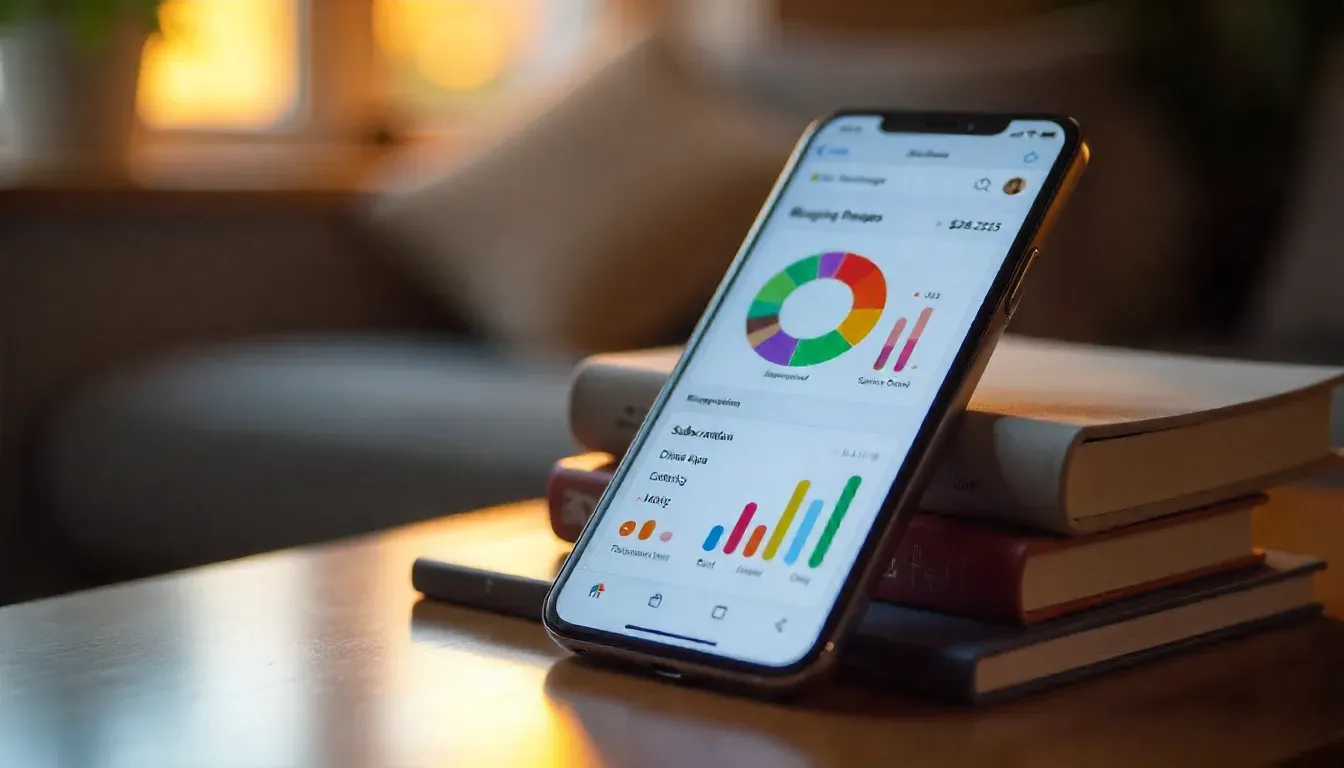
- Strengths: Tracks net worth, investments, and retirement
- Weakness: Overkill for those only seeking expense tracking
6. Fudget
- Best For: Minimalists and offline users
- Strengths: Lightweight, ad-free, great for simple lists
- Weakness: Lacks automation
7. Zeta Money Manager
- Best For: Couples managing shared finances

- Strengths: Joint expense tracking, bill-splitting features
- Weakness: Limited investment features
How Do the Best Budgeting Apps in 2025 Compare?
| App | Price | Best For | Unique Feature | Rating (2025) |
|---|---|---|---|---|
| YNAB | $14.99/month | Zero-based fans | Teaching-based budgeting system | 4.8/5 |
| Mint | Free | Beginners | Subscription tracking | 4.5/5 |
| Goodbudget | $8/month | Families | Envelope sharing | 4.3/5 |
| PocketGuard | Free/$7.99/mo | Students | Safe-to-spend alerts | 4.4/5 |
| Empower | Free | Investors | Net worth dashboard | 4.6/5 |
| Fudget | $5.99 one-time | Minimalists | Offline mode | 4.1/5 |
| Zeta | Free | Couples | Shared accounts | 4.5/5 |
What Features Should You Look for in a Budgeting App?
When choosing among the best budgeting apps in 2025, prioritize:
- Bank Syncing: Real-time account updates.
- Customization: Ability to create categories that match your lifestyle.
- Goal Tracking: Set savings milestones.
- Alerts: Notifications for overspending or upcoming bills.
- Cross-Device Use: Sync across phones, tablets, and desktops.
Step-by-Step Guide: How to Use Budgeting Apps Effectively
- Choose the Right App: Match features with your needs.
- Connect Accounts: Link checking, credit, and savings accounts.
- Set Categories: Food, rent, utilities, entertainment, subscriptions.
- Create Goals: Emergency fund, travel, debt repayment.
- Review Weekly: Check dashboards and adjust categories.
- Automate Savings: Use apps that transfer money automatically.
Common Mistakes to Avoid
- Ignoring Recurring Subscriptions: Leads to “silent spending.”
- Over-Categorizing: Too many categories make tracking confusing.
- Relying Only on Automation: Manual check-ins improve awareness.
- Switching Apps Too Often: Consistency matters more than novelty.
Expert Insights & Case Studies
- A 2025 NerdWallet study found people using YNAB saved $600 more annually than non-users.
- Case Study: A New York family of four cut grocery overspending by 18% using Goodbudget’s envelope method.
- Quote: “Budgeting apps aren’t just trackers—they’re behavior change tools,” says CFP Sarah Nguyen.
Future Trends in Budgeting Apps
Looking ahead, budgeting apps will:
- Integrate with Crypto Wallets: Tracking digital assets alongside fiat.

- Offer Smarter Automation: Predictive savings suggestions.
- Expand into Financial Wellness: Credit building and debt counseling.
- Gamify Savings: Leaderboards, challenges, and milestone badges.
FAQs
What are the best budgeting apps in 2025 for beginners?
Mint and PocketGuard are top choices for ease of use.
Which budgeting app is best for families?
Goodbudget and Zeta are great for shared expenses.
Are free budgeting apps effective?
Yes, but paid apps like YNAB often provide better tools.
Can budgeting apps really help save money monthly?
Yes—studies show consistent users save 10–15% more.
Which budgeting apps track subscriptions?
Mint and PocketGuard excel at subscription monitoring.
What’s the best budgeting app for students?
PocketGuard for affordability and simplicity.
Do budgeting apps work offline?
Fudget is the best offline option.
Can these apps connect to investment accounts?
Empower and YNAB integrate with investments.
Which app is best for couples?
Zeta Money Manager.
Do budgeting apps share data with banks?
Most use encrypted bank-level security
Key Takeaways
- The best budgeting apps in 2025 help users save monthly with automation and goal tracking.
- Free options like Mint are great starters, while YNAB is for serious planners.
- Families, couples, and students benefit from niche-focused apps.
- Avoid common mistakes by checking subscriptions and reviewing weekly.
Conclusion
The best budgeting apps in 2025 are far more than simple tools for expense tracking—they act as personal finance coaches in your pocket. They don’t just tell you how much you spent; they give context, warnings, and even solutions to help you course-correct in real time. Whether you’re a student managing limited income, a family balancing multiple expenses, or a professional juggling travel, savings, and investments, there’s an app designed to fit your lifestyle and financial goals.
What truly makes these apps valuable is how they change behavior over time. With features like automated savings transfers, overspending alerts, and visual progress trackers, users gain both awareness and motivation. Instead of reacting to money problems after they happen, budgeting apps empower you to plan ahead—turning monthly chaos into structured financial growth.
It’s also important to note that budgeting apps are not magic solutions. Success depends on consistency and honesty—tracking all expenses, sticking to goals, and regularly reviewing progress. When used correctly, these apps have been shown to help individuals save 10–15% more each year, a difference that can fund vacations, accelerate debt repayment, or build emergency funds.
Ultimately, the right budgeting app is the one you’ll actually use. Explore the top picks, choose the tool that fits your needs, and commit to it. With discipline and the right digital support, you can transform your money habits, eliminate unnecessary stress, and build the financial future you deserve.