The Best AI Chatbots for Small Businesses Today
Discover the best AI chatbots for small businesses today with this practical guide to tools that streamline customer support, boost efficiency, and help you scale smarter with minimal effort.

Your 24/7 Digital Employee
Running a small business means wearing many hats — customer service, sales, marketing, and more. But what if one tool could take some of those hats off your head?
In 2025, AI chatbots have become the “always-on digital employees” for small businesses. They answer questions, handle leads, and even boost sales while you sleep. The best part? Many are affordable — or even free.
Let’s explore the best AI chatbots for small businesses today, their strengths, limits, and why they matter.
Why Small Businesses Need AI Chatbots
A recent Zendesk report found that 69% of customers prefer self-service first before talking to a human. That means if you don’t have a chatbot, you’re leaving opportunities (and sales) on the table.
AI chatbots help by:
– Answering FAQs instantly.
– Qualifying leads before they reach sales.
– Handling support tickets without adding staff.
– Engaging customers 24/7, even outside business hours.
What most owners don’t know: Modern AI chatbots don’t just “reply” — they integrate with tools like Shopify, HubSpot, or Stripe to actually process sales, schedule appointments, or issue refunds.
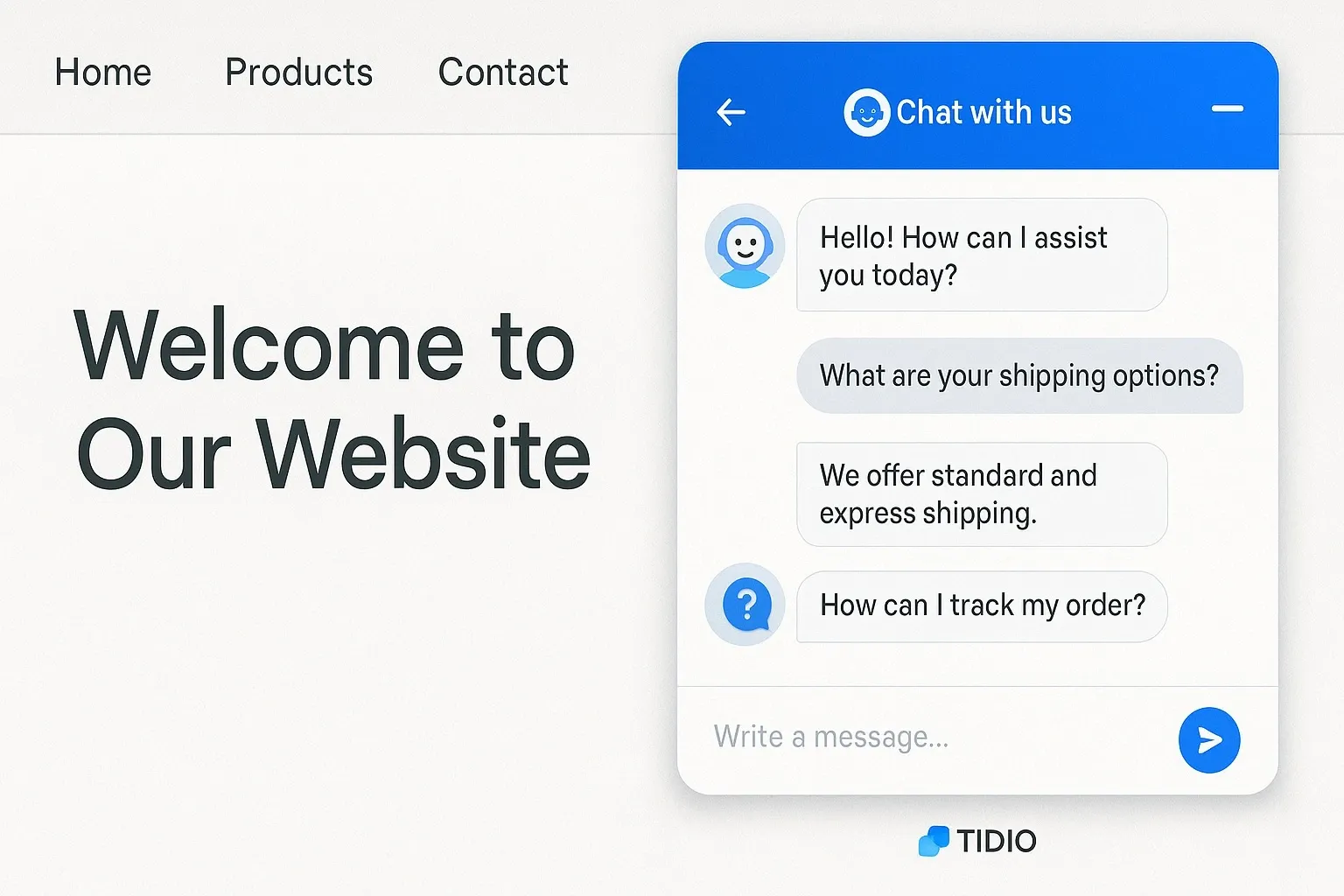
1. Tidio: Budget-Friendly Chatbot for Small Teams
How it works: Tidio offers live chat + AI chatbot features in one app. It’s great for small businesses that want simple automation without breaking the bank.
Pros:
– Easy to set up in minutes.
– Integrates with Shopify, WordPress, and Wix.
– Combines live chat + chatbot in one dashboard.
Cons:
– Limited advanced customization.
– Can get pricey as volume scales.
Free vs Paid:
– Free: Up to 50 conversations/month.
– Paid: From $29/month with unlimited conversations.
Surprise stat: According to Tidio, businesses using its chatbot see a 12% average increase in sales conversions.
2. Intercom: Powerful but Pricey
How it works: Intercom is more than a chatbot — it’s a full customer communication platform. AI bots answer FAQs, triage issues, and hand over complex queries to humans.
Pros:
– Excellent for scaling customer support.
– Smart routing between AI and human agents.
– Advanced integrations with CRM and analytics tools.
Cons:
– Expensive for very small businesses.
– Requires training for best results.
Free vs Paid:
– Free: Limited trial only.
– Paid: Starts around $39/month per seat.
Mini-comparison: Tidio wins for affordability. Intercom wins for scalability and advanced features.
3. Drift: AI Chatbot for Sales and Lead Generation
How it works: Drift focuses on conversational marketing. Its AI chatbot engages website visitors, qualifies leads, and books meetings automatically.
Pros:
– Great for B2B companies.
– Can schedule calls directly in your calendar.
– Personalized lead nurturing.
Cons:
– More focused on sales than support.
– Higher learning curve than simpler bots.
Free vs Paid:
– Free: No permanent free plan.
– Paid: Starts at $2,500/year (best for growing teams).
What most people don’t know: Drift reports that its AI chatbots can increase qualified pipeline by 20% when used consistently.
4. ManyChat: Best for Social Media & E-Commerce
How it works: ManyChat specializes in chatbots for Instagram, Facebook Messenger, and WhatsApp. Perfect for small e-commerce stores or service providers.
Pros:
– Strong integrations with Shopify and Stripe.
– Easy to build marketing flows (discount codes, abandoned cart reminders).
– Mobile-friendly for social-first businesses.
Cons:
– Limited beyond social media.
– Requires creative flow design for best results.
Free vs Paid:
– Free: Basic automation on Messenger and Instagram.
– Paid: From $15/month with advanced integrations.
Real-world example: A boutique shop can set up ManyChat to auto-reply to Instagram DMs, share product links, and close sales — all without staff.
5. Chatfuel: DIY Chatbot Builder for Beginners
How it works: Chatfuel offers a drag-and-drop builder to create bots for Messenger, WhatsApp, or your website. It’s made for small business owners who want control without coding.
Pros:
– No coding needed.
– Works across multiple channels.
– Affordable for startups.
Cons:
– Less advanced AI compared to Intercom or Drift.
– Best for FAQs and simple automations.
Free vs Paid:
– Free: Limited plan for Messenger.
– Paid: From $15/month.
Stat: Chatfuel says its bots handle over 1 billion conversations per year, proving reliability at scale.
Quick Comparison: Best AI Chatbots for Small Businesses
1. Tidio → Best budget-friendly starter chatbot.
2. Intercom → Best for scaling customer support.
3. Drift → Best for B2B lead generation.
4. ManyChat → Best for social media & e-commerce.
5. Chatfuel → Best DIY chatbot builder.
Why These AI Chatbots Matter in 2025
Customers today expect instant responses. For small businesses, that’s tough without a big support team.
AI chatbots bridge the gap by:
– Saving time (answering FAQs instantly).
– Saving money (reducing support headcount).
– Driving revenue (capturing leads and closing sales).
Bottom line: For small businesses in 2025, AI chatbots aren’t optional — they’re the digital employees that keep you competitive.
FAQs: The Best AI Chatbots for Small Businesses Today
1. Are AI chatbots expensive for small businesses?
Not necessarily. Tools like Tidio and ManyChat start at under $30/month.
2. Can AI chatbots replace human employees?
Not fully. They’re great for FAQs and simple tasks, but complex issues still need humans.
3. Which AI chatbot is best for e-commerce?
ManyChat for social sales or Tidio for Shopify/WooCommerce integration.
4. Do AI chatbots actually boost revenue?
Yes. Studies show chatbots can increase conversions by 10–20% when used effectively.