Autism Medication: Types, Benefits, and Risks
Understand Autism medication options with this research-backed guide to approved treatments, potential benefits, and known risks. Learn how different therapies support symptom management—and what families should carefully consider before starting treatment.

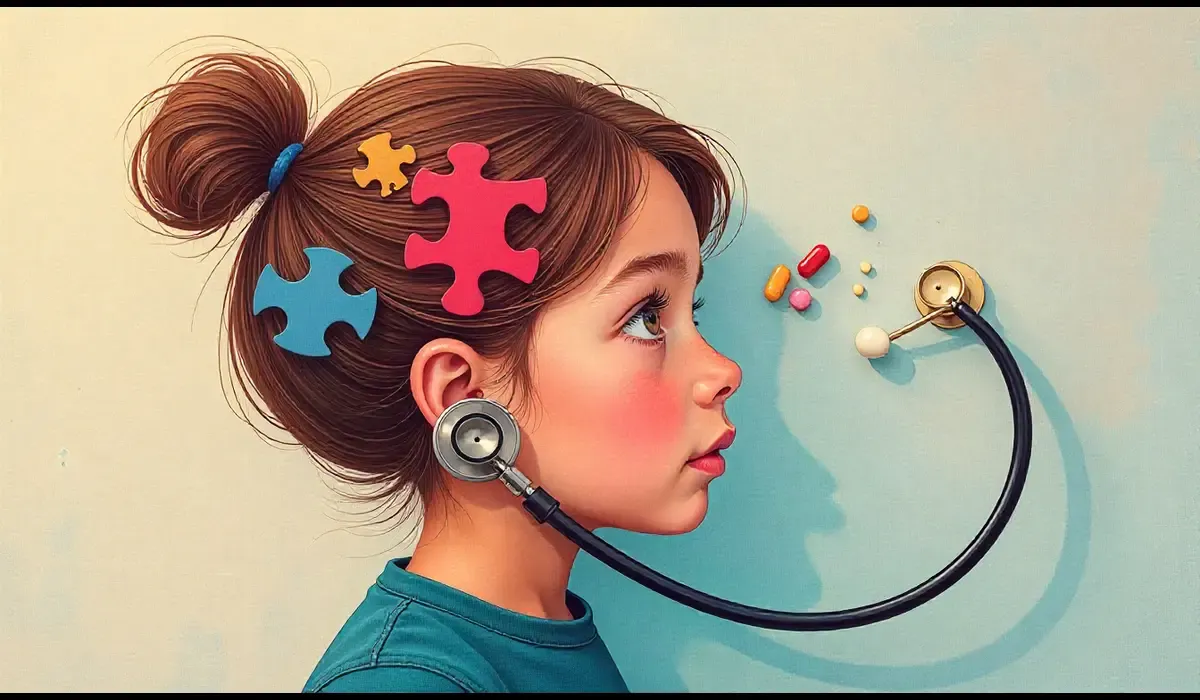
Autism medication can help manage challenging symptoms of autism spectrum disorder (ASD), but it is not a cure. Autism, or ASD, is a developmental condition that affects communication, behavior, and social interaction. For many families, medication becomes part of a larger treatment plan to improve quality of life.
Did you know the U.S. Food and Drug Administration (FDA) has approved only two specific medications for autism? These medicines target irritability, aggression, and mood issues, not autism itself. For other symptoms, doctors often use medications originally designed for ADHD, anxiety, depression, or epilepsy.
What Is Autism Medication?
Autism medication refers to prescription drugs used to control symptoms associated with ASD. These can include irritability, aggression, hyperactivity, repetitive behaviors, or anxiety.
Unlike antibiotics that treat infections or insulin for diabetes, no medication “treats” autism itself. Instead, the goal is to make daily life easier by reducing distressing or disruptive symptoms.
Most doctors recommend combining medication with behavioral therapies like Applied Behavior Analysis (ABA), speech therapy, and occupational therapy for best results.

$750 Cash App Gift Card$750 Cash App Gift Card
Some users qualify for a $750 Cash App gift card. You can check if you qualify.
Types of Autism Medication
Because autism varies widely, doctors tailor medication to each individual’s needs.
1. Antipsychotics (for irritability and aggression)
- Risperidone (FDA-approved for children with autism ages 5–16).
- Aripiprazole (FDA-approved for ages 6–17).
- Benefits: Reduce aggression, tantrums, self-injury.
- Risks: Weight gain, drowsiness, hormonal changes.
2. Stimulants (for hyperactivity and inattention)
- Commonly used when ADHD overlaps with autism.
- Methylphenidate (Ritalin, Concerta).
- Benefits: Improve focus, reduce impulsivity.
- Risks: Decreased appetite, insomnia, irritability.
3. SSRIs (for anxiety, depression, repetitive behaviors)
- Fluoxetine (Prozac), Sertraline (Zoloft), Escitalopram (Lexapro).
- Benefits: Lower anxiety, improve mood, reduce compulsions.
- Risks: Stomach upset, headaches, behavioral activation in kids.
4. Anti-Seizure Medications
- About 30% of autistic individuals also have epilepsy.
- Drugs like valproate, lamotrigine, or levetiracetam may be prescribed.
- Benefits: Control seizures, stabilize mood.
- Risks: Fatigue, dizziness, liver or kidney effects (require monitoring).
5. Sleep Aids
- Melatonin is often used for insomnia in autistic children.
- Benefits: Safe, effective, improves sleep routines.
- Risks: Mild — drowsiness, vivid dreams, occasional headaches.
Benefits of Autism Medication
When carefully prescribed, autism medication can significantly improve quality of life:
- Less irritability and aggression, making home and school environments calmer.
- Better focus and reduced hyperactivity, improving learning potential.
- Lower anxiety and depression, enhancing emotional stability.
- Improved sleep, benefiting both child and caregivers.
- Enhanced therapy outcomes, since children may respond better to ABA or speech therapy when calmer.
Risks and Side Effects
Like all drugs, autism medications carry risks. Some common side effects include:
- Antipsychotics: Weight gain, fatigue, hormonal changes.
- Stimulants: Loss of appetite, insomnia, mood swings.
- SSRIs: Nausea, agitation, headaches.
- Seizure meds: Drowsiness, balance problems.
- Melatonin: Mild dizziness or vivid dreams.
This is why doctors stress regular monitoring, including weight checks, blood tests, and progress reviews. Parents are encouraged to track changes in mood, sleep, or appetite.
Alternatives to Medication
Not all children or adults with autism need medication. Alternatives include:
- Applied Behavior Analysis (ABA): Widely used to reduce unwanted behaviors and build social skills.
- Speech therapy: Helps with language and communication.
- Occupational therapy: Improves daily living skills and sensory processing.
- Parent training: Teaches families techniques for managing behavior.
- Lifestyle supports: Structured routines, physical activity, and healthy diet.
For many, these interventions work as well or better than medication, especially for milder symptoms.

Expert Opinions
- Dr. Fred Volkmar, Yale Child Study Center: “Medication should never be the only treatment for autism. It can help manage irritability or attention problems, but therapy remains the cornerstone.”
- American Academy of Pediatrics (AAP): Recommends considering medication only when behavioral interventions alone are insufficient.
- Research studies: Consistently show that combining therapy + medication provides better outcomes than using medication alone.
Practical Takeaways
- Always consult a child psychiatrist, pediatrician, or neurologist before starting meds.
- Begin with the lowest effective dose and adjust slowly.
- Monitor progress and side effects closely.
- Reevaluate treatment every 3–6 months.
- Never stop or switch medications suddenly without medical advice.

$750 Amazon Gift Card
Some users qualify for a $1000 Walmart gift card. You can check if you qualify.
FAQs
Q1: What is the best autism medication?
A1: There is no single “best.” Risperidone and aripiprazole are FDA-approved for irritability, but choice depends on individual symptoms.
Q2: Can autism medication cure autism?
A2: No. Medications only manage specific symptoms, not autism itself
Q3: Is medication always necessary?
A3: Not always. Many individuals thrive with therapy alone. Medication is usually considered for severe symptoms.
Q4: Are natural supplements effective?
A4: Some parents use omega-3s or vitamins, but scientific evidence is limited. Always consult a doctor before trying them.
- Autism medication manages symptoms like aggression, anxiety, or sleep problems but does not cure autism.
- Options include antipsychotics, stimulants, SSRIs, seizure meds, and melatonin.
- Benefits can be life-changing, but risks and side effects require monitoring.
- Combining therapy with medication offers the best results.
Conclusion
Autism medication can be a valuable tool when symptoms interfere with daily life. From reducing irritability to improving sleep, these treatments help many children and adults live more comfortably. Still, medication is not a cure and should be part of a comprehensive treatment plan that includes therapy, education, and family support.