Ash Clan Lore Avatar Fire and Ash: Secrets Revealed
Discover how **Ash Clan Lore Avatar Fire and Ash** unveils hidden histories, power shifts, and untold rituals, offering readers a concise look at the clan’s origins and the forces shaping their fiery legacy.

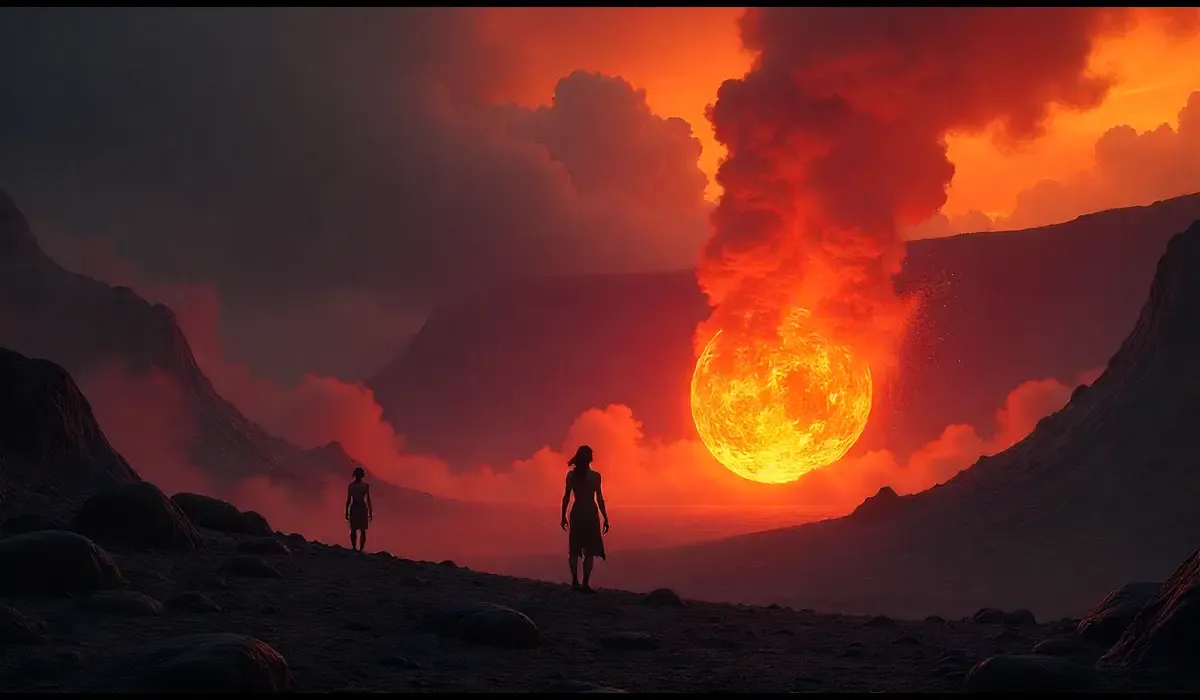
Ash clan lore Avatar Fire and Ash explanation reveals an ancient, volcanic-born Na’vi faction. Their heritage, beliefs, and conflict make them central to Pandora’s next war.
What Is the Ash Clan?
The Ash Clan (also called Mangkwan or Ash People) is a new Na’vi group introduced in Avatar: Fire and Ash.
New Lore & Origins
- The clan’s ancestral home was devastated by a volcanic eruption, turning their hometree to ash.
- Survivors grew bitter, believing their pleas to Eywa went unanswered.
- They rejected the Three Laws of Eywa and began using human weapons.
- Their leader Varang is hardened by loss; she leads with pragmatism, seeing power as necessary survival.
Key Beliefs, Symbols & Conflict
- Fire & Ash motif: Fire symbolizes anger & violence; ash denotes aftermath, grief, and cycles.
- Disconnected relationship with nature: Unlike other clans, they see nature as betrayed, not sacred.
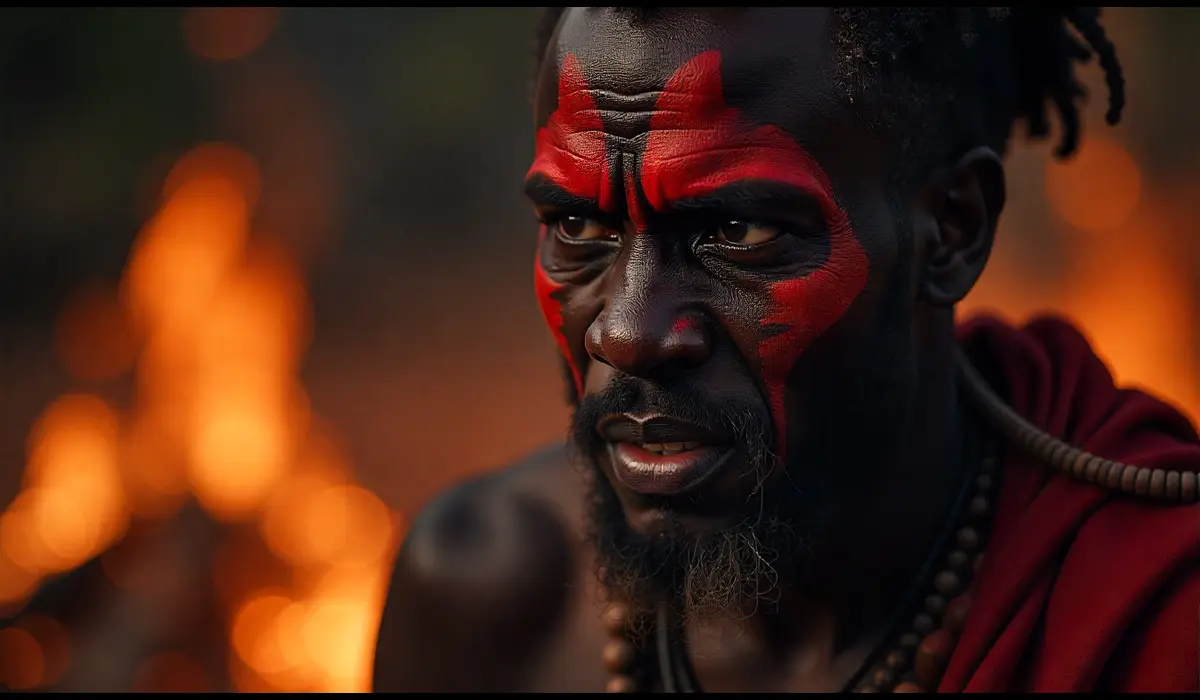
- Tribal appearance: Warpaint, shaved heads, body modifications, scant vegetation in territory.
- Weapons and tactics: They wield guns and exploit conflict rather than spiritual defense.
Why It Matters: Role in Avatar: Fire and Ash
The Ash clan lore Avatar Fire and Ash explanation Clan is pivotal because they present internal conflict among the Na’vi, not just human vs nature. Their resentment toward Eywa brings ideological clash.
Comparisons with Other Na’vi Clans
| Feature | Ash Clan | Other Clans (e.g. Omatikaya, Metkayina) |
|---|---|---|
| Relationship with Eywa | Skeptical / distant | Reverent, harmonious |
| Technology use | Adopts weapons | Generally rejects weaponry |
| Origin story | Ruined volcanic homeland | Flourishing, fertile lands |
| Conflict role | Internal antagonist | Defenders and balance seekers |
Evidence & Expert / Trailer Insights
- Trailer dialogue: “The fire came from the mountain, burnt our forest. My people cried for help, but Eywa did not come.”
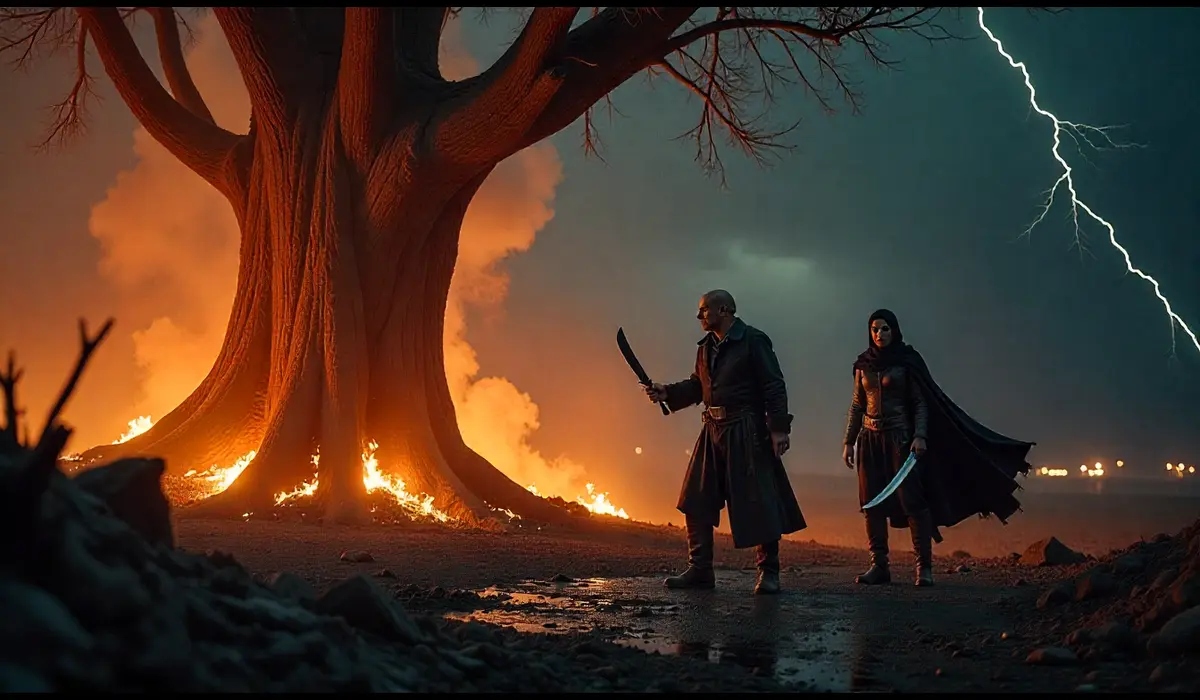
- Concept art released at D23 shows a world of ash, tent structures, stumps, and a harsh environment.
- James Cameron describes Fire and Ash as darker, exploring grief, anger, and not being black-and-white.
What Viewers Should Watch For
- Varang’s transformation: hero vs villain motivation.
- How other clans respond to Ash dissent.
- Fire and ash imagery as metaphor in scenes.
- Whether redemption or further destruction awaits.
FAQs about Ash clan lore Avatar Fire and Ash explanation
Q: What is “ash clan lore avatar fire and ash explanation”?
It refers to the origin, beliefs, symbols, and narrative role of the Ash Clan in Avatar: Fire and Ash.
Q: Are Ash People Na’vi or humans?
They are Na’vi—distinct from humans—though they adopt human weapons and reject traditional Na’vi spiritual reliance.
Q: Why did their hometree become ash?
A volcanic eruption destroyed their ancestral tree and territory, triggering their dire shift in worldview.
Q: Does the Ash Clan fight Jake & Neytiri?
Yes, they pose a faction in conflict, potentially aligning with Quaritch and threatening the Na’vi balance.
Key Takeaways
- The ash clan lore avatar fire and ash explanation shows a Na’vi clan born from loss and anger.
- Their rejection of Eywa’s comfort and adoption of war reflect deep trauma.
- Symbolism of fire and ash echoes cycles of grief and conflict on Pandora.
- Their ideology reshapes the Na’vi struggle—this clan is more than a villain.
Conclusion
Understanding ash clan lore avatar fire and ash explanation sets you up to grasp the deeper conflicts in the film. The Ash Clan brings complexity, pain, and ideological challenge to Pandora’s future. What’s your take? Share below.