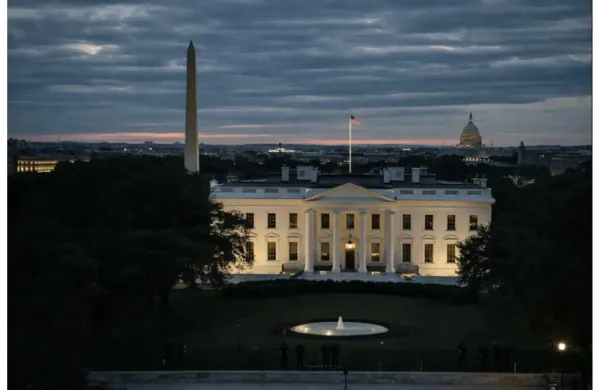
7 Alarming Facts About AQI in Delhi Today After Diwali Celebrations — From Festive Glow to Toxic Haze
Discover alarming facts about the AQI in Delhi today after Diwali celebrations—from festive glow to toxic haze. This concise, research-driven update highlights pollution levels, health dangers, and what residents must do to stay safe.

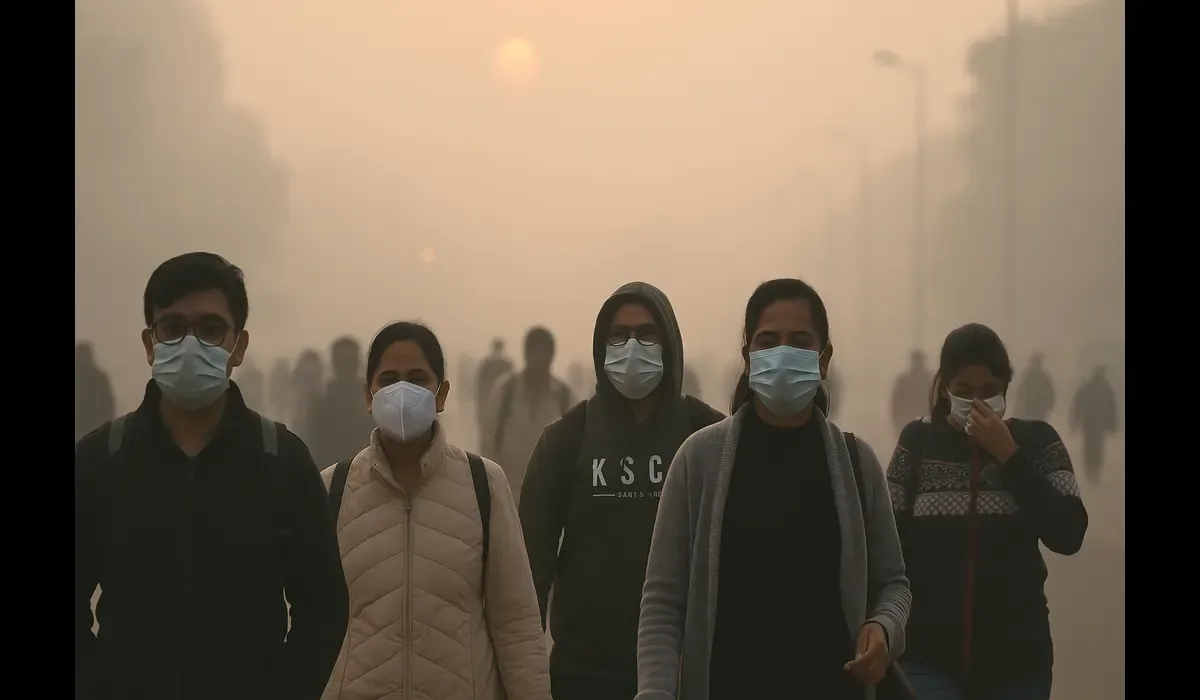
AQI in Delhi today after Diwali celebrations has plunged to “severe” levels, choking residents with toxic smog just hours after the city celebrated the festival of lights. Monitors across the capital recorded an average Air Quality Index above 400 — a level that poses serious health hazards to all age groups.
As fireworks lit up Delhi’s night sky, pollution levels shot up dramatically, blanketing the city under dense smog. Environmental agencies and doctors have already issued red alerts, warning residents to stay indoors and minimize outdoor exposure.
- Delhi’s AQI exceeds 400 — severe category.
- Fireworks + cold weather + stubble burning = toxic mix.
- Immediate health warnings issued for vulnerable groups.
Quick Context
The AQI in Delhi today after Diwali celebrations measures the city’s air pollution level following Diwali festivities. It represents the combined concentration of harmful pollutants like PM2.5, PM10, and nitrogen dioxide released by fireworks, vehicles, and regional crop burning.

$500 PayPal Gift Card$500 PayPal Gift Card
Some users qualify for a $500 PayPal gift card. You can check if you qualify.
Latest Post
Latest Update on AQI Levels
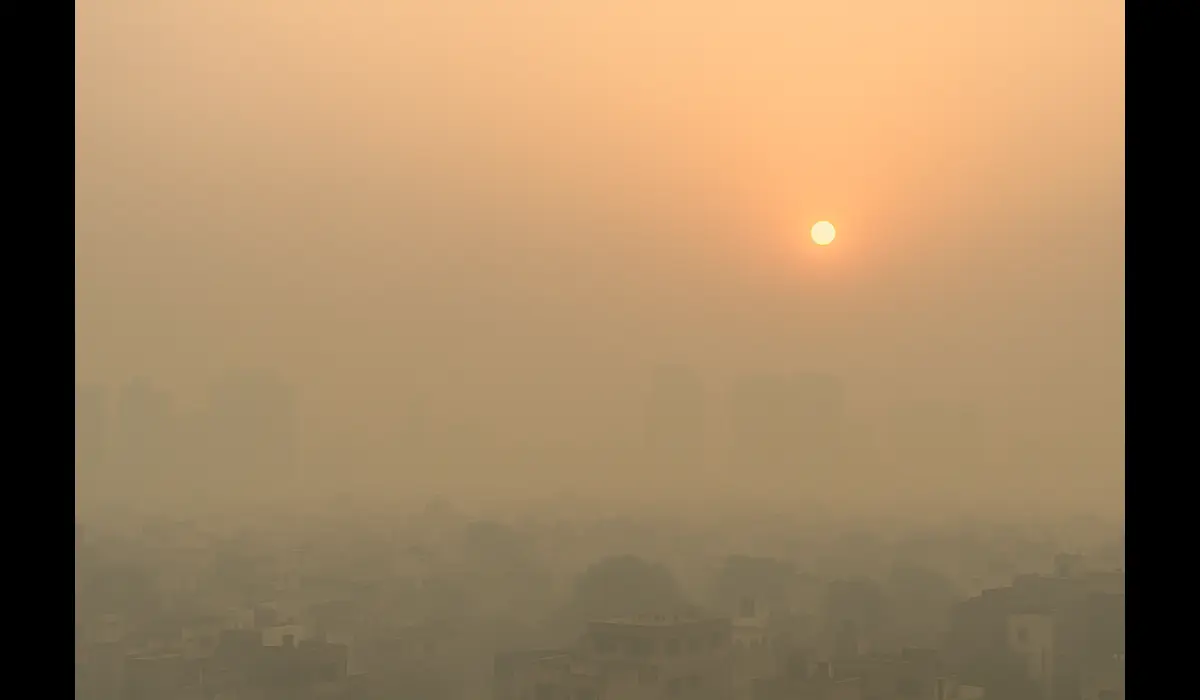
Delhi woke up to a thick layer of grey smog today. The average AQI in the capital stood around 440, placing the air in the “severe” category. Some areas such as Anand Vihar, Jahangirpuri, and Wazirpur reported AQI readings above 480, almost ten times higher than safe standards.
The sharp rise occurred between 8 p.m. and 3 a.m., when large-scale bursting of crackers took place across the city. Calm winds, dropping temperatures, and stagnant air prevented pollutants from dispersing — turning Delhi into a gas chamber overnight.
By morning, visibility had reduced drastically, causing traffic delays and triggering emergency health advisories from hospitals.
Key Facts and Details
1. What the AQI Numbers Show
The Air Quality Index (AQI) categorizes air into six levels:
| Category | AQI Range | Health Impact |
|---|---|---|
| Good | 0–50 | Minimal impact |
| Satisfactory | 51–100 | Minor discomfort |
| Moderate | 101–200 | Sensitive groups affected |
| Poor | 201–300 | Respiratory irritation possible |
| Very Poor | 301–400 | Prolonged exposure unsafe |
| Severe | 401+ | Dangerous for all groups |
Today’s readings across Delhi fall in the “severe” range, making it unsafe even for short outdoor exposure.
2. Why Pollution Spiked Overnight
The AQI in Delhi today after Diwali celebrations worsened due to multiple overlapping factors:
- Fireworks: Firecrackers emit particulate matter, sulfur dioxide, and heavy metals that remain suspended in the air for hours.
- Weather: Cold and calm conditions trapped pollutants close to the surface.
- Stubble Burning: Smoke from agricultural fires in Punjab and Haryana drifted into Delhi, adding to the pollution load.
- Urban Emissions: Continuous traffic and industrial activity further worsened air quality.
3. Impact on Health
Doctors report a sudden increase in cases of eye irritation, breathing problems, coughing, and chest congestion. The pollutants penetrate deep into the lungs and bloodstream, affecting even healthy adults.
Vulnerable groups — including children, the elderly, and pregnant women — face higher risks of asthma attacks, heart strain, and reduced oxygen levels.
Why AQI in Delhi today after Diwali celebrations Matters
1. Health Emergency in Delhi
The spike in AQI in Delhi today after Diwali celebrations is more than a seasonal phenomenon — it’s a public health crisis.
Residents breathing this air are exposed to toxic particles that can cause long-term respiratory illness, premature aging of the lungs, and cardiovascular disease.
2. Environmental Wake-Up Call
Despite recurring bans on firecrackers, Delhi’s post-Diwali air continues to deteriorate. This raises questions about enforcement, public awareness, and accountability. Authorities must prioritize sustainable solutions instead of one-day crackdowns.
3. Societal and Cultural Reflection
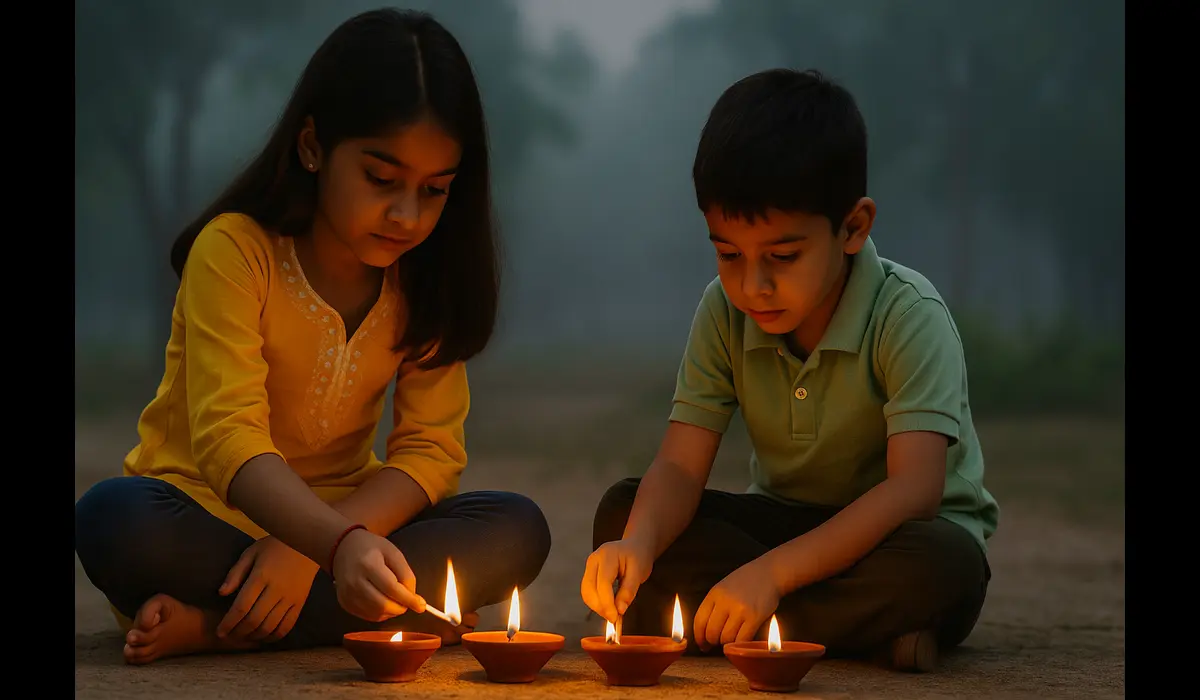
Diwali’s essence lies in light and joy, not pollution. Transitioning toward eco-friendly celebrations — using diyas, lights, and community events — can protect cultural spirit while safeguarding health.
Comparisons: Delhi vs. Other Cities (Post-Diwali AQI)
| City | AQI Level (Today) | Category |
|---|---|---|
| Delhi | 440 | Severe |
| Gurugram | 390 | Very Poor |
| Noida | 410 | Severe |
| Ghaziabad | 425 | Severe |
| Faridabad | 385 | Very Poor |
The data shows that pollution isn’t limited to Delhi alone — it’s a regional crisis affecting the entire NCR belt.
Expert Opinions
Environmental experts explain that fireworks contribute to an immediate, short-term spike, but poor baseline air quality throughout the year worsens the effect. Without tackling traffic emissions, industrial discharges, and crop residue burning, Diwali restrictions alone cannot fix Delhi’s air.
Medical specialists emphasize that PM2.5 — fine particulate matter smaller than 2.5 microns — poses the gravest threat. It enters the bloodstream, increases inflammation, and heightens the risk of respiratory infections and heart attacks.
Practical Takeaways
- Monitor the AQI: Check government dashboards or trusted AQI apps daily to plan activities safely.
- Limit Outdoor Exposure: Avoid outdoor exercise and keep children indoors on high-AQI days.
- Use Protective Gear: N95 masks provide substantial protection against particulate matter.
- Improve Indoor Air: Use air purifiers, seal windows, and place air-cleaning plants indoors.
- Support Green Celebrations: Encourage your community to choose non-polluting alternatives like laser shows, electric diyas, and community fireworks zones.

$750 Cash App Gift Card $750 Cash App Gift Card
Not everyone qualifies for this $750 Cash App gift card. Checking only takes a moment. You can check if you’re eligible.
FAQs
Q1: What is the AQI in Delhi today after Diwali celebrations?
The AQI stands above 440, falling under the “severe” category, meaning the air is hazardous for everyone.
Q2: How long will the air quality remain poor?
The smog may persist for 3–5 days, depending on wind speed, temperature, and rainfall.
Q3: Can wearing a mask protect me from polluted air?
Yes. N95 or equivalent masks can filter out harmful fine particles, especially PM2.5.
Q4: What’s the government doing to control this issue?
Measures like firecracker bans, vehicle restrictions, and anti-smog guns are in place, but enforcement and public cooperation remain weak.
Key Takeaways about AQI in Delhi today after Diwali celebrations
- The AQI in Delhi today after Diwali celebrations crossed 400, putting millions at risk.
- Fireworks, calm weather, and stubble burning formed a toxic combination.
- The crisis underlines weak enforcement and lack of awareness.
- Sustainable celebration practices and stricter emission control are essential for long-term change.
Conclusion : AQI in Delhi today after Diwali celebrations
The AQI in Delhi today after Diwali celebrations stands as a warning — not just about air pollution but about choices and accountability. Until citizens, policymakers, and industries act collectively, every festival will end in smog instead of sparkle.