The Role of Antioxidants in Preventing Disease
Discover how antioxidants help prevent chronic diseases like heart disease and cancer. Learn how to incorporate antioxidant-rich foods into your diet.

Introduction
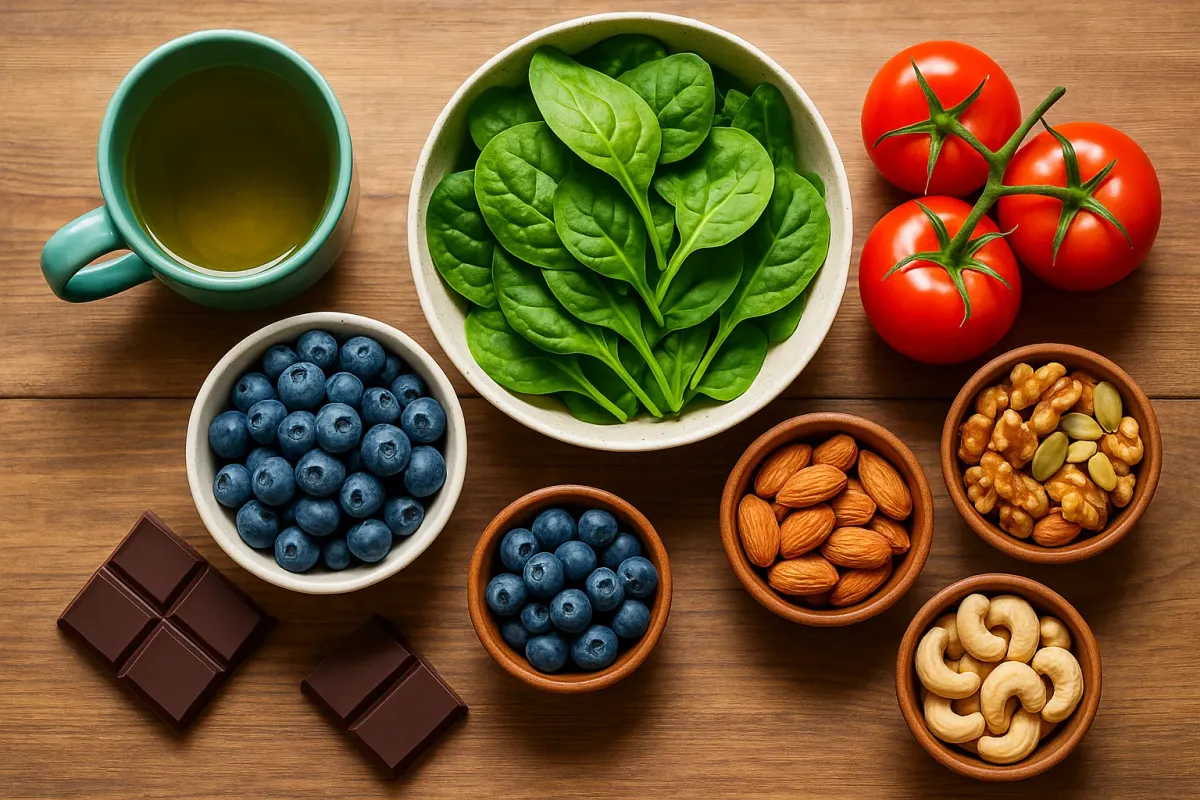
The role of antioxidants in preventing disease and aging is one of the most researched topics in modern nutrition. Imagine sitting in your favorite coffee shop, sipping on green tea, and reading about how antioxidants protect your body. These tiny molecules may seem small, but they play a powerful role in fighting free radicals, preventing chronic diseases, and slowing down the aging process.
What Are Antioxidants?
Antioxidants are natural substances that defend your body’s cells from free radical damage. Free radicals are unstable molecules that arise from metabolism, pollution, smoking, and stress. If uncontrolled, they cause oxidative stress, leading to heart disease, diabetes, cancer, and premature aging. Following these diet tips ensures you fully benefit from the role of antioxidants in preventing disease and aging, while supporting overall vitality.
Antioxidants neutralize these free radicals, restoring balance and protecting your cells. This is why the role of antioxidants in preventing disease and aging is vital for long-term health.
The Role of Antioxidants in Preventing Disease
1. Heart Disease Protection
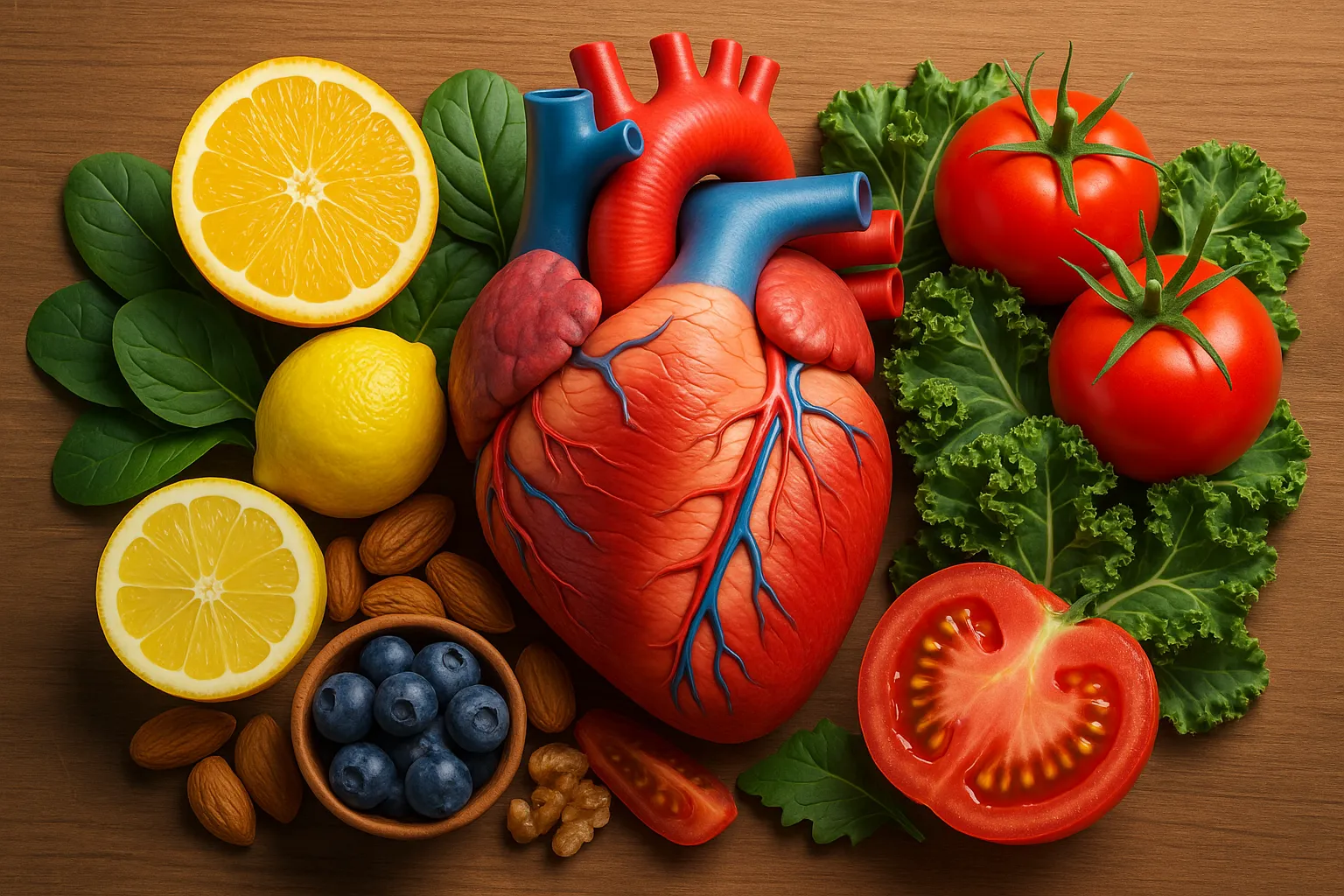
Vitamins C, E, and beta-carotene reduce LDL cholesterol oxidation, lowering the risk of artery plaque, heart attacks, and strokes.
2. Cancer Prevention
antioxidants in preventing disease shield your DNA from free radical damage. Lycopene (in tomatoes) and resveratrol (in grapes) are linked with reduced risks of prostate and breast cancer.
3. Diabetes Management
Alpha-lipoic acid (found in spinach and broccoli) improves insulin sensitivity, lowers blood sugar, and reduces oxidative stress—a key factor in diabetes.
4. Anti-Inflammatory Benefits
Chronic inflammation triggers diseases like arthritis and Alzheimer’s. Flavonoids (in berries) and omega-3 fatty acids (in fish) act as strong anti-inflammatory agents.
5. Eye Health & Aging
Lutein and zeaxanthin (in leafy greens) protect your eyes from free radical damage, reducing risks of cataracts and age-related macular degeneration.
Practical Tips for Incorporating Antioxidants into Your Diet
Eat a Rainbow:
Include a variety of colorful fruits and vegetables in your diet. Each color represents different types of antioxidants. For example, red tomatoes contain lycopene, while orange carrots are rich in beta-carotene.
Choose Whole Grains:
Whole grains like oats, brown rice, and quinoa are rich in antioxidants such as vitamin E and selenium. Replace refined grains with whole grains to increase your antioxidant intake.
Sip on Green Tea:
Green tea is a powerful source of antioxidants called catechins. Make it a habit to enjoy a cup of green tea daily to boost your antioxidant levels.
Snack on Nuts and Seeds:
Nuts and seeds are packed with antioxidants like vitamin E and selenium. Almonds, walnuts, and sunflower seeds make excellent snacks that provide a healthy dose of antioxidants.
Use Herbs and Spices:
Herbs and spices like turmeric, ginger, and garlic are rich in antioxidants and can be easily incorporated into your meals. Add them to soups, stews, and stir-fries for a flavorful and health-boosting kick.
Exploring Different Perspectives on Antioxidants
While antioxidants are essential for health, it’s important to remember that more isn’t always better. Some studies suggest that high doses of antioxidant supplements may have adverse effects. For example, excessive vitamin E supplementation has been linked to an increased risk of prostate cancer in some men. Following these diet tips ensures you fully benefit from the role of antioxidants in preventing disease and aging, while supporting overall vitality.
It’s best to obtain antioxidants from a balanced diet rich in fruits, vegetables, whole grains, nuts, and seeds. Whole foods provide a complex mixture of antioxidants that work together to promote health, which is something supplements may not replicate.
FAQs
1. What is the role of antioxidants in the prevention of disease?
Antioxidants protect your cells from damage caused by free radicals, reducing the risk of chronic diseases like heart disease, cancer, and diabetes.
2. What is the role of antioxidants in the immune system?
Antioxidants support the immune system by protecting immune cells from oxidative damage, enhancing the body’s ability to fight infections.
3. How do antioxidants help reduce inflammation?
Antioxidants like flavonoids and omega-3 fatty acids have anti-inflammatory properties that reduce chronic inflammation, lowering the risk of diseases like arthritis and Alzheimer’s.
4. What foods are high in antioxidants?
Foods rich in antioxidants include berries, dark chocolate, nuts, seeds, leafy greens, and colorful fruits and vegetables.
5. Can you take too many antioxidants?
Yes, excessive intake of antioxidant supplements, particularly in high doses, may have adverse effects. It’s best to get antioxidants from a balanced diet.
6. How do antioxidants protect the body’s cells?
Antioxidants neutralize free radicals by donating an electron, antioxidants in preventing disease the chain reaction that can lead to cell damage.
7. What is the role of antioxidants in the prevention of metabolic diseases?
Antioxidants help reduce oxidative stress, which is linked to metabolic diseases like diabetes and obesity, by improving insulin sensitivity and reducing inflammation.
Conclusion
In summary, the role of antioxidants in preventing disease and aging is crucial for maintaining long-term health, reducing chronic illness risks, and promoting graceful aging. Antioxidants play a crucial role in protecting your health by neutralizing free radicals and reducing oxidative stress. By incorporating a variety of antioxidant-rich foods into your diet, you can lower your risk of chronic diseases and promote overall well-being. Remember, the key is balance—focus on a diverse diet rich in whole foods rather than relying on supplements. Your body will thank you for it!This is why many health experts emphasize the importance of understanding the role of antioxidants in preventing disease and aging.
You May Also Like
- Omega-3 Fatty Acids
- Keto Diet
- Antioxidants in Preventing Disease
- Benefits of Eating Seasonal Foods
- Portion Control
- 25 Superfoods You Should Include in Your Diet
- Impact of Sugar on Your Health
- Understanding Macronutrients
- Plant-Based Diets
- Regular Physical Activity
- Natural Remedies for Common Ailments
- Healthy Work-Life Balance