Americans Protesting Trump Under ‘No Kings’ Movement
Explore how the Americans Protesting Trump movement is gaining momentum under the “No Kings” banner, challenging political power and public accountability. This analysis breaks down why the protests matter and what they signal for U.S. democracy.

Introduction
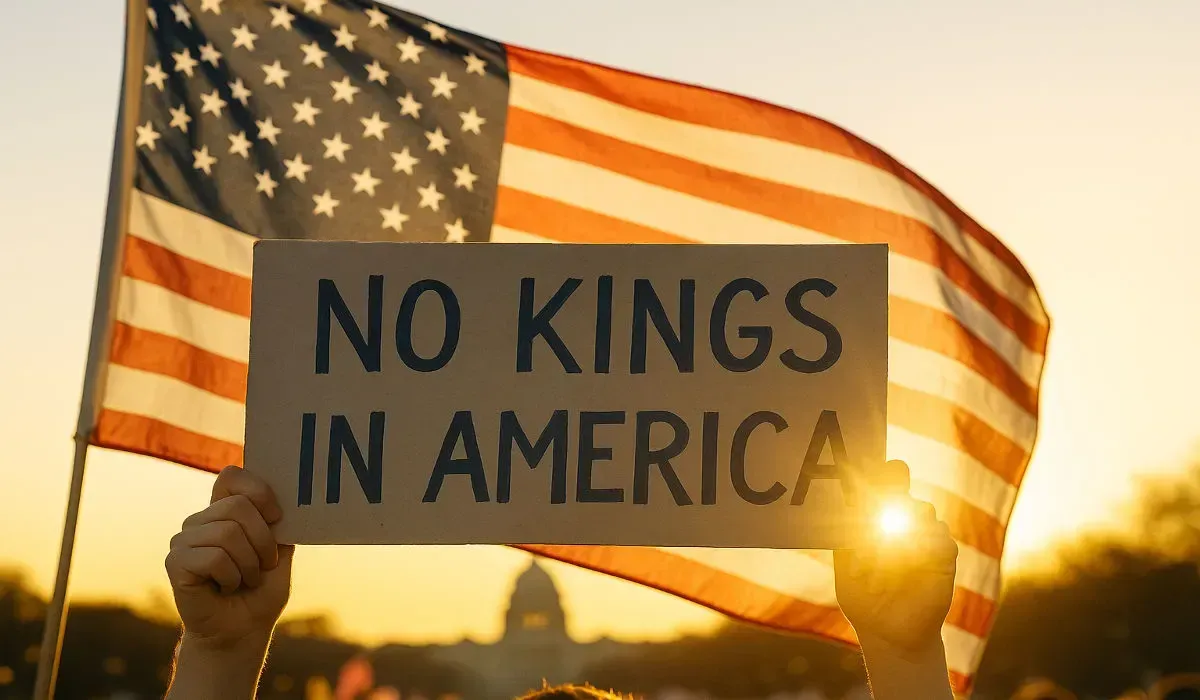
The ‘No Kings’ movement has surged in 2025 as Americans mobilize in cities and towns across the United States to demand accountability and challenge what they view as authoritarian drift under Donald Trump. What started as a grassroots protest wave in June has now matured into millions-strong demonstrations, raising key questions about power, policy and the future of U.S. democracy.
- The movement drew an estimtated 5–7 million participants across more than 2,600 locations on October 18.
- Organizers frame it as a defence of democratic norms and a rebuttal to perceived executive excess.
- Republican critics say the demonstrations are un-American; demonstrators say they’re patriotic.

$500 PayPal Gift Card
A $500 PayPal gift card may be available to select users. Checking eligibility is quick. You can check if you’re one of them.
Definition / Quick Context
What is the ‘No Kings’ movement?
The “‘No Kings’ movement” refers to coordinated, large-scale protests by Americans opposing what they see as the over-concentration of power and diminishing democratic safeguards under President Trump.
Details / Key Facts & Timeline
The movement traces back to early 2025, but two major protest dates stand out: June 14 and October 18.
June 14, 2025: More than 2,100 locations nationwide hosted protests, in what organisers call the first “No Kings Day.” Estimated turnout: 4–6 million.
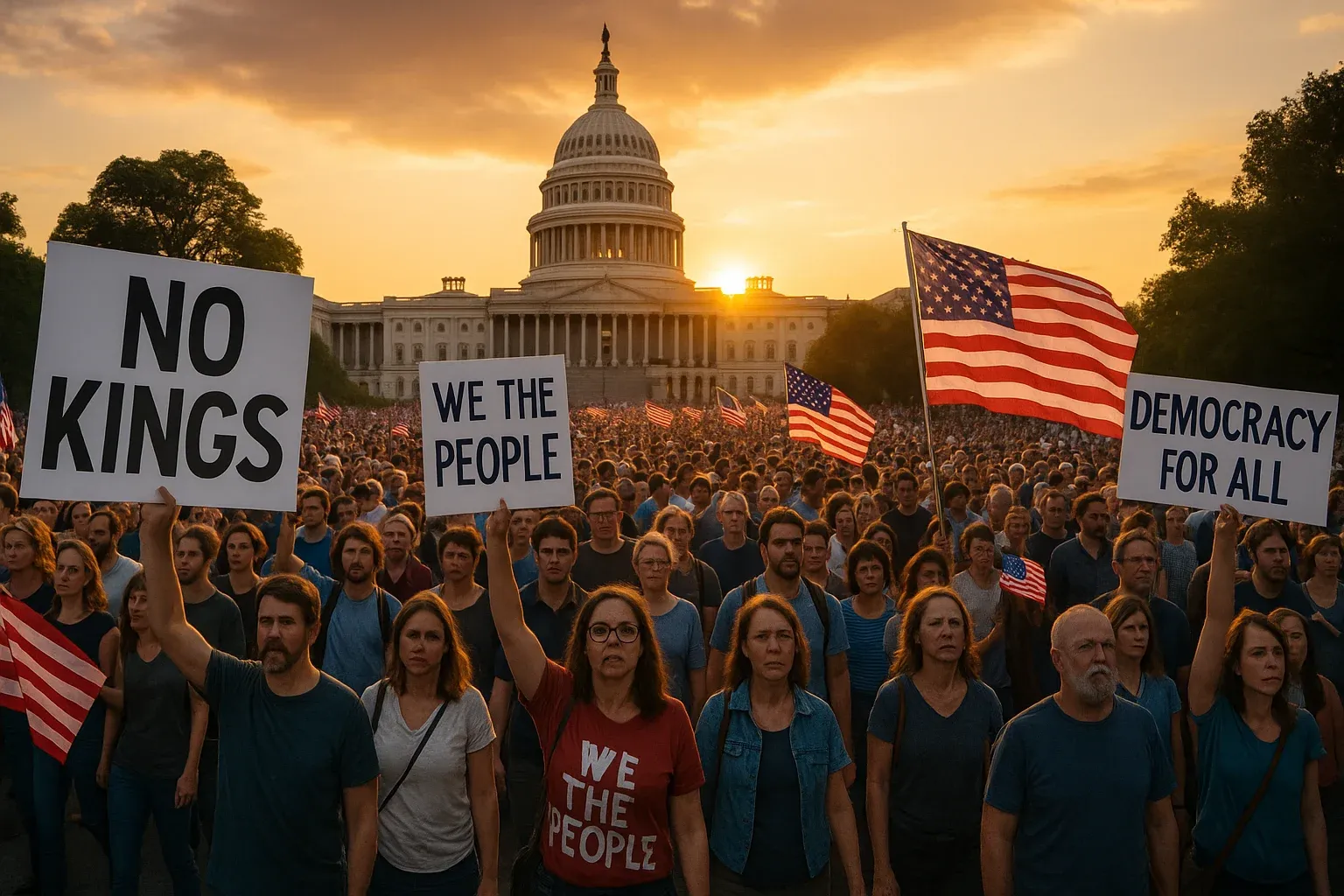
October 18, 2025: The latest wave included over 2,600 events across all 50 states, with turnout estimates reaching 7 million.
Organisers and Backers:
- Groups: Indivisible, American Civil Liberties Union (ACLU), MoveOn, American Federation of Teachers.
- Slogan/Branding: “No Kings” — a clear reference to rejecting monarchical or autocratic power.
Motivations cited by protesters:
- Alleged executive overreach by Trump, including use of National Guard in cities.
- Concerns about free-speech constraints, immigration enforcement actions, and militarised displays.
- A broader appeal: “We have no kings in America,” emphasising democratic citizenship over authority.
Key Locations & Styles:
- Major hubs: Washington D.C., Chicago, New York City, Atlanta.
- Smaller towns: e.g., Manistee County, Michigan hosted ~925 people in one local ‘No Kings’ event.
- Non-violent, festive atmosphere emphasised by organisers.
Government / Opposition Response:
- Republican figures labelled the protests “hate America” and linked them to extremist causes.
- Some states pre-emptively activated the National Guard ahead of protest days.
- Trump himself denied being a “king” while critics pointed to his rhetoric and actions.
Why It Matters / Reader Impact
The ‘No Kings’ movement matters because:
1. It signals a shift in public sentiment. Millions of Americans turned out not merely to protest policy but to challenge the nature of executive power and accountability. That reflects deeper anxieties around democracy in the U.S.
2. It raises questions about institutional trust. Large-scale protests like these point to waning trust in governing structures, and increasing civic engagement outside the ballot box.
3. It could shape the political agenda. With high turnout and visibility, the movement is likely to influence legislative priorities, media framing and even electoral strategy ahead of the next cycle.
4. It emphasises citizen agency. For everyday Americans feeling sidelined, the slogan “No Kings” underscores the idea that power lies with the people, not with singular individuals or offices.
For readers, the impact is two-fold: it invites reflection on democratic health, and offers an opportunity to engage—locally or nationally—in civic conversation.
Evidence / Expert Insight
According to crowd-estimates reported by major outlets, participation in the October demonstrations surpassed 7 million across the country. Political analysts observe that when sustained protest involvement crosses ~3.5 % of the population it can trigger broader policy and social shifts.
In statements before rallies, organiser groups emphasised non-violence, training marshals and seeking peaceful coordination. Observers note that the movement’s framing (rejecting kings) draws on both historical American anti-monarchical language and contemporary concern over presidential overreach.
Trending
Practical Takeaways / What Readers Should Do
If you’re paying attention to the ‘No Kings’ movement, here are some actions to consider:
- Stay informed locally. Check if nearby protests or forums are scheduled and what messages they carry.
- Evaluate your views on power. Reflect on whether you believe current structures align with democratic values, and what changes you’d support.
- Engage constructively. Whether you join a rally, participate in a town hall, or talk with neighbours, civic action can extend beyond protest.
- Monitor media critically. Since both sides use strong framing, seek balanced sources to understand motives and facts.

$500 Walmart Gift Card
A $500 Walmart gift card may be available to select users. Checking eligibility is quick. You can check if you’re one of them.
FAQs
Q: What is the ‘No Kings’ movement about?
The ‘No Kings’ movement is a nationwide series of protests by Americans against what they view as authoritarian leadership and concentration of power, especially under President Donald Trump
Q: When and where did the ‘No Kings’ protests occur?
Major waves occurred on June 14 2025 and October 18 2025 in thousands of cities across the U.S., with turnout in the millions
Q: Are the protests violent?
Organisers emphasise peaceful intent and training for de-escalation. Some states deployed guards out of precaution, but widespread violence was not reported in major venues.
Q: What does ‘No Kings’ refer to exactly?
It’s a slogan rejecting the idea of unchecked executive power — the movement claims that in America we should have no kings, meaning no one person dominates democracy or institutions.
Conclusion
The Americans protesting Trump under ‘No Kings’ movement reflect more than opposition to a single leader: they reflect a larger debate about power, democracy and civic agency in modern America. As the movement unfolds, its influence on policy, public discourse, and citizen engagement may prove significant.
Americans Protesting Trump Under ‘No Kings’ Movement