10 Powerful Ways American Food Habits Are Positively Transforming Indian Dining Culture Forever
Discover how American food habits are reshaping Indian dining culture with smarter service, efficient workflows, and evolving taste preferences. This expert-driven guide highlights ten powerful shifts transforming how India eats today.

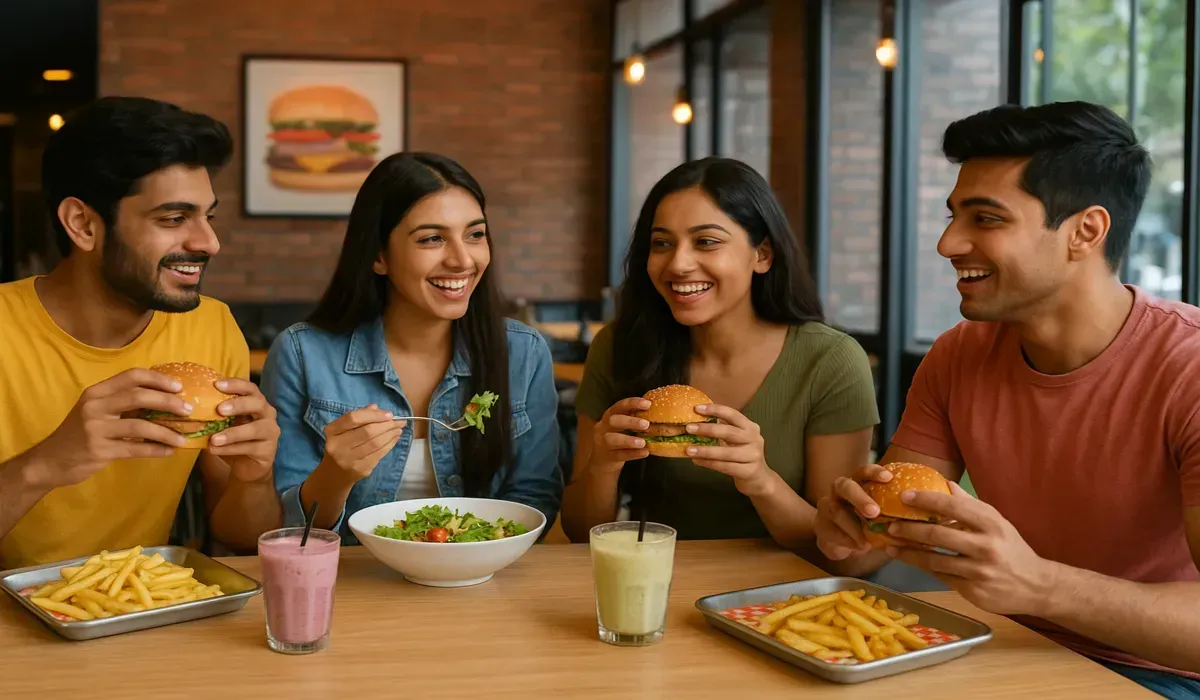
American food habits are reshaping the way Indians dine—at home, in restaurants, and even in daily routines. From quick-service chains to home-cooked fusion meals, the influence of the U.S. dining culture is undeniable across Indian cities and beyond.
A decade ago, American food was seen as fast and foreign. Today, it’s familiar, aspirational, and deeply embedded in India’s evolving culinary identity.
- American dining culture has inspired both eating-out and cooking-at-home trends in India.
- Fast-casual dining, portion control, and health-focused menus mirror U.S. patterns.
- Millennials and Gen Z lead this change through social media and lifestyle choices.
What Are American Food Habits?
At its core, American food habits refer to lifestyle-driven dining choices—quick service, convenience-based meals, portion-conscious menus, and diverse cuisines adapted to local tastes. They’re not just about burgers and fries; they include trends like brunch culture, meal prepping, vegan diets, and grab-and-go snacking.
These habits prioritize efficiency, customization, and balance—values increasingly shared by India’s urban consumers.
Why American Food Habits Matter in India
The relevance of American food habits lies in their cultural adaptability. India’s food landscape has always absorbed foreign influences—from Mughal to British. The American wave, however, brings lifestyle alignment rather than mere cuisine importation.
It reflects:
- Urban time constraints demanding quick yet nutritious meals.
- Health awareness emphasizing salads, smoothies, and low-carb choices.
- Global exposure through media, travel, and multinational chains.
For marketers and restaurateurs, this evolution opens opportunities to serve modern palates without losing Indian essence.
How Are American Food Habits Changing Indian Dining?
1. The Rise of Fast-Casual Dining
Chains like McDonald’s, Subway, and Taco Bell popularized the “quick yet quality” model. Indian brands now emulate it—Café Coffee Day, FreshMenu, and Biryani Blues blend local ingredients with Western-style service speed.
2. Brunch and Café Culture
American weekend brunches—once rare—are now mainstream in Indian metros. Pancakes, waffles, and eggs Benedict coexist with masala chai and idli platters, redefining social dining.
3. Customization and Personalization
American dining thrives on “make-your-own” models—salads, sandwiches, or pizzas tailored to individual preference. Indians have embraced this control, prompting restaurants to offer ingredient-based menus and calorie transparency.
4. The Health and Fitness Connection
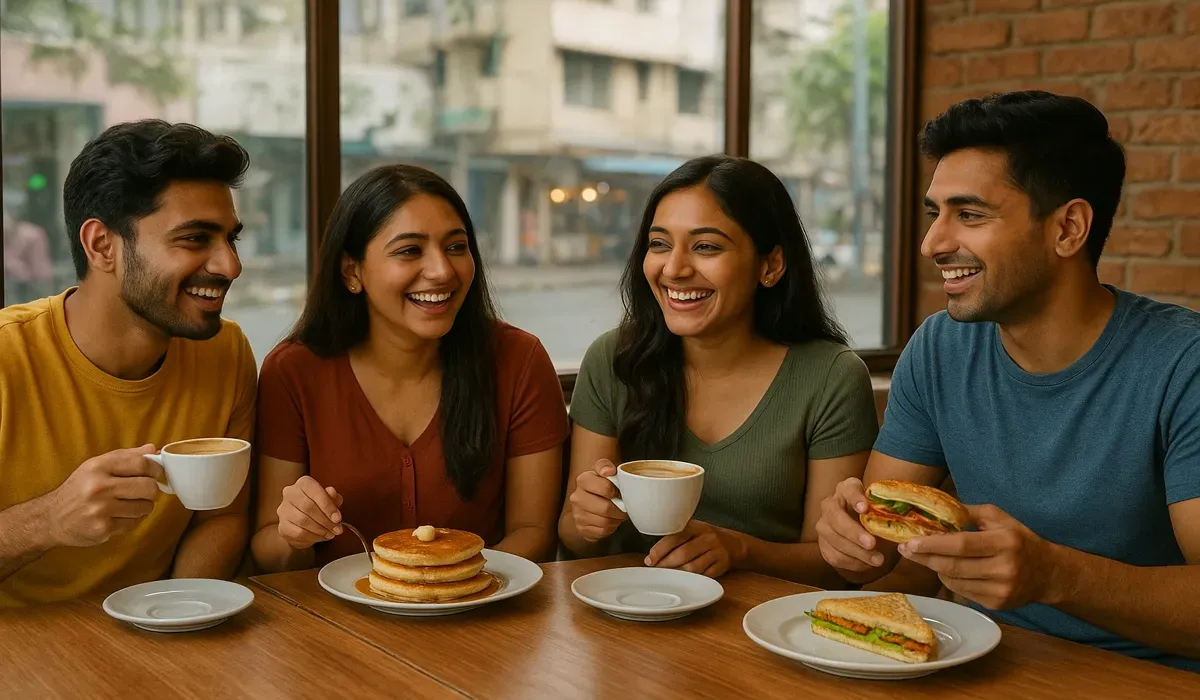
Smoothies, cold-pressed juices, protein bowls, and keto options are now staples in Indian cafés. Influenced by American wellness culture, consumers track macros, reduce sugar, and replace fried snacks with baked or air-fried alternatives.
5. Home Kitchens Go Western
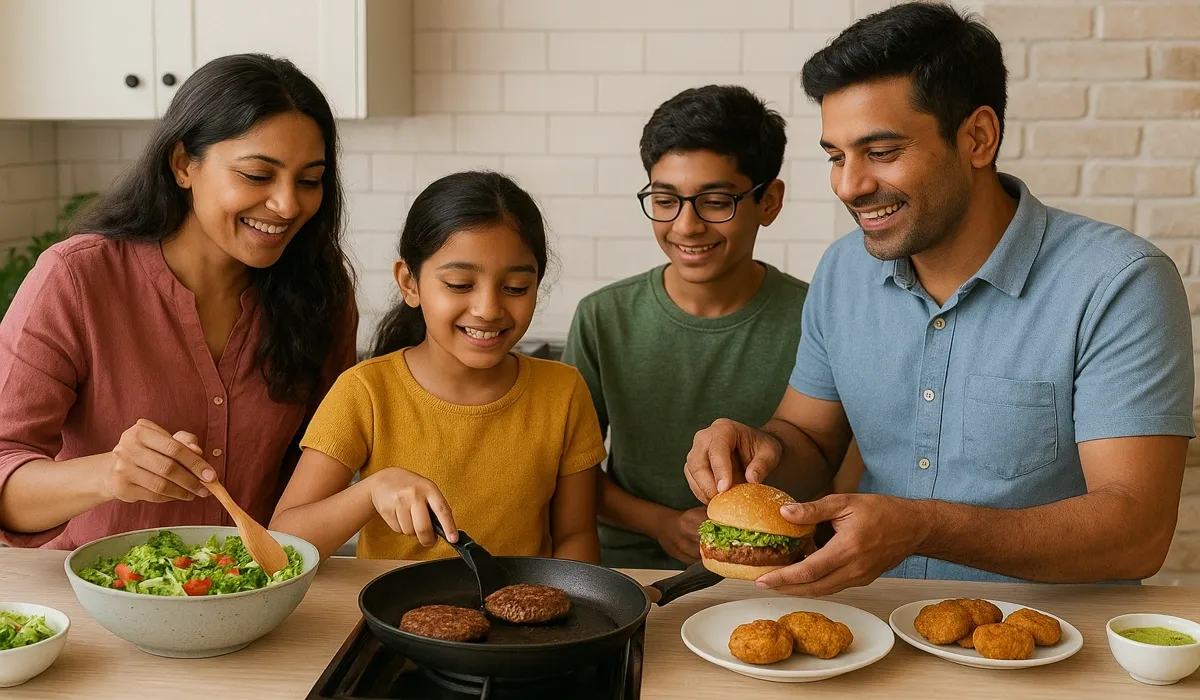
Millennials experiment with American recipes using Indian substitutes—grilled chicken with curd marinades, oat pancakes with jaggery syrup. Cookware and meal-planning apps now bridge American techniques and Indian flavors.
What Role Do Indian Millennials Play in This Shift?
Millennials drive experimentation. They travel, follow food influencers, and prioritize experience over tradition. For them, dining isn’t just about eating—it’s about identity and social expression.
According to research by the National Restaurant Association of India (2024), over 68% of urban youth prefer global cuisines weekly, marking a shift from purely local consumption to globalized dining aspirations.
Best Practices: How Restaurants Can Adapt
- Blend authenticity with local flavor: Serve American classics using regional ingredients (e.g., paneer burgers, masala BBQ).
- Promote health-focused options: Calorie-count menus, whole-grain alternatives, and air-fried sides.
- Leverage digital menus: Enable online customization and nutrition tracking.
- Create experience-driven spaces: Encourage “Instagrammable” moments through ambiance.
- Educate customers: Highlight provenance and preparation transparency.
Common Misconceptions About American Food in India
- “It’s all junk food.”
False. American dining now prioritizes wellness and diversity, from plant-based meals to farm-to-table sourcing. - “It’s killing traditional Indian cuisine.”
Not true. Indian dining evolves; American influence coexists, not competes. Fusion recipes often strengthen local identity. - “Only the rich eat American food.”
Incorrect. Street stalls and cloud kitchens offer affordable versions of wraps, burgers, and shakes across income levels.
Expert Views and Case Studies
- Chef Sanjeev Kapoor emphasizes, “The American dining model taught Indian restaurants the value of consistency and customer-centric service.”
- FICCI Food Service Report 2025 notes that India’s quick-service restaurant market grew 23% YoY, driven by American-style offerings.
- Zomato 2025 Insights reveal that burgers and sandwiches rank among the top 3 ordered items in Indian metros, showcasing changing palates.
FAQs
Q1. How are American food habits influencing Indian dining styles?
American food habits emphasize convenience, health, and personalization—values increasingly mirrored in Indian dining through fast-casual models and fusion menus.
Q2. Are Indian restaurants fully adopting Western food models?
Not entirely. They adapt selectively—retaining Indian spices, portion sizes, and local affordability.
Q3. Which American dining trends are most visible in India?
Brunch culture, meal customization, café dining, and healthy grab-and-go snacks.
Q4. Are American food habits replacing traditional Indian meals?
No. They complement traditional diets, creating hybrid meals that appeal to modern lifestyles.
Q5. What are examples of fusion success?
Dishes like tandoori tacos, masala-loaded fries, and paneer quesadillas are top examples of Indian-American culinary innovation.
Key Takeaways
- American food habits are reshaping India’s urban dining culture.
- Fast-casual formats, brunches, and health-driven menus lead the trend.
- Indian youth drive this shift through exposure and social influence.
- Fusion cuisine strengthens—not replaces—traditional Indian dining.
- Restaurants that blend authenticity with innovation thrive.
Conclusion
American food habits continue to redefine Indian dining through innovation, balance, and global influence. As boundaries blur, India’s culinary landscape stands at the crossroads of tradition and modernity.
From café culture to home kitchens, this cross-cultural exchange proves that India isn’t just consuming Western food—it’s reinventing it. The impact of American food habits will keep shaping how India eats, experiments, and enjoys food in the years ahead.