9 Shocking Reasons Why American Comfort Food Isn’t Just Fast Food for Indian Millennials
Discover why American comfort food resonates so deeply with Indian millennials—and why it’s far more than just fast food. This expert-driven guide uncovers nine surprising cultural, emotional, and flavor-based reasons behind the growing connection.

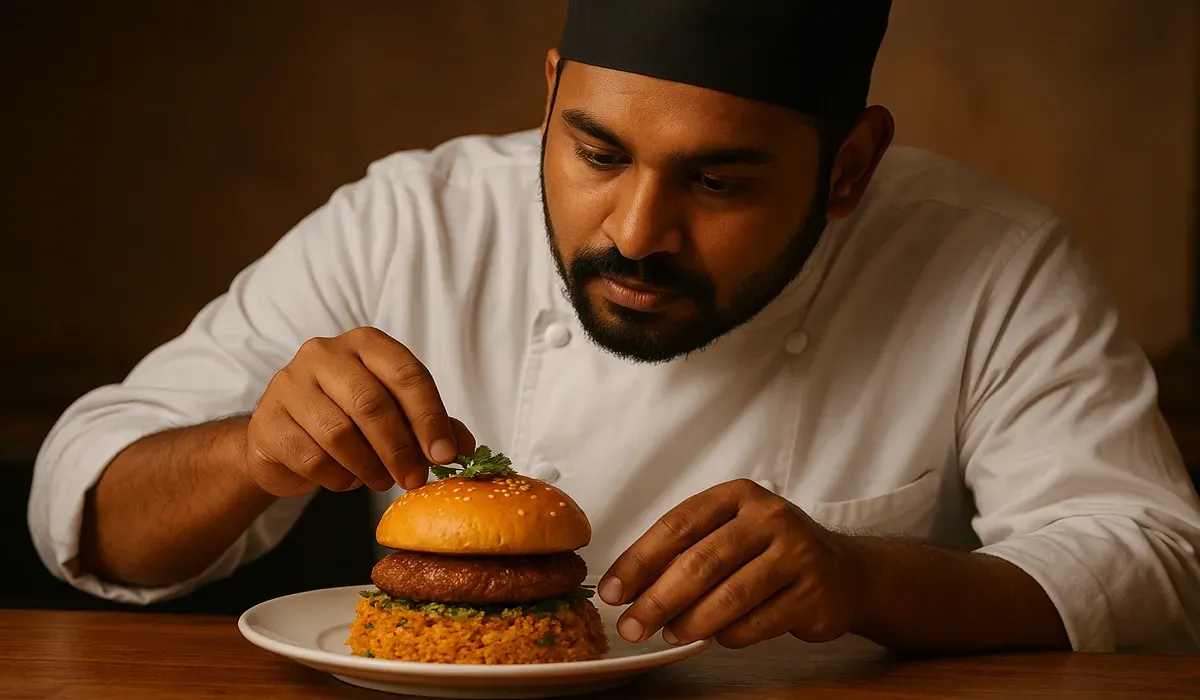
American comfort food has found an unexpectedly warm welcome in India’s bustling culinary scene. From cheesy mac-and-cheese bowls to smoky BBQ ribs, these hearty dishes have become more than a Western novelty — they reflect how global taste, nostalgia, and convenience converge in Indian lifestyles.
In India, where food is both emotional and social, the arrival of American comfort food has sparked a new kind of connection — one that balances indulgence with familiarity.
- American comfort food connects emotionally with Indian foodies through flavor familiarity and warmth.
- Fusion dishes like paneer burgers and spicy mac-and-cheese bridge cultural palates.
- Globalization and social media have accelerated this culinary exchange.
What Is American Comfort Food?
American comfort food refers to dishes that evoke nostalgia, warmth, and simplicity. These include burgers, fried chicken, mashed potatoes, mac and cheese, pancakes, and apple pie. The term “comfort” stems from the emotional satisfaction such food brings, often linked to childhood memories or home-cooked familiarity.
In the U.S., comfort food is more than just taste — it’s a reflection of cultural memory and regional heritage. Each state adds its local twist:
- South: Barbecue ribs, cornbread, fried chicken.
- North: Chowders, casseroles, meatloaf.
- West: Burgers, milkshakes, tacos.
For Indians, many of these flavors — creamy, spicy, smoky — feel instantly relatable.
Why It Matters
This food connection isn’t just about flavor — it’s cultural evolution. As India’s urban population embraces global experiences, American comfort food reflects aspiration, experimentation, and familiarity in one bite.
According to a 2025 Mintel survey, over 68% of urban Indian millennials prefer “global food with local flavor.” This explains why chains like Chili’s, Smoke House Deli, and Hard Rock Café thrive in metro markets.
Comfort food connects across cultures because it satisfies three universal cravings: warmth, taste, and belonging.
How American Comfort Food Connects with Indian Foodies
1. Shared Love for Flavor and Indulgence
Indian cuisine celebrates bold spices, layered textures, and emotional eating — so does American comfort food. From rich gravies to deep-fried snacks, both cultures believe that food should comfort both the stomach and the soul.
- Burger patties echo Indian aloo tikki.
- Mac and cheese mirrors creamy pasta makhani.
- BBQ sauces find their counterpart in smoky tandoori marinades.
2. Familiar Ingredients, New Forms
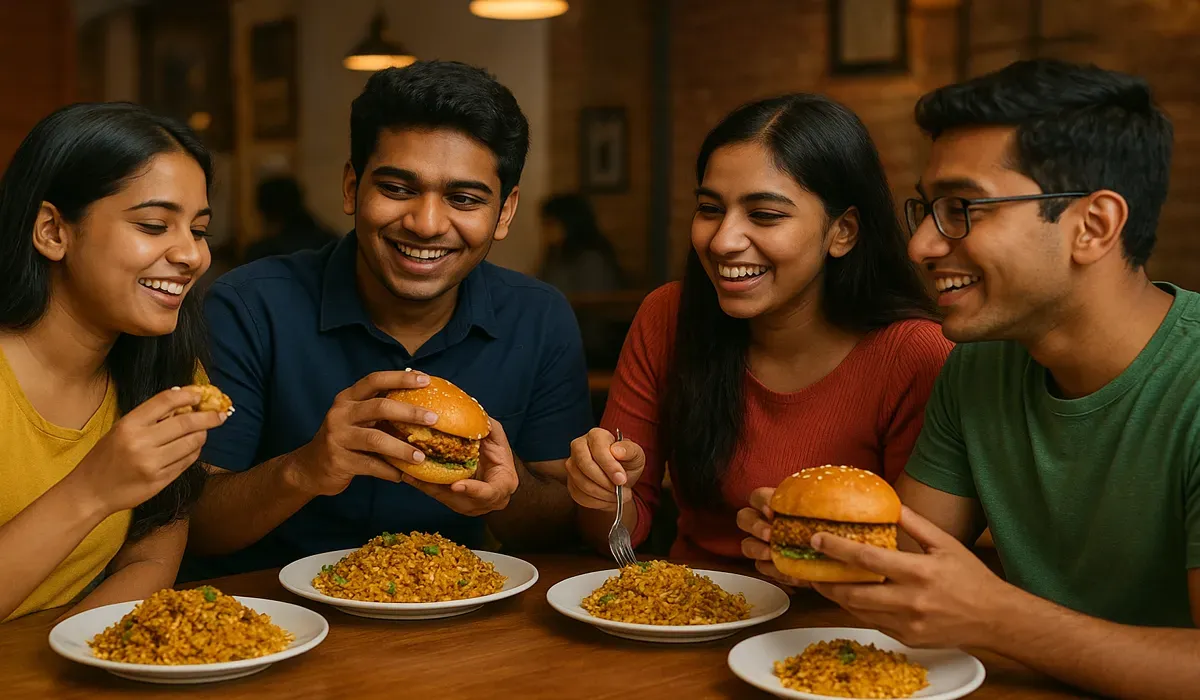
American dishes rely on butter, cheese, tomatoes, and bread — staples already loved in Indian homes. When local chefs experiment, the results are natural hits:
- Paneer cheeseburgers
- Spicy BBQ wings with Indian masala
- Samosa sliders with jalapeño dip
3. Influence of Global Lifestyles
Urban Indians now live fast-paced lives with work-from-café culture and weekend dining. The appeal of quick, hearty, and comforting food aligns perfectly with American diner-style menus.
Even small towns now host local adaptations — think “Desi Mac and Cheese” or “Masala Hot Dogs.”
What Makes This Fusion Work?
A. Emotional Resonance
Food evokes memories. For many Indian foodies, American comfort food feels cinematic — familiar from pop culture yet customizable to personal taste.
B. Adaptable Palate
Indians naturally adapt new cuisines by adding spice, herbs, or vegetarian alternatives. That adaptability keeps global dishes relevant.
C. Brand Influence
Global chains like McDonald’s and KFC didn’t just sell food — they taught Indians to embrace new textures, sauces, and serving styles. This paved the way for deeper fusion experimentation.
How to Experience American Comfort Food the Indian Way
- Try Local Fusion Cafés: Explore menus blending desi spices with Western classics.
- Cook at Home: Add Indian twists — garam masala to mac-and-cheese or chutney in sandwiches.
- Host “Cross-Cuisine Nights”: Combine burgers with biryani or BBQ with butter naan.
- Support Local Chefs: Many Indian chefs innovate fusion dishes worth discovering.
Common Myths About American Comfort Food in India
| Myth | Reality |
|---|---|
| It’s all junk food | Authentic comfort food is often home-cooked and wholesome |
| It doesn’t suit Indian taste buds | Fusion recipes prove otherwise |
| It’s too expensive | Local cafés and home recipes make it accessible |
| It’s culturally irrelevant | Food bridges rather than divides |
Expert Views and Case Studies
- Chef Ritu Dalmia notes that comfort food’s universality lies in its ability to “transcend borders through emotion, not ingredients.”
- NRAI (National Restaurant Association of India) data shows American-themed menus grew 40% in urban India between 2019–2025.
- Case Study: Café Social, Delhi — their “Tex-Mex Paneer Bowl” and “Cheesy BBQ Paratha Wrap” became viral on Instagram for fusing two worlds authentically.
FAQs
Q1. Why does American comfort food appeal to Indian foodies?
Because both cuisines celebrate warmth, indulgence, and emotional eating. Shared textures and adaptable spices make it familiar yet novel.
Q2. What are some popular American comfort foods in India?
Burgers, mac and cheese, fried chicken, BBQ ribs, pancakes, and milkshakes — often with desi fusion elements.
Q3. Is American comfort food healthy?
Moderation is key. Homemade or fusion versions with local ingredients balance taste and nutrition.
Q4. Can vegetarians enjoy American comfort food?
Yes. Indian chefs often replace meat with paneer, soy, or mushrooms while keeping the flavor intact.
Q5. Where can you find authentic American comfort food in India?
Urban cafés, fusion bistros, and delivery brands in metro cities like Delhi, Mumbai, and Bengaluru.
Key Takeaways
- American comfort food connects emotionally with Indian foodies through warmth and familiarity.
- Fusion dishes highlight shared values of indulgence and adaptability.
- Urban India’s evolving lifestyle encourages global comfort cuisines.
- Local chefs are redefining comfort food with Indian authenticity.
- The cultural bridge between America and India is being built, one flavorful plate at a time.
Conclusion
In essence, American comfort food resonates deeply with Indian foodies because it represents more than foreign taste — it’s shared emotion. It tells a story of two cultures blending through flavor, creativity, and nostalgia.
As India continues to globalize, this connection will only strengthen — transforming everyday meals into cross-cultural experiences.