Why Amaal Mallik Is Getting All the Attention in Bigg Boss 19: Abuse, Controversy, and Why TV Makers Are Taking Him Lightly
Discover why the Amaal Mallik Bigg Boss 19 controversy is drawing intense public attention, from shocking allegations to industry reactions. This concise breakdown reveals what TV makers are overlooking—and why it matters now.

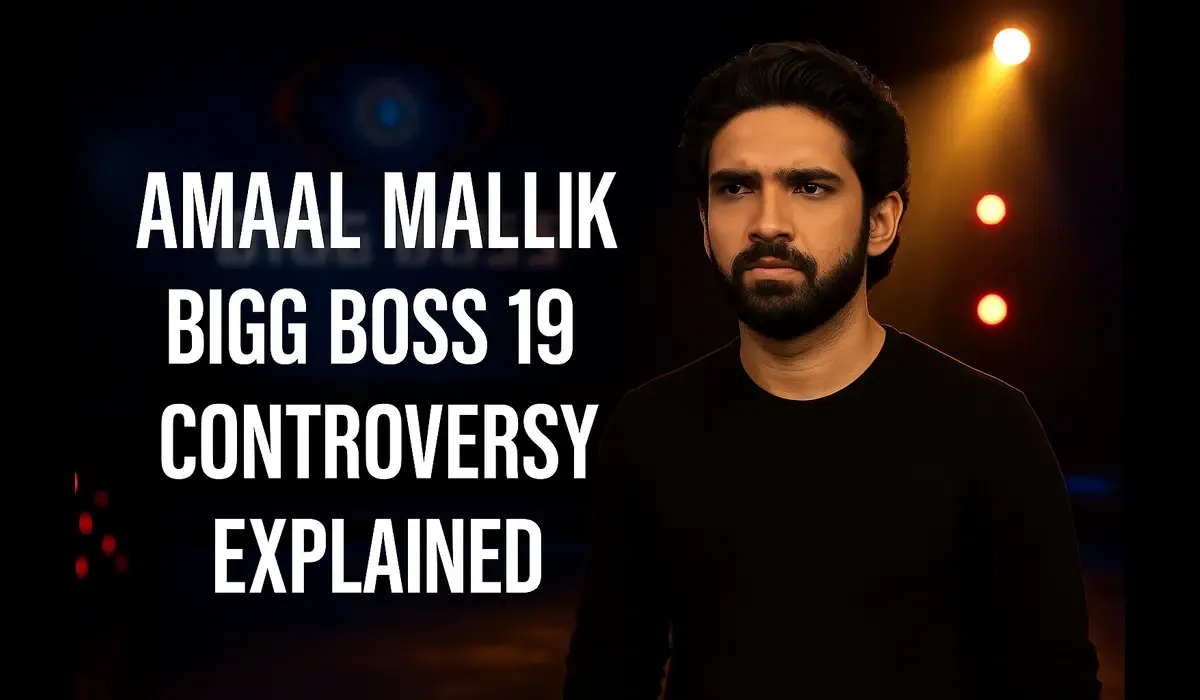
Every season of Bigg Boss delivers chaos, drama, and entertainment — but Bigg Boss 19 has crossed all previous limits.
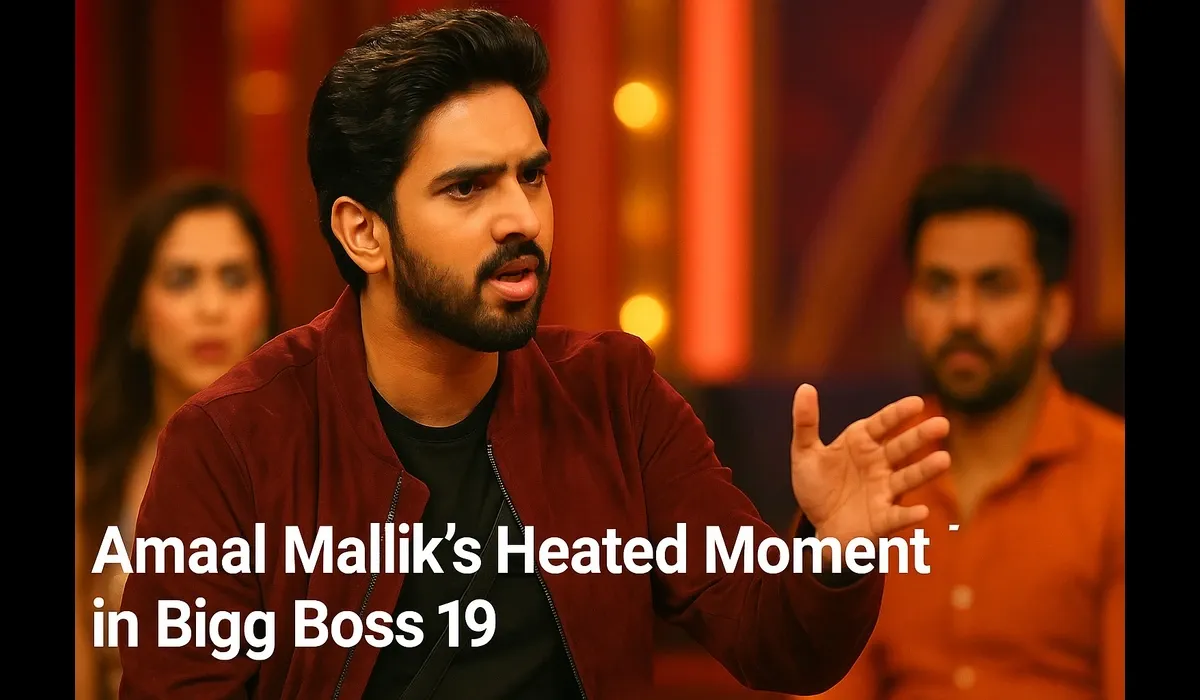
This year, the spotlight burns on Amaal Mallik, the Bollywood music composer who’s no longer known for melodies but for verbal abuse, aggressive behavior, and offensive remarks inside the house.
While fans and celebrities have condemned his conduct, one question looms: why are the show’s makers and host Salman Khan going soft on him?
This piece dissects the controversy, the reactions, the TRP economics, and the twisted psychology behind Amaal Mallik’s transformation into Bigg Boss 19’s most toxic yet profitable contestant.
Key Points / Highlights
- Amaal Mallik’s abuse and derogatory remarks have triggered massive public outrage.
- Gauahar Khan called his conduct “racist” and “disgusting,” demanding punishment.
- Salman Khan scolded him on Weekend Ka Vaar but stopped short of eviction.
- TRP economics drive this leniency — his outbursts fuel headlines and hashtags.
- Armaan Malik defended his brother, blaming biased editing.
- Industry reactions are divided — some celebrities distance themselves, others stay loyal.
- #BanAmaalMallik trended widely, ironically increasing Bigg Boss ratings.
- Every season needs a villain — this time, Amaal fits the role perfectly.
- His career now stands between redemption and ruin.
- The real problem: Indian reality TV thrives on monetizing outrage.

$500 PayPal Gift Card$500 PayPal Gift Card
Some users qualify for a $500 PayPal gift card. You can check if you qualify.
Latest Post
Who Is Amaal Mallik? From Music Maestro to Reality TV Villain
A Musical Pedigree
Amaal Mallik belongs to one of India’s most respected musical lineages:
- Grandson of composer Sardar Malik
- Son of Daboo Malik
- Brother of singer Armaan Malik
With chartbusters like Kaun Tujhe (MS Dhoni) and Bol Do Na Zara, Amaal’s reputation was once built on emotional, heartfelt compositions — a stark contrast to his explosive on-screen persona today.
The Outspoken Personality
Off-stage, Amaal earned attention for blunt opinions on nepotism and corruption in Bollywood.
But Bigg Boss 19 has stripped away the artist’s polish, revealing a volatile temperament that few expected.
The Amaal Mallik Controversy: What Happened in Bigg Boss 19?
Abusive Outbursts
Inside the house, Amaal Mallik reportedly:
- Used derogatory nicknames for fellow contestants.
- Made racially charged comments.
- Targeted women contestants with personal and misogynistic insults.
These incidents didn’t just shock audiences — they ignited a nationwide backlash.
Viral Social Media Storm
Clips of Amaal’s tirades spread like wildfire across Twitter/X, Instagram, and YouTube.
The hashtags #BanAmaalMallik and #BiggBoss19Rigged dominated trends, forcing the channel to address the growing outrage.
Gauahar Khan’s Outrage
Former Bigg Boss winner Gauahar Khan condemned his behavior outright, calling it “racist” and “disgusting.”
She warned the show against “selling abuse as entertainment.”
Salman Khan’s Response
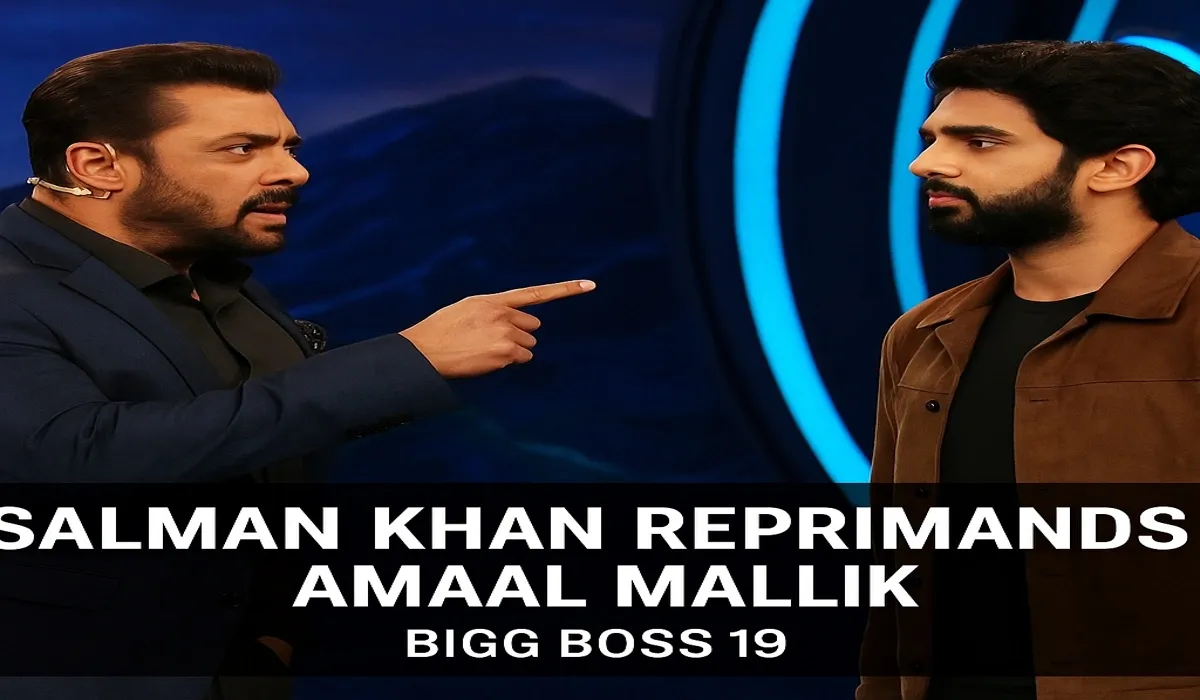
During Weekend Ka Vaar, Salman Khan confronted Amaal — but gently:
“I want you to come out of this house as a winner in life — not just as the winner of a trophy.”
The reprimand sounded more philosophical than disciplinary, leaving fans furious at the apparent double standards.
Why Are TV Makers Taking Amaal Mallik Lightly?
This leniency is not accidental — it’s calculated.
1. Drama Drives TRPs
In the ruthless world of reality television, conflict equals currency.
Amaal’s explosive temperament guarantees high engagement, viral reels, and continuous online chatter — exactly what TRP machines feed on.
2. Celebrity Immunity
Amaal isn’t just another contestant — he’s a Bollywood insider with a devoted fan base.
Producers tread carefully to avoid industry backlash or fan outrage that could hurt brand partnerships.
3. The Redemption Arc Strategy
Reality TV thrives on the villain-to-hero transformation.
Producers might be crafting Amaal’s “redemption journey” — let him fall hard now, then stage a soft, emotional comeback later.
4. Editing and Narrative Control
As Armaan Malik pointed out, selective editing can manipulate public perception.
By airing only Amaal’s worst moments, the show keeps him relevant and central — the perfect scapegoat for TRP drama.
Celebrity and Industry Reactions
Gauahar Khan: The Sharp Critic
Unfiltered as always, Gauahar denounced Amaal’s comments, insisting that racism and abuse can never be justified in the name of entertainment.
Armaan Malik: The Loyal Brother
Armaan stood by his brother, accusing Bigg Boss of manufacturing drama through selective editing.
Awez Darbar: The Dissenter
Influencer and ex-contestant Awez Darbar cut ties publicly, declaring that he won’t collaborate with Amaal again due to “toxic behavior.”
Salman Khan: The Diplomat
Salman continues to walk a tightrope — harsh enough to appease critics, lenient enough to retain the man driving the ratings.
Social Media: Amplifying the Fire
Twitter/X Trends
Outrage spilled online as hashtags like #BanAmaalMallik, #JusticeForContestants, and #BiggBoss19Rigged dominated timelines.
Instagram Reels & Memes
Creators turned Amaal’s arrogance into viral humor — ironic, considering the same mockery fueled his popularity.
YouTube Commentary
Commentators dissected his every word, frame by frame, transforming his downfall into an algorithmic goldmine.
The Psychology of Reality TV Villains
Why Villains Are Necessary
Every Bigg Boss needs a villain.
The antagonist sustains drama, tension, and retention — the ingredients of prime-time success.
This season, Amaal Mallik is the villain audiences love to hate.
Audience Hypocrisy
Viewers claim moral outrage but repeatedly watch and share the same clips they condemn — feeding the cycle of infamy.
The Redemption Fantasy
The audience’s subconscious fascination lies in transformation — watching someone fall, then rise again, offers catharsis.
Producers exploit that perfectly.
TRP Economics: Why Controversy Pays
The moral compass of television doesn’t point north — it points to ratings.
- Outrage becomes viewership.
- Scandal becomes engagement.
- Villains become brand assets.
Amaal Mallik’s presence might be morally indefensible — but financially, he’s the season’s jackpot.
What This Means for Amaal Mallik’s Career
Best Case: Redemption Arc
He apologizes, reforms, and reemerges as a “changed man.”
Bollywood loves a comeback.
Worst Case: Reputation Collapse
If arrogance continues, fans and brands will walk away — a steep fall from artistic grace.
Most Likely: Controversy as Currency
In Indian entertainment, outrage rarely ends careers. It amplifies visibility.
Amaal might exit the house infamous — but far from forgotten.

$750 Cash App Gift Card$750 Cash App Gift Card
Not everyone qualifies for this $750 Cash App gift card. Checking only takes a moment. You can check if you’re eligible.
FAQ
Q1: Why is Amaal Mallik controversial in Bigg Boss 19?
He used abusive, racist, and demeaning remarks inside the house.
Q2: Has Salman Khan punished Amaal Mallik?
No. Despite backlash, Salman only reprimanded him verbally.
Q3: What did Gauahar Khan say?
She labeled his behavior “racist” and “disgusting,” calling for strict action.
Q4: Why is Amaal Mallik still on the show?
Because his controversy fuels TRPs and social media buzz.
Q5: What did Armaan Malik say?
He defended Amaal, blaming unfair editing by the show’s producers.
Conclusion: The Amaal Mallik Paradox
Amaal Mallik’s journey in Bigg Boss 19 is not just a scandal — it’s a reflection of how Indian reality television rewards outrage.
- Abusers get scolded, not evicted.
- Outrage trends boost profits.
- Villains dominate the spotlight.
Until viewers stop rewarding toxicity with attention, reality TV will keep producing more Amaal Malliks — controversial, chaotic, and perfectly marketable.