5 Powerful Truths About How Air Pollution Is Slowly Killing Humans Particle by Particle — and How We Can Fight Back
Discover powerful truths about how air pollution is killing humans particle by particle—and what we can do to fight back. This concise, research-driven guide breaks down hidden dangers, long-term impacts, and actionable steps for protection.

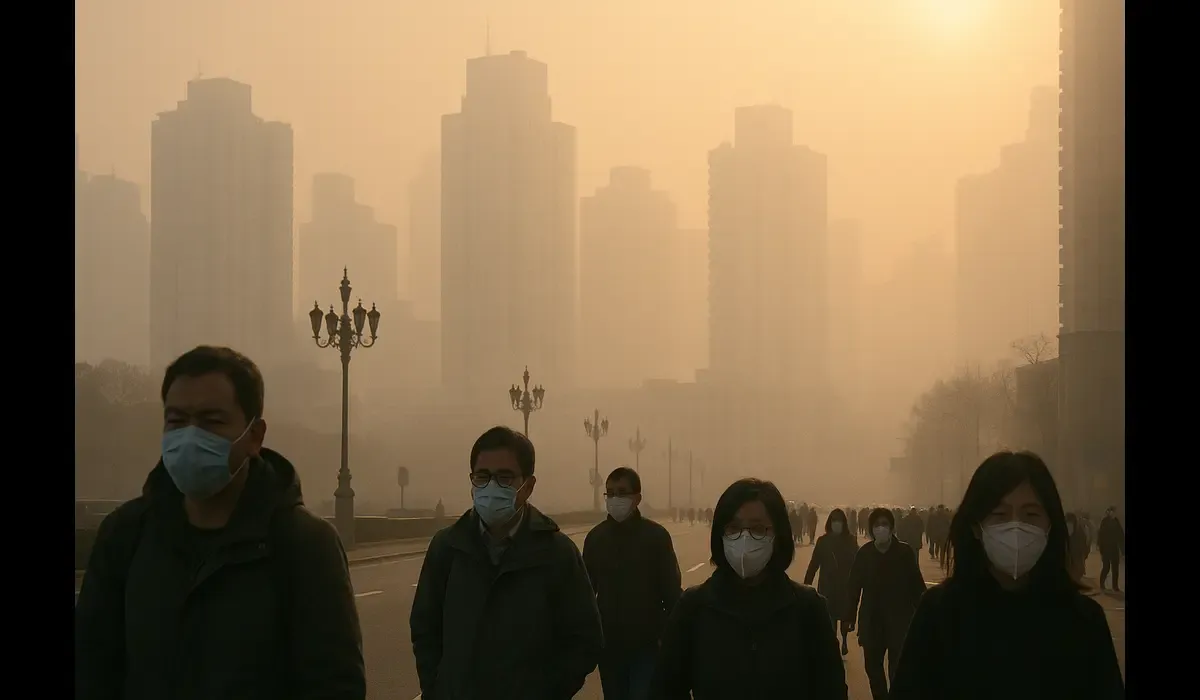
The reality of how air pollution is slowly killing humans particle by particle is more alarming than most realize. Every breath we take in polluted air carries millions of microscopic particles that silently damage our lungs, heart, and brain.
- PM2.5 particles enter deep into the lungs and bloodstream.
- Continuous exposure leads to chronic diseases and premature death.
- Pollution-related deaths now exceed 8 million globally each year.
Quick Context
How air pollution is slowly killing humans particle by particle refers to the slow, cumulative destruction caused by microscopic airborne pollutants. Air pollution consists of a toxic mixture of gases, particulate matter, dust, and chemicals that degrade air quality and human health.
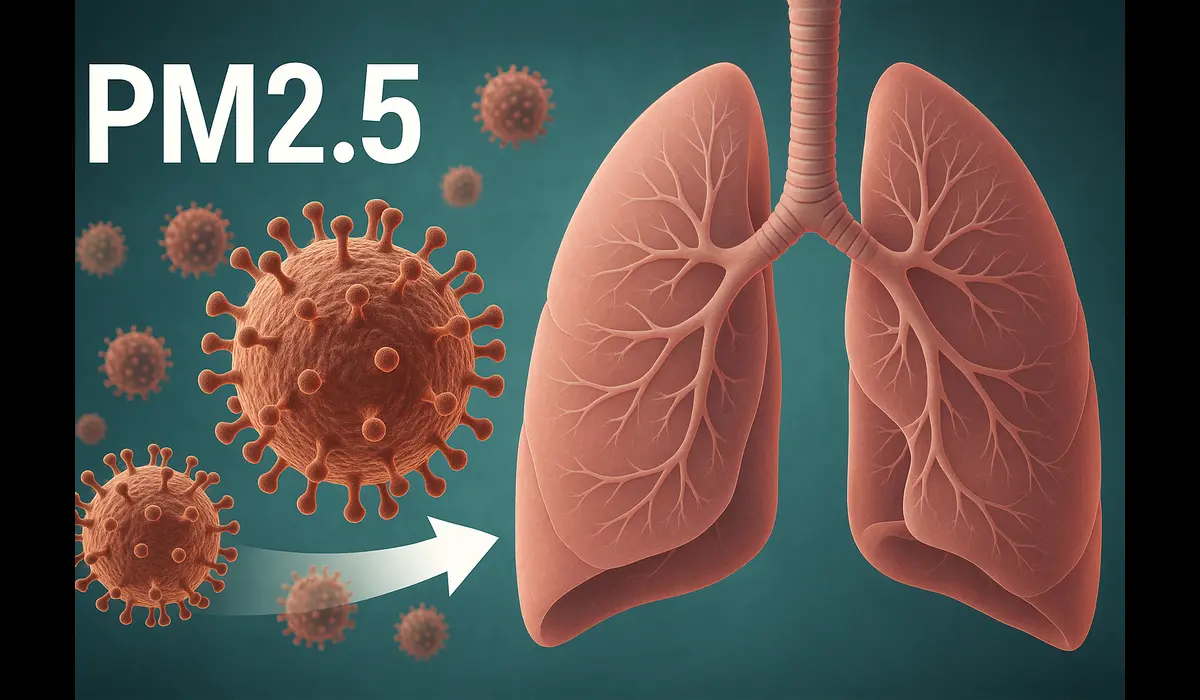
The most dangerous elements are particulate matter (PM2.5 and PM10)—fine particles smaller than 2.5 microns that can penetrate deep into lung tissue and enter the bloodstream, damaging vital organs over time.

$500 PayPal Gift Card$500 PayPal Gift Card
Some users qualify for a $500 PayPal gift card. You can check if you qualify.
Latest Post
The Science Behind Particle-by-Particle Damage
Every breath of polluted air introduces thousands of toxic particles into the respiratory system.
1. Penetration and Circulation
PM2.5 particles are small enough to bypass the body’s natural filters. Once inhaled, they reach the alveoli—tiny sacs in the lungs responsible for oxygen exchange. From there, these particles enter the bloodstream and travel throughout the body.
2. Inflammation and Oxidative Stress
Once inside, these particles trigger inflammation and oxidative stress, damaging cells and tissues. This leads to chronic conditions such as asthma, heart disease, stroke, and lung cancer.
3. Long-Term Organ Impact
Over months and years, toxic particles accumulate in the body. They narrow arteries, impair brain function, and reduce lung capacity. This slow damage explains how air pollution is slowly killing humans particle by particle, silently and progressively.
Health Consequences of Chronic Exposure
Respiratory Disorders
Prolonged exposure increases cases of asthma, bronchitis, and chronic obstructive pulmonary disease (COPD). Children and elderly individuals face the highest risk due to weaker immune systems.
Cardiovascular Disease
Polluted air thickens blood, elevates blood pressure, and accelerates arterial blockage. The result is a higher risk of heart attacks and strokes even in non-smokers.
Cancer and Neurological Disorders
Certain air pollutants contain carcinogenic compounds that raise the risk of lung and throat cancers. Emerging studies also link PM2.5 exposure to cognitive decline and Alzheimer’s disease.
Reduced Life Expectancy
Global estimates show that exposure to polluted air can shorten life expectancy by up to 2–3 years, depending on the severity of pollution in an individual’s environment.
Why This Crisis Demands Attention
The phrase “how air pollution is slowly killing humans particle by particle” highlights a silent emergency. Unlike natural disasters, this crisis grows invisibly, yet its toll is far greater.
- Economic Impact: Increased medical costs, reduced labor productivity, and absenteeism due to respiratory illnesses.
- Social Burden: Rising disease rates overwhelm public health systems.
- Environmental Loop: Pollutants that harm humans also degrade ecosystems, affecting food and water quality.
Cities like Delhi, Beijing, and Los Angeles face annual air quality crises that directly affect millions of residents, showing that no region is immune from the global pollution epidemic.
Evidence From Medical Studies
Scientific and public health research consistently confirms the deadly connection between polluted air and human mortality:
- Fine particulate matter (PM2.5) penetrates cell membranes and triggers DNA damage.
- Long-term exposure contributes to around 1 in 9 deaths globally.
- Infants and elderly individuals show higher mortality during smog events.
Such findings validate the claim that air pollution is literally killing humans particle by particle—through an accumulation of microscopic assaults invisible to the naked eye.
How Individuals Can Protect Themselves
While large-scale solutions require policy action, individuals can take practical steps to reduce personal exposure and risk:
1. Monitor Air Quality Daily
Use reliable AQI apps to plan outdoor activities. Avoid intense exercise outdoors when air quality levels exceed safe limits.
2. Improve Indoor Air Quality
Use air purifiers and keep windows closed on high-pollution days. Indoor air can be up to five times more polluted without proper ventilation.
3. Wear Certified Masks
N95 or KN95 masks can filter out most fine particles and are essential during peak smog seasons.
4. Plant More Greens
Houseplants like snake plants and peace lilies absorb pollutants and improve indoor oxygen levels.
5. Advocate for Change
Support policies promoting clean energy, electric vehicles, and stricter emission standards. Personal change matters—but systemic reform saves lives.

$750 Amazon Gift Card $750 Amazon Gift Card
Some users qualify for a $750 Amazon gift card. You can check if you qualify.
FAQs
Q1: What makes fine particulate matter so dangerous?
Its microscopic size allows it to penetrate deep into the lungs and bloodstream, causing cellular and cardiovascular damage.
Q2: How quickly does air pollution affect health?
Some effects, like eye irritation or coughing, are immediate, but the real danger lies in long-term exposure that leads to chronic illnesses.
Q3: Can children recover from early exposure?
Children can recover partially with reduced exposure and improved nutrition, but prolonged contact often causes lasting lung development issues.
Q4: Is there any safe level of air pollution?
No. Even low concentrations of PM2.5 can cause harm over time, proving that consistent clean air is essential for health.
Key Takeaways
- How air pollution is slowly killing humans particle by particle reflects the invisible, long-term health crisis affecting millions.
- PM2.5 and PM10 are the main culprits behind respiratory, heart, and neurological diseases.
- Every breath in polluted air adds microscopic damage that compounds over time.
- Prevention, awareness, and policy action are the only sustainable defenses against this global health emergency.
Conclusion
The evidence is overwhelming — how air pollution is slowly killing humans particle by particle is not hyperbole but a scientific truth. Each inhaled particle chips away at human health, shortening lifespans and worsening quality of life. The silent killer in the air doesn’t strike at once but erodes life over decades. Recognizing this danger and acting on it now is no longer optional — it’s a matter of survival.