10 Bold Facts About Air India Fleet Future That Prove Its Rise — and the Challenges Ahead

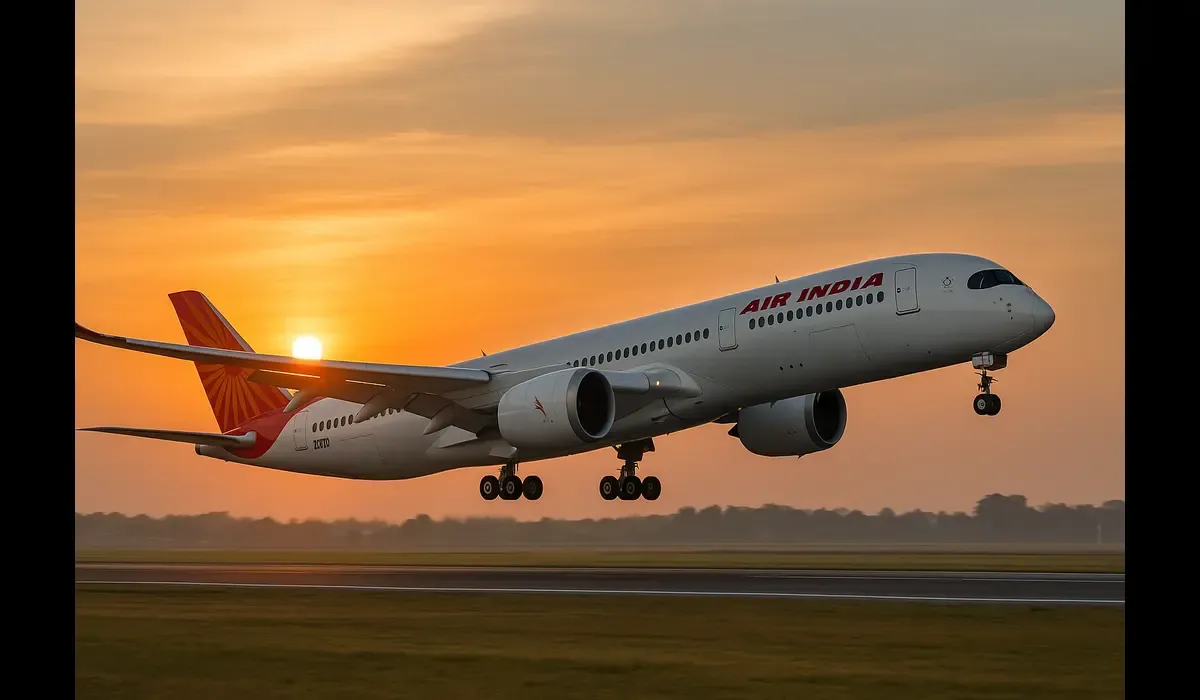
The Air India fleet future is unfolding faster than ever, signaling a bold transformation for one of the world’s most historic airlines. Under Tata Group’s ownership, Air India is rewriting its story — from a struggling national carrier to a global aviation force powered by state-of-the-art aircraft like the Boeing 787 Dreamliner and Airbus A350.
This isn’t just a fleet expansion — it’s a modernization campaign that reflects India’s rising presence in global skies. From passenger comfort and fuel efficiency to sustainability and long-haul strategy, Air India’s fleet evolution marks the beginning of a new era.
- Air India’s $70 billion fleet modernization plan includes 470 new aircraft.
- The mix of Boeing Dreamliners and Airbus A350s targets efficiency and luxury.
- The airline aims to rival global leaders like Emirates, Qatar Airways, and Singapore Airlines by 2030.
What Is the Air India Fleet Transformation?
The Air India fleet future is built on one of the largest commercial aircraft orders in aviation history. In 2023, Air India confirmed an order for 470 aircraft — 250 from Airbus and 220 from Boeing.
This order includes:
- 40 Airbus A350s (20 A350-900s and 20 A350-1000s)
- 210 Airbus A320neo family jets
- 190 Boeing 737 MAX aircraft
- 20 Boeing 787 Dreamliners (Boeing 787-9)
- 10 Boeing 777X jets
A Historical Context
For decades, Air India was synonymous with India’s global aspirations. However, inefficiency, financial strain, and an aging fleet led to decline. Tata Group’s 2022 takeover reversed that narrative, infusing global expertise, corporate discipline, and capital investment.
This fleet renewal, spanning 2025–2030, isn’t merely an upgrade — it’s a complete reinvention of Air India’s operational DNA.
Why the Air India Fleet Future Matters
1. National Pride and Global Competitiveness
Air India’s revival is as symbolic as it is strategic. The airline represents India’s national identity — and a modern, globally competitive fleet reinforces the nation’s soft power.
2. Passenger Experience and Luxury Standards
The inclusion of Airbus A350s and new Boeing 787 Dreamliners marks a dramatic leap in passenger experience — quieter cabins, higher humidity, improved air pressure, and new luxury seating configurations.
3. Environmental Sustainability
Next-generation aircraft like the A350 and 787 use 20–25% less fuel and produce fewer emissions. With aviation under pressure to decarbonize, Air India’s new fleet supports its sustainability roadmap.
4. Economic and Industry Ripple Effects
A modern fleet benefits not only passengers but also suppliers, maintenance networks, and India’s growing aviation employment ecosystem.
How Does the Air India Fleet Future Take Shape?
How Does Air India Balance Boeing and Airbus in Its Strategy?
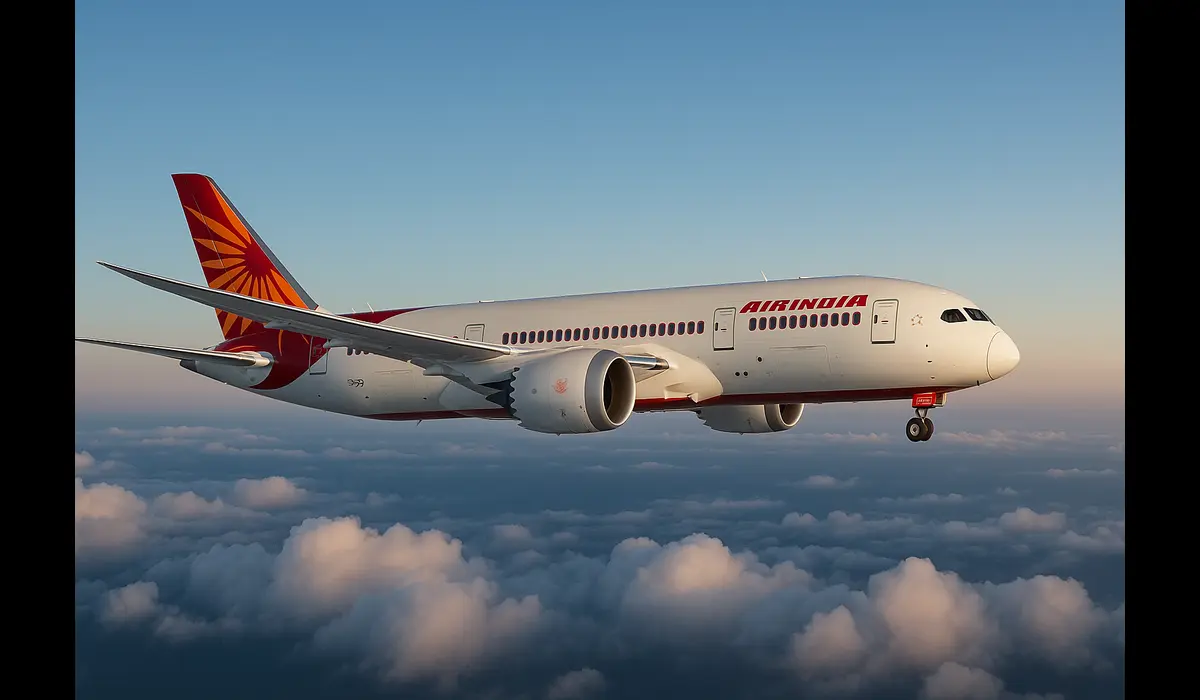
Air India’s dual-manufacturer strategy ensures supply stability, flexibility, and global compatibility.
Boeing’s Role
- Dreamliners (Boeing 787-9): Designed for long-haul routes such as Delhi–San Francisco and Mumbai–New York.
- Boeing 777X (10 units ordered): Will anchor ultra-long-haul operations with enhanced capacity.
- 737 MAX: Supports Air India Express and short-haul regional routes.
Airbus’s Role
- A350-900 and A350-1000: Flagship wide-body jets for premium global travel.
- A320neo & A321neo: Backbone of domestic and regional operations.
This balanced mix allows Air India to compete across multiple segments — from low-cost domestic to full-service intercontinental.
H2: How Does Fleet Modernization Improve Efficiency?
1. Fuel Savings
The A350 and 787 are built with lightweight composites, reducing fuel burn by up to 25% per flight.
2. Maintenance Reduction
Advanced avionics and modular components cut maintenance costs, improving on-time performance and reliability.
3. Pilot Training Synergy
Common cockpit design among Airbus and Boeing families simplifies pilot training and transition.
What Makes the Airbus A350 the Star of Air India’s Future?
The Airbus A350 represents a shift toward premium efficiency.
Cabin Design and Comfort
- Wider fuselage for 3-3-3 economy and 1-2-1 business layouts.
- LED lighting mimicking natural sunlight to reduce jet lag.
- Improved humidity control for passenger wellness.
Operational Edge
- Range: 15,000 km (ideal for nonstop Europe–USA–Australia sectors).
- Carbon fiber construction for durability and fuel savings.
Brand Positioning
Air India’s A350s, with their redesigned livery and luxurious interiors, are key to rebranding — targeting affluent travelers and frequent flyers accustomed to Gulf and East Asian carriers.
Step-by-Step: How Air India’s Fleet Expansion Will Roll Out
Step 1: Induction of A350-900s (Starting 2025)
Step 2: Addition of Dreamliners and A320neo for regional strengthening (2025–2027)
Step 3: Integration of A350-1000 and Boeing 777X (2028–2030)
Step 4: Retrofitting existing Boeing 777s and older Dreamliners with new cabins
Step 5: Phasing out older Airbus A319s and A320ceos
Challenges and Myths About Air India’s Fleet Modernization
Myth 1: “Air India doesn’t have enough pilots for its new fleet.”
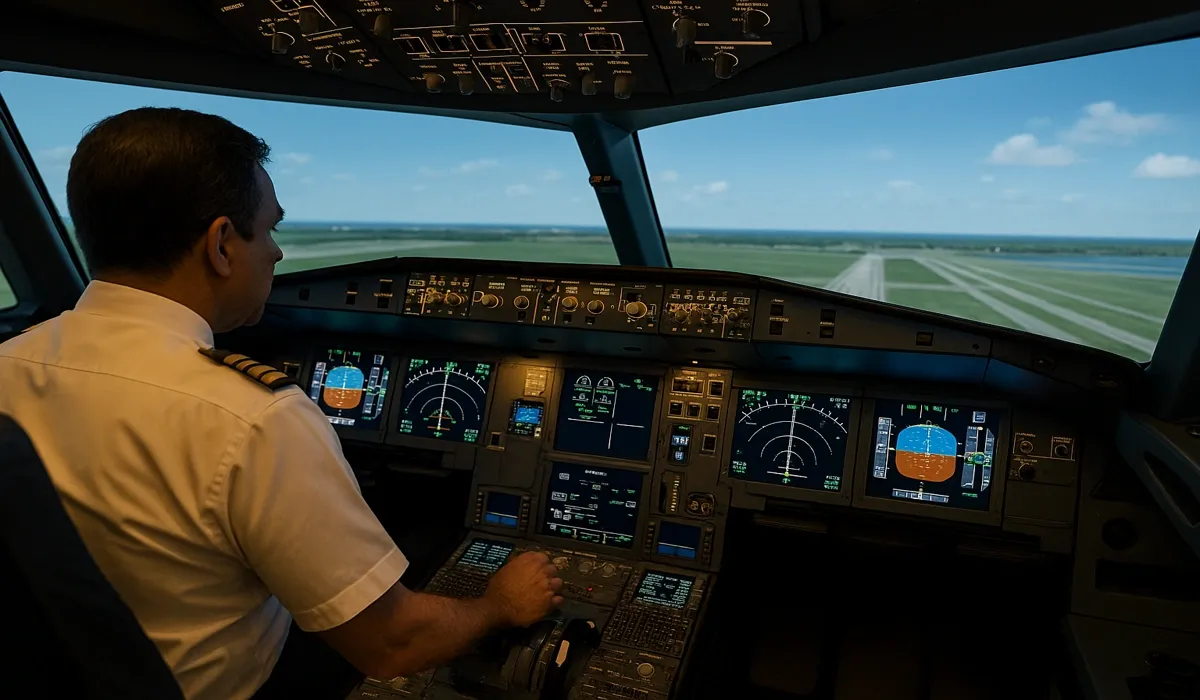
Reality: The airline has invested in pilot training partnerships and simulator centers to prepare over 1,500 new pilots by 2026.
Myth 2: “Fleet expansion means overcapacity.”
Reality: Air travel demand in India is projected to grow 8–9% annually. Fleet expansion ensures readiness for domestic and global demand.
Myth 3: “Air India’s maintenance ecosystem can’t handle advanced aircraft.”
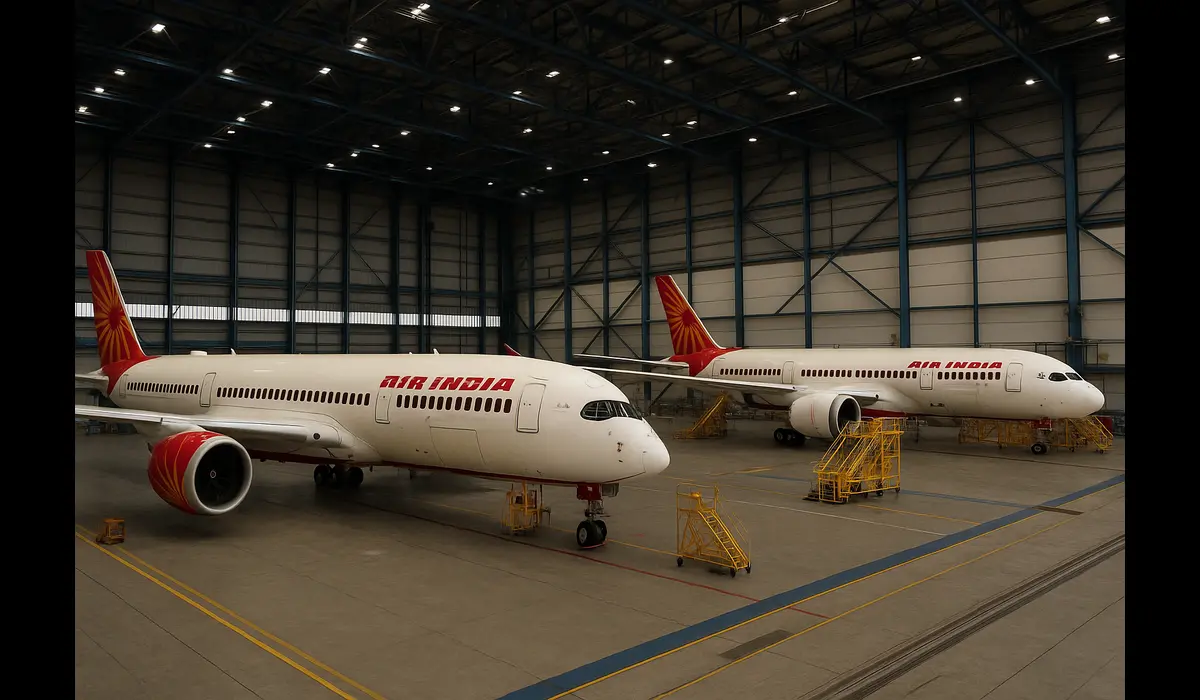
Reality: New maintenance hubs in Nagpur and Hyderabad are being established to service A350s and 787s locally.
Case Studies and Expert Insights
Case Study 1: Air India vs Emirates
Emirates operates a massive A380 and 777 fleet focused on hub connectivity. Air India’s A350 strategy focuses on point-to-point direct routes, such as Delhi–Toronto or Mumbai–Melbourne — reducing layovers and capturing premium traffic.
Case Study 2: Air India’s Role in Tata Aviation Ecosystem
With Vistara merging into Air India, and Air India Express integrating with AirAsia India, Tata is unifying its airline portfolio. This synergy allows shared maintenance, training, and route planning.
Expert Insight
According to aviation analysts, Air India’s success will depend on operational discipline and consistent service delivery. Modern planes alone don’t define a world-class airline — consistency does.
Future Trends and Predictions
- A350 as Flagship Fleet Backbone
Expect over 40 A350s operating on Europe, US, and Australia routes by 2030. - Hydrogen and Sustainable Fuel Integration
Air India is collaborating with global SAF suppliers to use up to 10% SAF blends by 2028. - Cabin Personalization Technology
Smart cabin systems will adapt lighting, entertainment, and food based on passenger profiles. - Route Expansion Strategy
Nonstop services to Chicago, Tokyo, and Melbourne are on Air India’s radar post-2026.
FAQs
Q1: What is the focus of Air India’s fleet future?
Air India’s fleet future centers on modern, fuel-efficient aircraft like Boeing Dreamliners and Airbus A350s to expand long-haul global reach.
Q2: Why is Air India investing in both Airbus and Boeing?
To maintain fleet balance, operational flexibility, and supplier security while targeting diverse route demands.
Q3: When will Air India’s A350s enter service?
Deliveries start in late 2025, with full operational deployment by 2027.
Q4: How will passengers benefit from the new fleet?
Improved comfort, noise reduction, advanced in-flight entertainment, and shorter routes.
Q5: Does the new fleet align with sustainability goals?
Yes — next-gen engines and sustainable fuel integration reduce emissions by up to 25%.
Key Takeaways
- The Air India fleet future represents one of the largest modernizations in global aviation.
- A balanced fleet of Boeing Dreamliners and Airbus A350s positions Air India as a true international contender.
- Modern aircraft bring fuel savings, lower maintenance, and higher comfort.
- Strategic rollout between 2025–2030 ensures steady growth and training alignment.
- Air India’s long-term vision aligns with India’s growing demand and sustainability goals.
Conclusion
The Air India fleet future is not just about adding new aircraft — it’s about rewriting a legacy. From the elegant Dreamliners to the powerful Airbus A350s, Air India’s transformation under Tata Group symbolizes a national revival in the skies.