9 Days of Navratri: 9 Goddesses, 9 Divine Blessings
Discover how the **9 Days of Navratri** connect each goddess with a unique blessing, offering a practical guide to their meanings, rituals, and spiritual benefits for devotees seeking clarity, protection, and renewed energy.

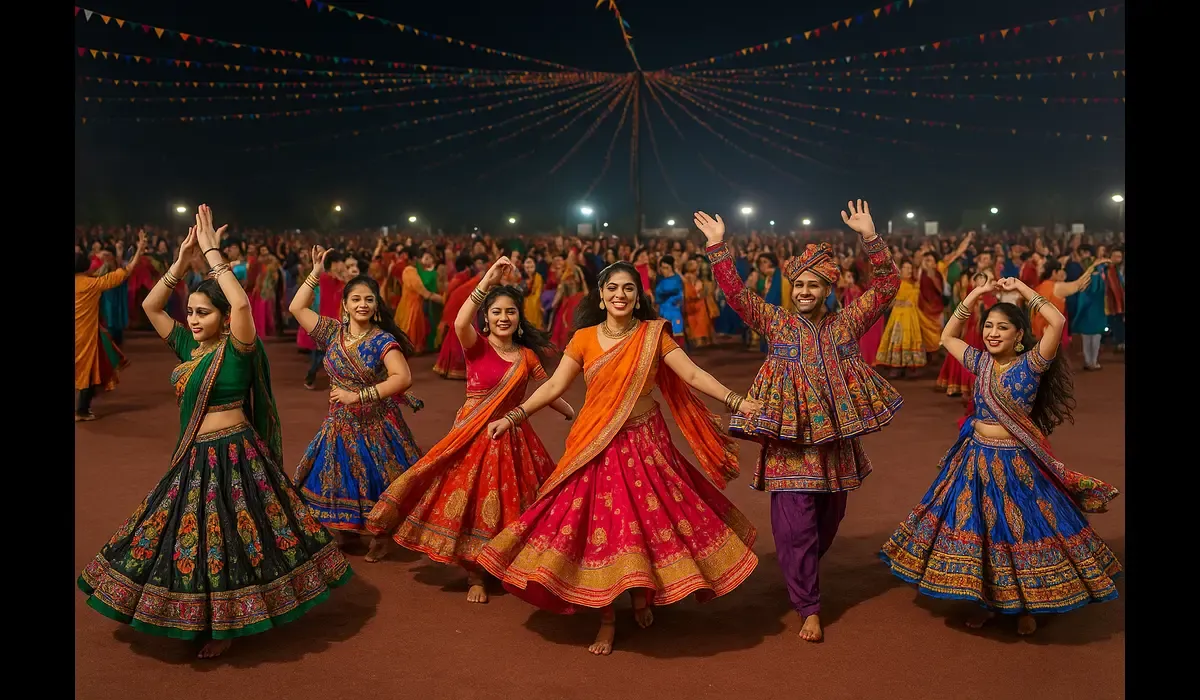
The 9 days of Navratri are among the most sacred periods in Hindu tradition, dedicated to the worship of Goddess Durga and her nine forms. Each day has a special goddess, colour, and ritual associated with it, symbolizing the victory of good over evil.
Key Takeaways:
- Navratri is celebrated for nine nights honoring Goddess Durga’s forms.
- Each day has a unique goddess, ritual, and colour.
- The 9 days inspire devotion, fasting, and spiritual discipline.
What Are the 9 Days of Navratri?
The 9 days of Navratri represent the worship of the Navadurga — the nine forms of Goddess Durga. The festival combines devotion, fasting, music, dance, and cultural celebration.
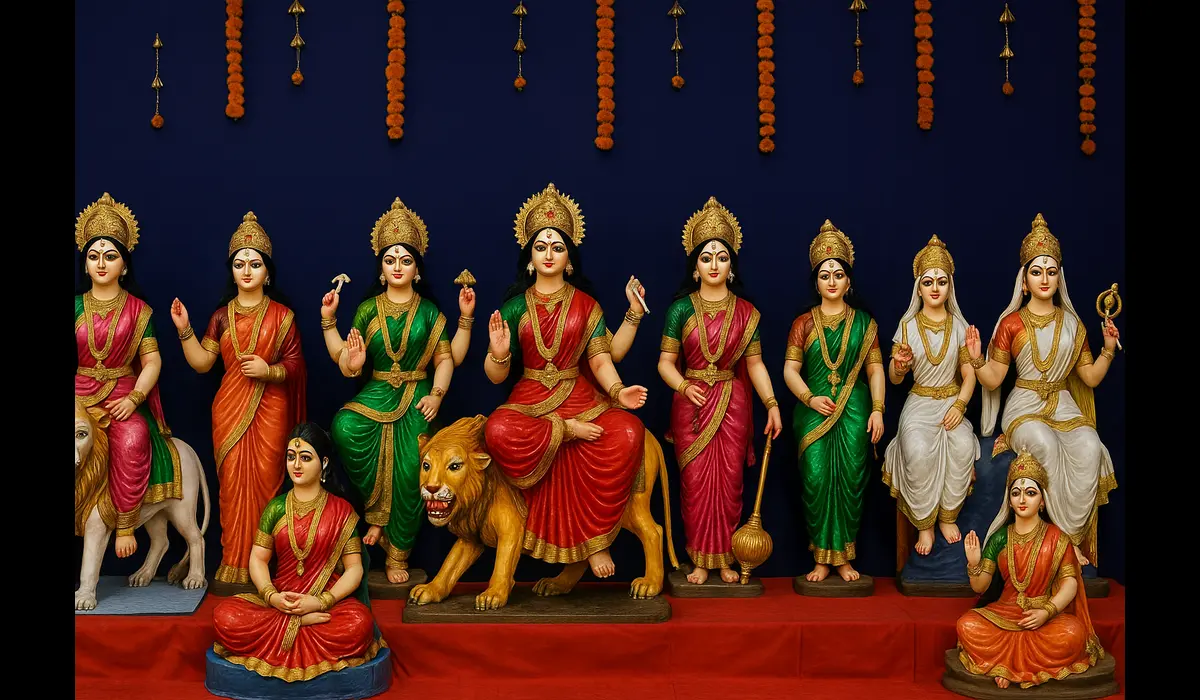
Day 1: Maa Shailputri
- Colour: Yellow
- Significance: Maa Shailputri, daughter of the Himalayas, symbolizes strength and purity.
- Rituals: Devotees perform Ghatasthapana and light the sacred lamp to begin Navratri.
Day 2: Maa Brahmacharini
- Colour: Green
- Significance: Embodies devotion, wisdom, and penance.
- Rituals: Devotees offer flowers, sugar, and prayers to seek blessings of perseverance.
Day 3: Maa Chandraghanta
- Colour: Grey
- Significance: Symbol of bravery, serenity, and courage.
- Rituals: Worshippers seek relief from fears and obstacles.
Day 4: Maa Kushmanda
- Colour: Orange
- Significance: Believed to have created the universe with her smile.
- Rituals: Pumpkin (Kushmanda) offerings are made to gain strength and prosperity.
Day 5: Maa Skandamata
- Colour: White
- Significance: Mother of Lord Kartikeya (Skanda). Represents motherly love and power.
- Rituals: Devotees worship her with bananas and perform aarti.
Day 6: Maa Katyayani
- Colour: Red
- Significance: The warrior goddess who destroys evil.
- Rituals: Married women pray for marital bliss; unmarried girls for good life partners.
Day 7: Maa Kalaratri
- Colour: Royal Blue
- Significance: Fierce form of Durga who removes negativity.
- Rituals: Devotees perform night-long jagrans and chant mantras.
Day 8: Maa Mahagauri
- Colour: Pink
- Significance: Symbolizes peace, purity, and calmness.
- Rituals: Devotees perform Kanya Pujan to worship young girls as divine.
Day 9: Maa Siddhidatri
- Colour: Purple
- Significance: Grants wisdom, spiritual power, and blessings.
- Rituals: On Mahanavami, devotees perform havan and final puja.
Why the 9 Days of Navratri Matter
- Spiritual Growth: Each day removes negativity and inspires positivity.
- Discipline: Fasting teaches self-control and mindfulness.
- Cultural Unity: Regional celebrations like Garba, Durga Puja, and Ramlila add diversity.
Comparisons Across India
| Region | Celebration | Highlight |
|---|---|---|
| Gujarat | Garba & Dandiya | Colorful dances |
| West Bengal | Durga Puja | Idol immersion |
| South India | Golu (doll displays) | Artistic spirituality |
| North India | Ramlila | Victory of Rama over Ravana |
Practical Takeaways
- Follow Colours: Wear daily colours for spiritual harmony.
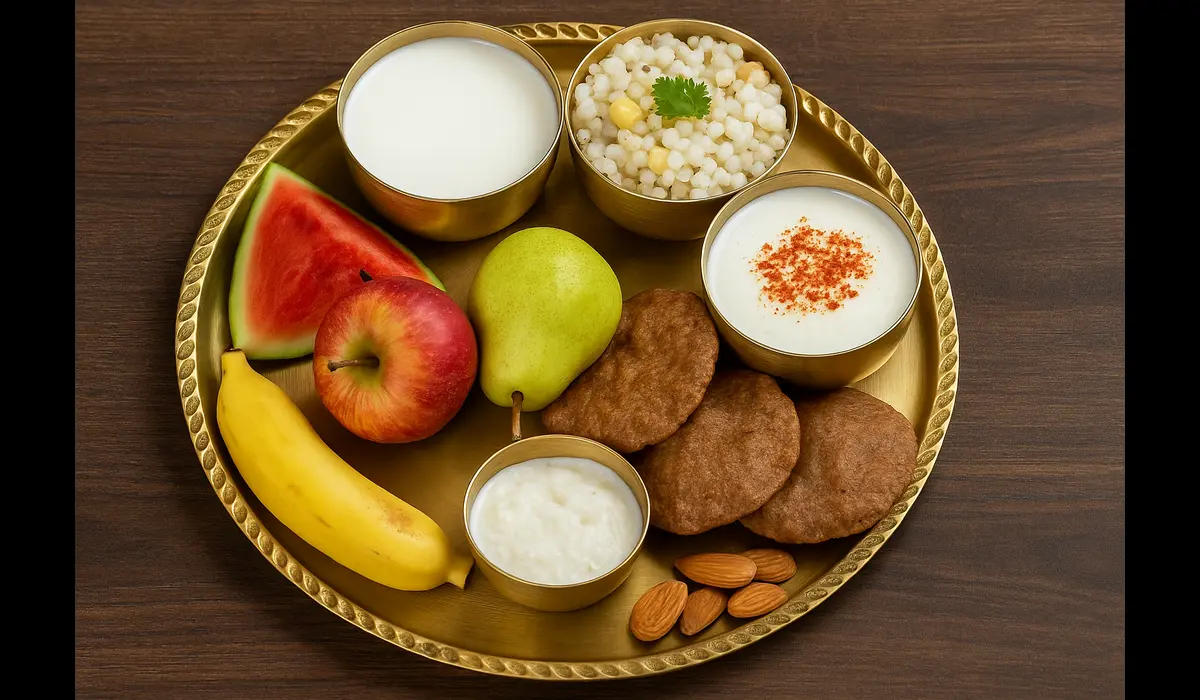
- Observe Fasting: Include fruits, milk, and vrat recipes.
- Join Celebrations: Attend Garba, Durga Puja, or Ramlila.
- Daily Puja: Chant mantras and read Durga Saptashati.
FAQs
Q1: What are the 9 days of Navratri?
A: They are nine days dedicated to nine forms of Goddess Durga, each with a goddess, ritual, and colour.
Q2: Why does each day have a colour?
A: Colours represent the attributes of each goddess and bring positivity.
Q3: What food is eaten during Navratri fasting?
A: Fruits, sabudana, kuttu, singhada flour, and milk.
Q4: Which goddess is worshipped on the last day?
A: Maa Siddhidatri on the 9th day, granting wisdom and blessings.
Key Takeaways
- The 9 days of Navratri honor nine forms of Goddess Durga.
- Each day has a specific goddess, colour, and ritual.
- Fasting, dancing, and puja mark the celebrations.
- The festival blends spiritual devotion with cultural joy.
Conclusion
The 9 days of Navratri are more than a festival—they are a journey of devotion, discipline, and celebration. Each day reminds devotees of the divine feminine energy and the eternal truth that good always triumphs over evil.